

The Secretary-General of the Council of State is taking additional time to review four draft bills aimed at abolishing the 'sin tax' allocations before returning them to the Prime Minister. He stressed adherence to financial discipline principles and noted that the final decision to approve rests at the Prime Minister's discretion.
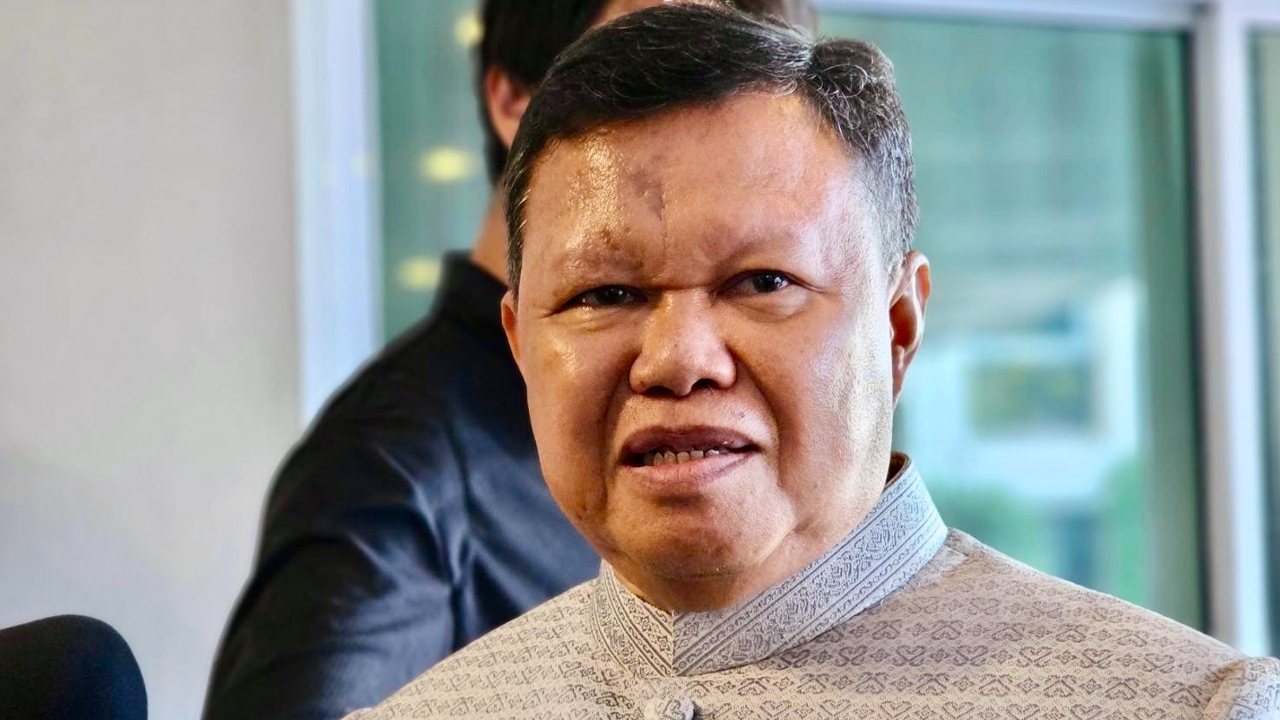
At 09:10 on 10 Nov 2026 GMT+7 at the Government House, Mr. Noppadol Phrerik, Secretary-General of the Council of State, spoke about the progress on four draft amendments to laws that would cancel the allocation of funds to four organizations from excise taxes on alcohol and tobacco and instead include these funds in the regular budget. After Prime Minister and Minister of Interior Anutin Charnvirakul requested feedback from relevant agencies, the Council of State expects to take some time before returning their opinion. There is no set deadline for this review. The opinions will be given separately: the Council of State will focus on legal aspects, while other agencies will provide their assessments. The Prime Minister's Secretariat will compile these views before submitting them to the Prime Minister, who will decide whether to approve the drafts.
When asked if the drafts mainly concern funds and what aspects the Council of State focuses on, the Secretary-General said the Council reviews general legal principles, financial discipline, and foundational laws related to establishment. Policy considerations are handled by the Ministry of Finance and other agencies, which will present their views to the Prime Minister. After hearing from all agencies, it is the Prime Minister's authority and discretion to decide whether to sign off on the bills.
The Secretary-General added that the decision must consider legal grounds and policy issues, such as whether the current approach has problems or if the proposed changes effectively address the issues. All parties must carefully review these matters. Once the Prime Minister hears the agencies’ opinions, the decision to approve or reject rests with him. The drafts under review were proposed by MPs and must be reported back to the Parliament accordingly.