

The Cabinet has approved a Thai–Chinese cooperation in the automotive industry to promote investment, trade, and electric and smart vehicle technologies, aiming to enhance the capabilities of Thailand's automotive sector.
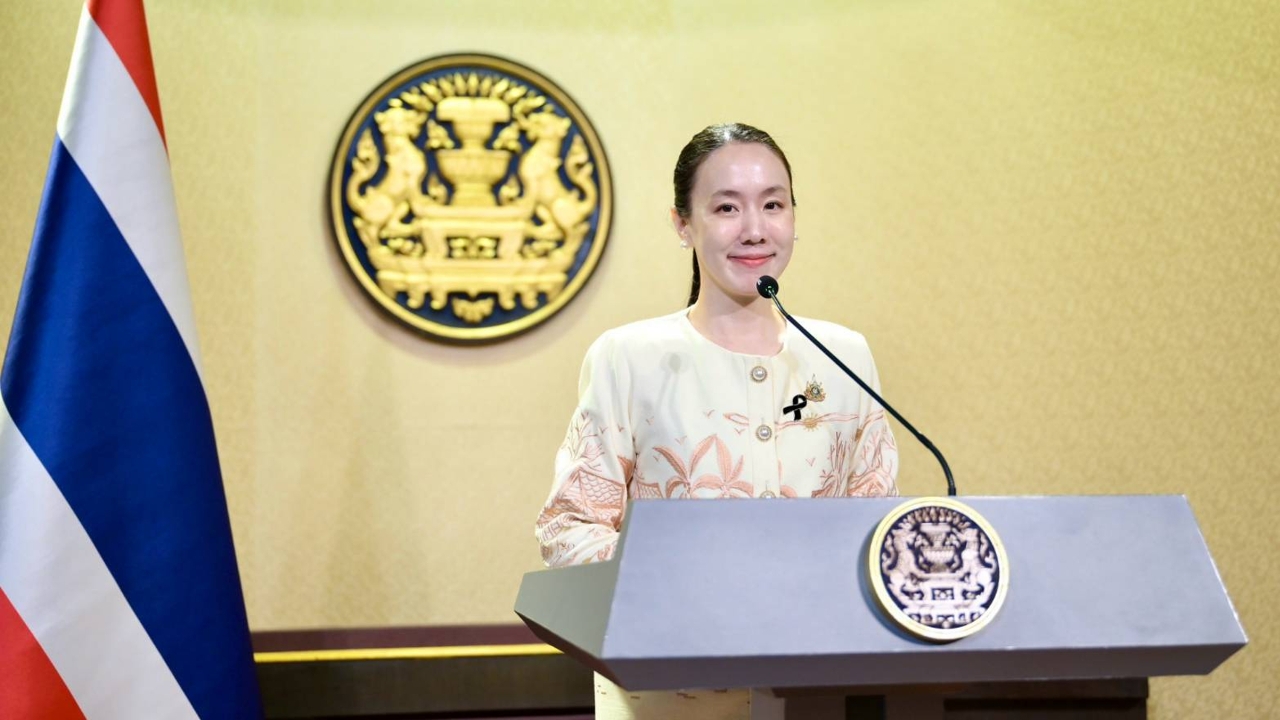
On 10 Nov 2026 GMT+7, Ms. Lalida Pertwiwatthana, Deputy Spokesperson of the Office of the Prime Minister, stated that the Cabinet approved the draft Memorandum of Understanding (MOU) on cooperation in the automotive industry between Thailand's Ministry of Industry and the Ministry of Industry and Information Technology (MIIT) of the People's Republic of China. This aims to elevate modern automotive industry cooperation, promoting investment, trade, technological innovation, and development of electric and smart vehicles, as well as strengthening the automotive supply chain between the two countries.
Ms. Lalida explained that this cooperation aims to enhance the competitiveness of Thailand’s automotive industry and promote sustainable industrial development, setting five main cooperation frameworks as follows:
1. Investment: To promote investment between Thai and Chinese operators covering vehicle production, automotive parts, electric vehicles, battery production and recycling, including facilitating investment projects of operators from both countries.
2. Trade: To encourage exchange of market situation information, trade policies, and production demands to increase trade opportunities in the automotive and parts industries within a fair, equal, and open trade environment.
3. Standards and regulations: To promote exchange of information on automotive standards and related regulations through seminars, training, and joint activities, including coordination of standards and mutual recognition of test results.
4. Industrial management: To exchange experiences in strategic planning, industrial supervision, and problem analysis to develop solutions and improve the efficiency of automotive industry management.
5. Policy measures: To exchange information and experiences on automotive industry support measures to develop industrial policies aligned with technological changes and future industry directions.
Additionally, both countries will establish the China–Thailand Automotive Industry Cooperation Working Group as a coordination mechanism to monitor progress, prepare annual implementation plans, promote exchange of policy, standards, regulation, and research information, and support cooperation among industry sectors, academic institutions, and research organizations from both countries.
The main coordinating agency on the Thai side is the Office of Industrial Economics, Ministry of Industry, while on the Chinese side it is the Department of Machinery and Equipment Industry 1 under the Ministry of Industry and Information Technology. They will jointly set cooperation directions, organize meetings, and monitor implementation to ensure practical benefits.
Ms. Lalida added that the MOU sets a cooperation period of five years from the signing date, planned to be signed by November 2026 during the visit of the Chinese Premier to Thailand. The Cabinet authorized the Minister of Industry or a designated representative to sign. Activities and budget allocations under the cooperation framework will be considered on a case-by-case basis as appropriate, with no binding impact on the national budget. The MOU does not create legally binding international obligations.
"The government prioritizes developing Thailand's automotive industry to adapt and compete long-term. This cooperation with China is a key mechanism to promote investment and exchange of knowledge and technology, especially in electric vehicles, batteries, and smart vehicles, which will increase opportunities for Thai operators to participate in the global supply chain and support sustainable growth of Thailand's automotive industry," she said. . Ms. Lalida said