

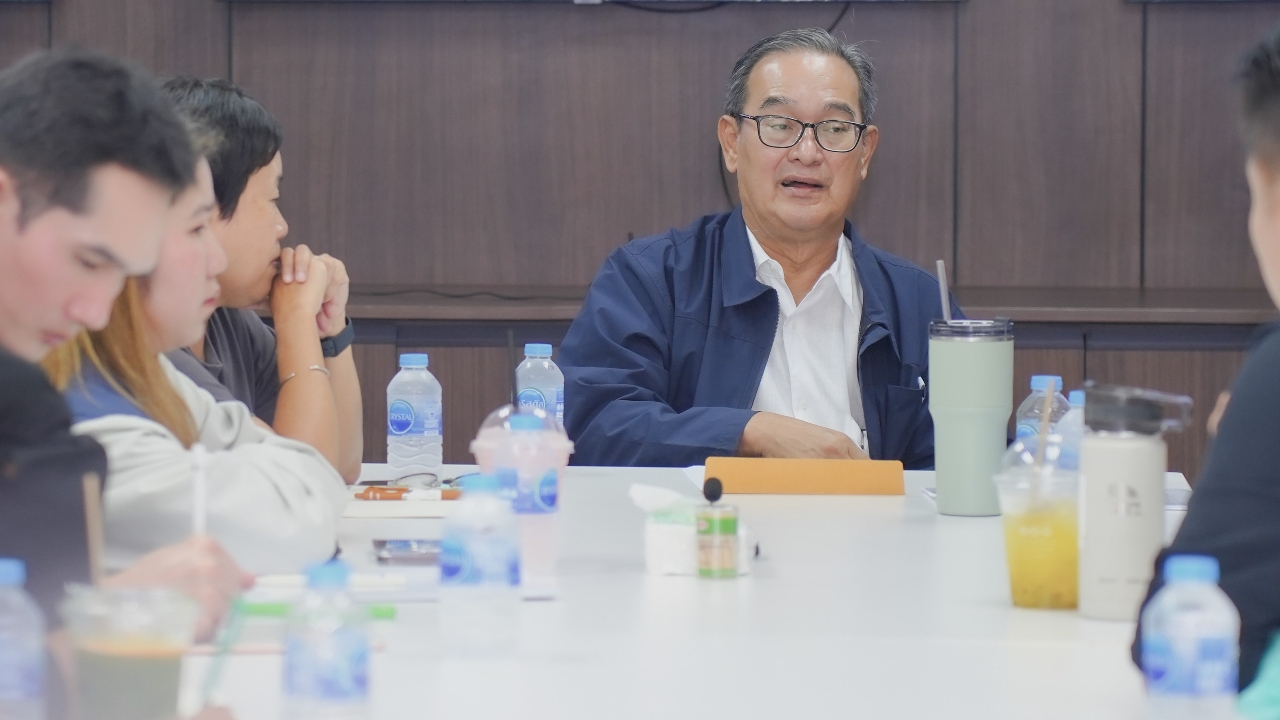
“Nikon” accepted a letter from the Consumer Organizations Council opposing amendments to the National Health Security Act and stressed readiness to bring information from both sides to the legal review committee to maximize public benefit.,
On 10 Nov 2026 at the Bhumjaithai Party headquarters, Mr. Nikon Jamnong, party-list MP and vice-chairman of the Bhumjaithai Party's legal review committee, received a letter from the Consumer Organizations Council opposing amendments to the National Health Security Act, which was submitted to Prime Minister and party leader Anutin Charnvirakul.
The proposal from civil society—including public health service users, networks, and health insurance advocates—expressed disagreement with amendments related to copayment welfare, asserting that health benefits should be state-provided. Although the Prime Minister previously confirmed no amendments are underway, it is now known that civil society has proposed amendments currently under review, and the bill is nearing parliamentary consideration.
Mr. Nikon said he had requested the letter submitters to provide additional data on key objections, including unclear basic benefits, the issue of copayment which contradicts the original Gold Card principle of covering all treatments with minimal copayments, and concerns about the use of funds from the National Health Security Fund.
Additionally, the bill's proponents noted that provincial hospital budgets are insufficient due to excessive payments to the public, an issue needing clear explanation. He requested the submission of detailed data and proposals to the party for consideration by the legal review committee. Should the bill proceed, it must be examined rationally to reach the best outcome for the public.
Mr. Nikon added that he had accepted the issue and urged prompt submission of information for the legal review committee's consideration, a process involving review of proposed bills with input from both sides to analyze details and find solutions that maximize public benefit.
He noted that if it becomes a bill, the final decision rests with parliament. He views the opportunity for exchanging information and jointly considering arguments positively, as political parties and politicians have the duty to decide toward conclusions and enactment into law.

