

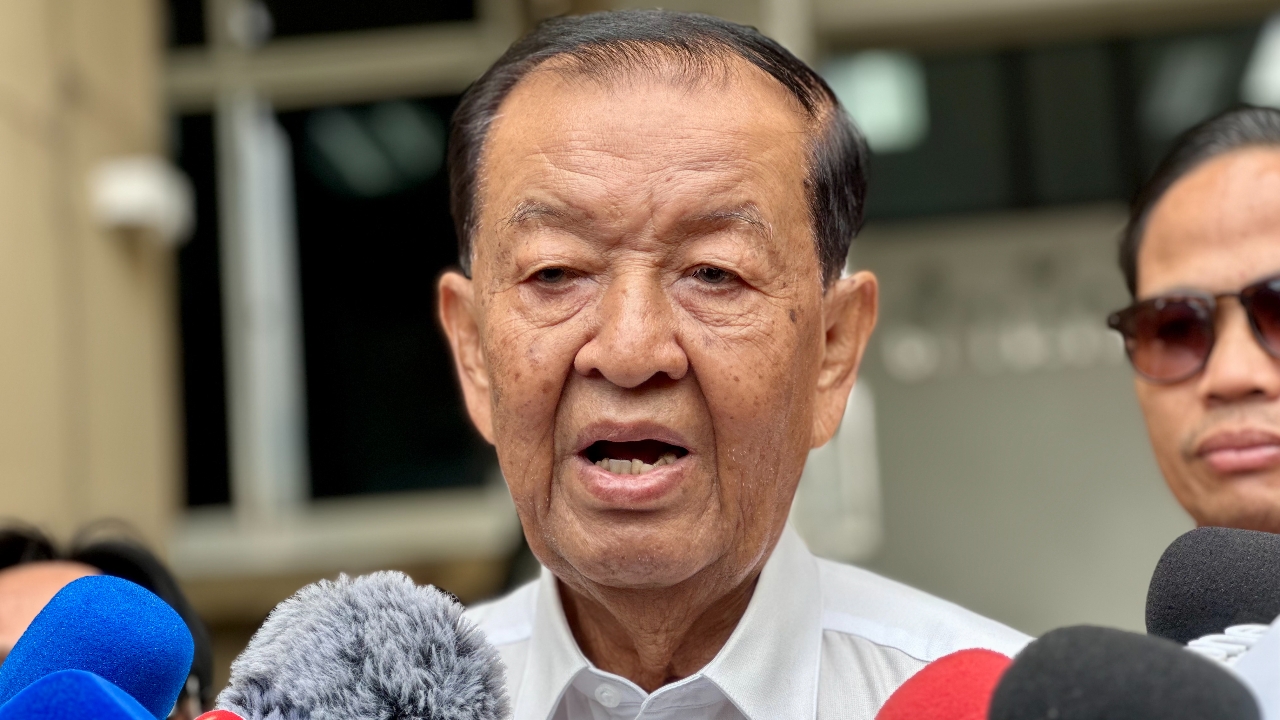
Wannoor points out that the unrest in the southern region is intended by perpetrators to assert their presence and gain media attention, signaling a push to accelerate negotiations. He also discussed with the Malaysian facilitator, noting aligned approaches that adhere to constitutional principles, with hopes for peace in the southern border by 2027.,
At 14:15 on 11 Nov 2026 at the Government House, Mr. Wan Muhammad Nor Matha, advisor to the Prime Minister, spoke about the unrest spreading across the southern border provinces, including Songkhla and Satun. He said intelligence agencies must investigate how these events occurred during this period. The incidents targeted neither lives nor property but aimed to generate news showing that dissenting groups still exist. He speculates the actions intend to prompt swift negotiations with representatives to reach a positive conclusion. Without dialogue, it’s unclear who is responsible or why these events happen, especially since the BRN is a secretive group. Therefore, local intelligence must clarify the situation. He informed Major General Dato Ahmad Norihan bin Jalal, Malaysia’s new facilitator for southern border peace talks, that Thailand and its people demand permanent safety for life and property. Other matters can be negotiated within legal and constitutional frameworks, which the Malaysian side understands, given their own similar issues. If both sides share this understanding and open talks sooner, it will benefit everyone.
When asked about the violence extending beyond the three southern border provinces to Satun, Wan Muhammad Nor said speaking without solid intelligence risks error. Thus, gathering information and halting the incidents is essential, especially for their officials. Beyond human efforts, it’s time to use modern technology such as CCTV and AI devices that can track suspects’ movements, not just facial recognition. These tools are not very expensive but must be used properly. Relying solely on armed personnel to report news won’t keep pace with today’s evolving situations.
Asked how local officials should adjust their work, Wan Muhammad Nor said he has discussed with many parties and noted that some existing technologies may be outdated, putting personnel at risk. Regarding the recent attack on a student bus, he said he is not fully informed but has only seen reports of tire burning, with no casualties or injuries—just exchanges of retaliation. He has talked with the Deputy Prime Minister overseeing this matter, agreeing that security must proceed on two fronts: enforcing the law and preventing violence fully. He emphasized the need for rapid intelligence verification and arrests alongside readiness to negotiate. Even during the Communist Party era, resolution came through dialogue, mutual understanding, and coexistence in harmony. But without strong legal enforcement, negotiations cannot succeed.
Talks with Malaysian facilitator show aligned approaches, hoping for peace by 2027.
Mr. Wan Muhammad Nor Matha, advisor to the Prime Minister, said after discussions with Major General Dato Ahmad Norihan bin Jalal, Malaysia’s new facilitator for southern border peace talks, that the facilitator met with Mr. Thanat Suwannanut, chief negotiator for southern border peace talks, and paid an informal courtesy visit to him. Their talks showed the new facilitator understands approaches to creating peace and stability for Thailand as mandated by the Malaysian government. He stated Thailand’s position that no negotiations can contravene the Thai constitution. Both sides agree that each country must uphold its own constitution as fundamental and inviolable. Decentralization is seen as normal, while matters of religion, identity, and cultural uniqueness are legitimate local concerns without conflict. Malaysia understands this and has a policy from its Prime Minister to help promote a peaceful resolution and peace for Thailand, as this prolonged issue should end within this government’s term. This aligns with Thailand’s strategy to normalize the southern border provinces by 2027.
When asked if the new Malaysian facilitator understands the local context well, Wan Muhammad Nor said he has never visited the area but has relatives in Kelantan state, adjacent to the Thai border. Besides visiting Bangkok, he plans to visit the three southern border provinces to engage all parties, build understanding, and foster reconciliation.
Asked whether he is confident this round of talks will involve real leaders and be more effective than before, Wan Muhammad Nor said the BRN always selects trusted individuals as political leaders to engage in negotiations. While informal talks may occur elsewhere, the real negotiations at the table involve Mr. Thanat and Major General Dato Ahmad Norihan, who have already held preliminary talks and may have one or two more technical sessions. Serious negotiations will follow after Malaysian Prime Minister Anwar Ibrahim meets Thailand’s Prime Minister and Interior Minister Anutin Charnvirakul on 8-9 December 2026, with the process continuing accordingly.