

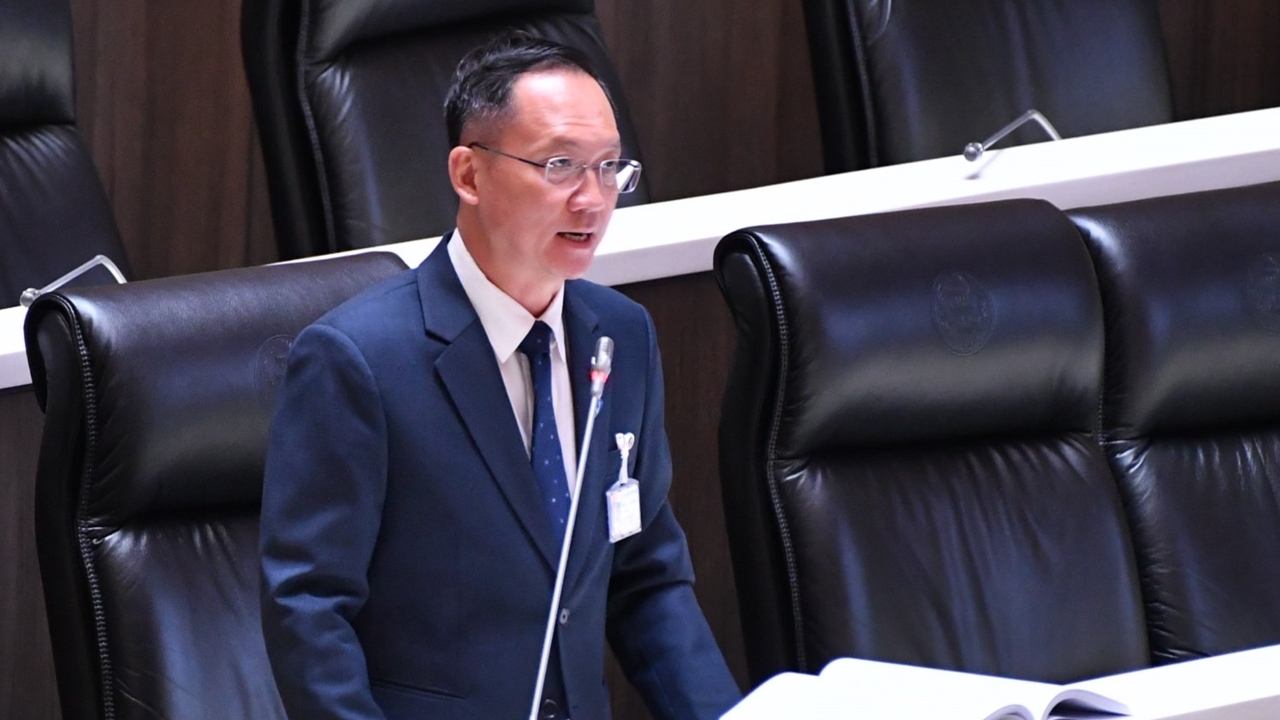
Akkaradej clarified that the draft parliamentary rules are not a scheme to seize the chairmanships of committees. He supports reforming the question time system and increasing legislative legal experts to strengthen the legislative branch.
On 11 Nov 2026, Mr. Akkaradej Wongpitakroj, MP for Ratchaburi District 4 from the Bhumjaithai Party, spoke in favor of the draft House of Representatives rules proposed by Mr. Nikorn Jamnong, also of Bhumjaithai. He stated that the draft contains many provisions beneficial to parliamentary functions and enhances efficiency in addressing public issues, highlighting four key points in his speech.
Akkaradej addressed criticism that the draft rules represented an attempt by the government side to consolidate all 35 standing committee chair positions under its control. He said this was a misunderstanding since Nikorn's original proposal concerned the management of special committees, not the 35 standing committees whose chair positions must be allocated proportionally among parties, including both opposition and government members, making it impossible for one side to control all positions.
He emphasized that the proposal does not involve seizing standing committee chairmanships and that this issue has been removed from the draft. He noted that linking this topic to ongoing conflicts over chair position allocation could mislead the public into believing the government seeks to centralize power, which is not the intention of the bill's proposer or the Bhumjaithai Party.
The second and third points concern reforming the question time system by proposing a 20-minute limit for general questions, divided equally between the questioner and the responding minister or official. Currently, the rules do not specify time limits, and some Q&A sessions last 30 minutes to nearly an hour, consuming excessive time and impacting other parliamentary business. The time limit for urgent questions would remain 30 minutes to maintain clear and efficient meeting management.
Additionally, he proposed clearer categorization of question types to better match their purposes. An amendment to paragraph two would specify that questions not pertaining to specific local areas or individuals, as described in paragraph one, cannot be answered in the parliamentary chamber. This clarification aims to prevent confusion and improve question classification during sessions.
Regarding the fourth point, Akkaradej supports increasing legislative legal experts as assistant secretaries to committees. Currently, the legislature relies on lawyers from the Office of the Council of State, an executive agency, for legal support in drafting and reviewing laws. Despite the House's direct role in lawmaking, it lacks its own legislative legal experts. Developing such personnel within the legislature would enhance expertise and strengthen committees’ ability to review bills more effectively and comprehensively.