

The Ministry of Finance announced the MOF Transformation plan to transform the country using STI and to reform the Ministry itself according to DEE principles, confident this will help drive inclusive economic growth in Thailand and support SMEs to grow and compete effectively.
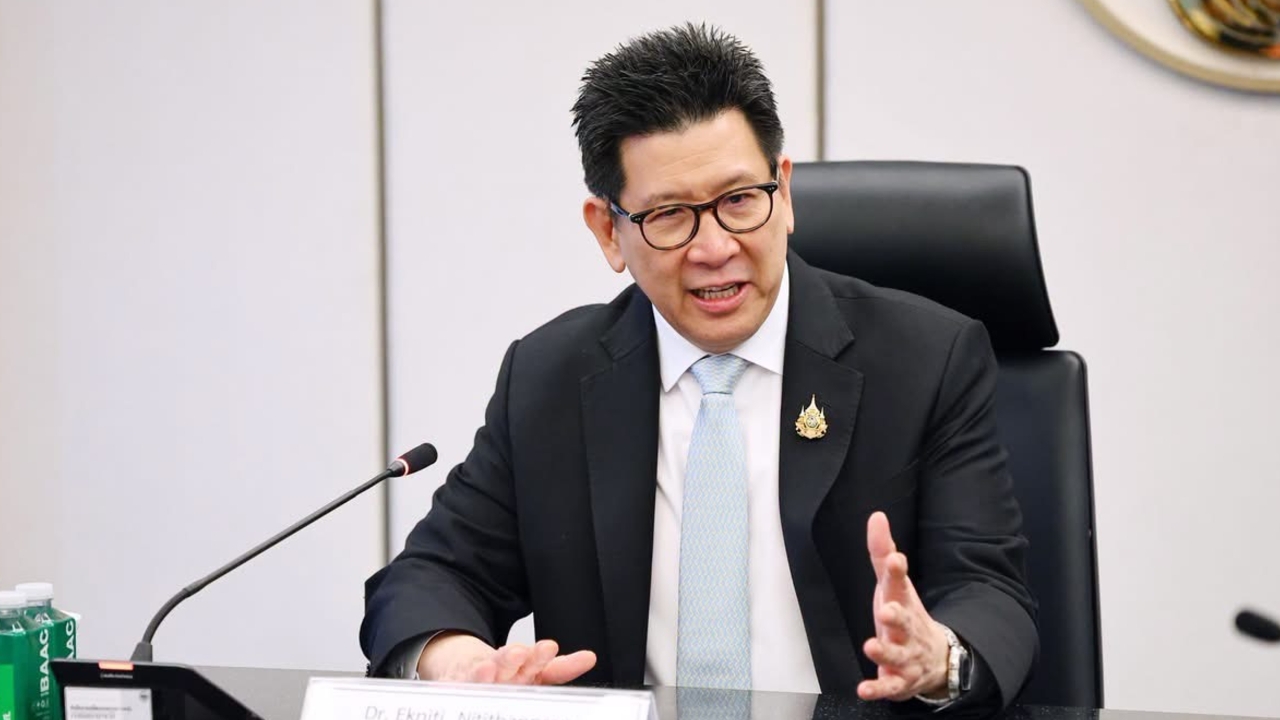
On 11 Nov 2026 GMT+7, Mr. Akniti Nitithanprapas, Deputy Prime Minister and Minister of Finance, along with Dr. Santithan Sathienthai, Assistant Minister of Finance, Mr. Lawaron Saengsanit, Permanent Secretary of Finance, and Ministry executives unveiled the "MOF Transformation: Transforming the Country with STI, Transforming the Ministry with DEE for the People" plan. This aims to prepare Thailand’s economy for the future, create opportunities, and strengthen small entrepreneurs and SMEs to compete and grow. The MOF Transformation targets three key goals for Thailand: 1) increase economic growth potential to over 3.0% annually, 2) raise public and private investment to 30% of GDP, and 3) elevate Thailand’s competitiveness into the world’s Top 20.
The economic transformation policy consists of STI: S for Stabilize Today—maintaining current stability by cushioning shocks, creating opportunities, and focusing on assisting small entrepreneurs while maintaining fiscal discipline; T for Transition Now—creating incentives for people and businesses to move into the new world; and I for Invest for Tomorrow—investing to build new capabilities for individuals and businesses.
The principles for transforming the Ministry for the people are DEE: D stands for Disclosure & Transparency—being open and auditable by revealing problems; E for Easy—making government services more accessible and responsive to citizens by digitizing internal processes; and the final E for Efficiency & Effectiveness—using funds wisely to provide targeted assistance, reducing unnecessary spending, and focusing on essential priorities.
The Ministry of Finance has already implemented Stabilize Today initiatives such as the Thai Help Thai Plus program, including the state welfare card and the 60/40 co-payment scheme. For Transition Now, policies include community solar projects to reduce expenses, increase income, and transition the country’s energy system, as well as excise tax restructuring for imported battery electric vehicles (BEV) and rechargeable electric vehicles (REEV), which are powered solely by electric motors.
