

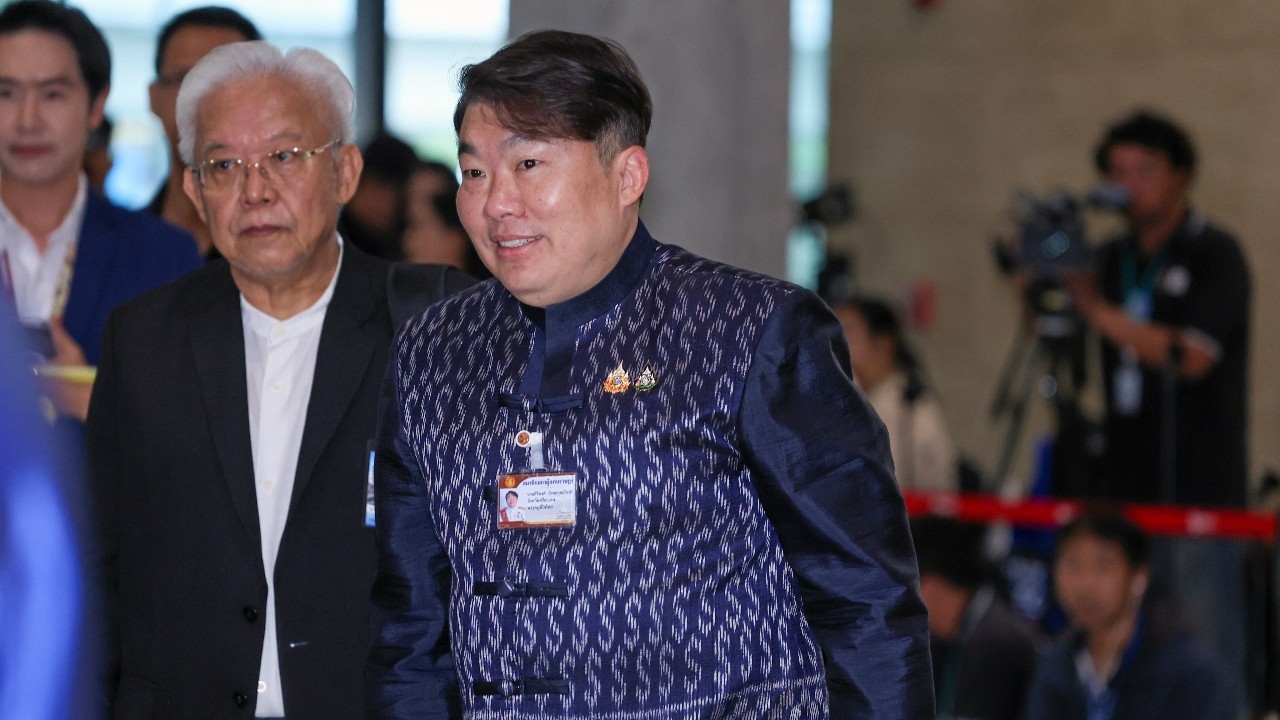
Siripong explained that the high airfares to Chiang Mai during the Yi Peng Festival reflect reseller prices. He acknowledged that the high prices result from increased traveler demand and reduced flights avoiding lantern release periods. He advised purchasing tickets directly from airlines and plans to consult the Ministry of Commerce to bring OTAs under fare control.
At 13:30 on 12 Nov 2026 GMT+7, Mr. Siripong Angkasungkit, Deputy Minister of Transport, commented on the case where the Bangkok-Chiang Mai airfares surged above 20,000 baht, stating that the Ministry of Transport's Civil Aviation Authority is responsible for overseeing and controlling fare rates as well as airline safety standards, such as rates. For the Bangkok-Chiang Mai route, low-cost airlines have a fare ceiling of no more than 5,000 baht per trip depending on promotions, while full-service airlines are capped at around 7,000 baht.
The reason this situation often occurs on the Chiang Mai route is that during the Yi Peng Festival, locals release lanterns into the sky, preventing flights from operating as usual at certain times. As a result, flights between Bangkok and Chiang Mai are reduced by about 60 daily flights, which is one of the issues encountered.
Siripong continued that the question of why prices remain high despite fare controls is due to sales through Online Travel Agencies (OTAs) or Travel Agencies (TAs) that have quotas and take advantage of high demand and fewer flights to raise prices. Currently, OTAs are foreign companies not registered in Thailand, so there are no laws controlling their prices. The Civil Aviation Authority has sent a letter to the Ministry of Commerce requesting legislation to require OTAs to register in Thailand and be subject to legal price ceilings. Some countries have already begun implementing such controls, though not globally.
The Deputy Minister of Transport added that this approach is expected to enable the Consumer Protection Board, Ministry of Commerce, and Ministry of Transport to work together to prevent this problem in the future.
Asked whether prices will continue to rise until legislation is enacted, Siripong said, the law currently controls airlines, so travelers are advised to book directly with airlines or buy tickets through Thai TAs that can be regulated, which would be more beneficial.
Regarding how long it will take to amend the law to bring OTAs under fare regulation, Siripong replied that work has been underway for some time, and he has urged the Civil Aviation Authority to expedite sending proposals to the Ministry of Commerce, aiming to implement measures by next year to address fare surges.
Reporters asked again, whether non-full-service tickets are capped at 5,000 baht, Siripong responded yes, the law stipulates that if purchased directly from airlines, fares are subject to the ceiling, and complaints can be filed if airlines do not comply on their websites.
When asked if high fares during festivals might reduce domestic travel, Siripong said that one cause of the price increase is reduced flights, reflecting supply and demand. He hopes fares will remain reasonable to promote travel but is concerned that without proper regulation, interest in domestic tourism could decline.