

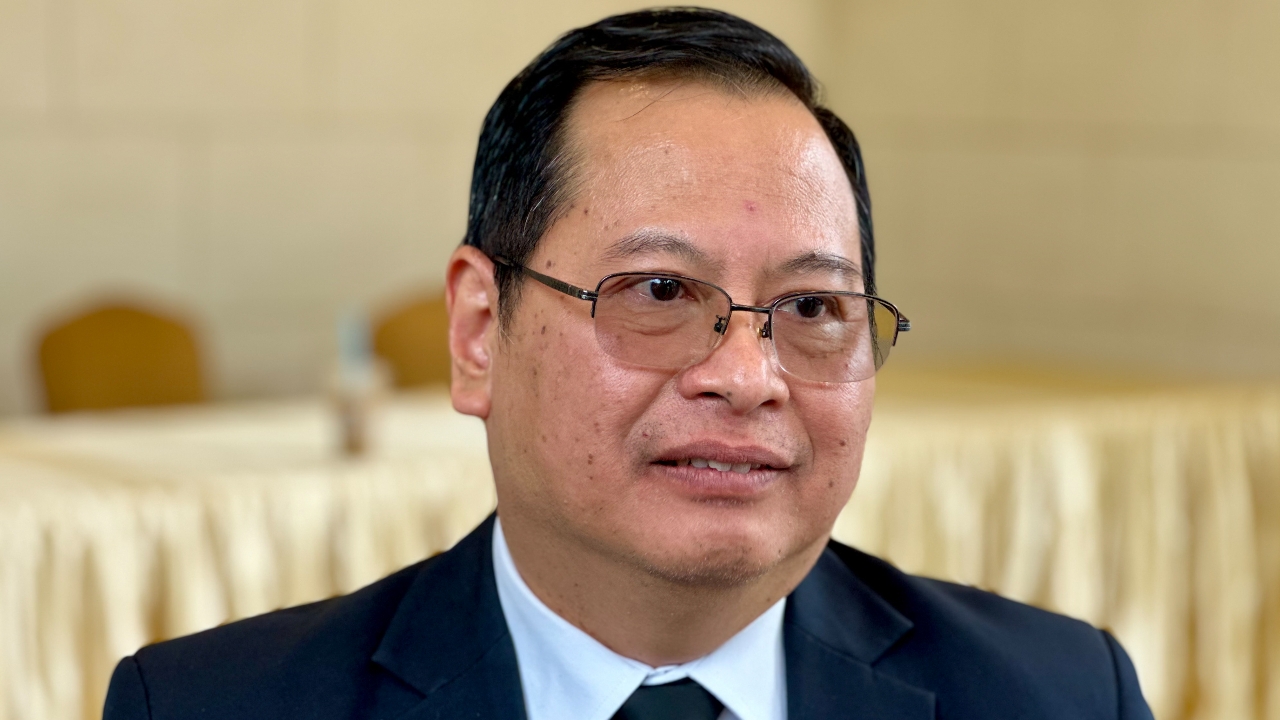
Pakorn is preparing to discuss with Polpee the revision of ministry regulations to tighten control over foundations, mandating the publication of financial statements and compensation on websites. He noted that political parties receiving donations are not considered fundraising but should not use personal bank accounts.
At 11:25 a.m. on 13 Nov 2026 at the Government House, Deputy Prime Minister Pakorn Nilprapunt spoke about plans to meet with Deputy Minister of Interior Polpee Suwanchawi to address foundation issues. He said no meeting date has been set yet and that they must wait for Polpee to propose a date and meeting agenda, including whether to amend specific laws or revise Ministry of Interior regulations, the latter being easier.
Pakorn said the current ministry regulations are very old. The registration and supervision of foundations under Ministry of Interior rules do not specify clear procedures and are handled locally without centralization. Documentation is on paper, so by the time it reaches the registrar, they are often unaware. When problems arise, multiple steps are needed. Although the old regulations require foundations to submit annual financial and activity reports, many foundations fail to do so due to fragmentation, making oversight difficult. Therefore, tightening these regulations and requiring disclosure would improve transparency.
Pakorn discussed the authority to revoke foundation registrations, which is already covered under the Civil and Commercial Code if misconduct or harm occurs. He emphasized the importance of strict financial reporting and transparency. Regarding increasing penalties, he said such measures should be preventive rather than reactive; otherwise, public trust diminishes and donations decline. He stressed the need for disclosure of how much each foundation receives, as currently accounts are unknown and police must investigate piecemeal. Preventative measures are preferable to avoid damage.
Asked if controlling the large number of foundations by making registration harder is possible, Pakorn said registration should remain easy because those registering usually have good intentions. Making it difficult would discourage legitimate registrations.
When asked about the perception that setting up foundations is an easy way to raise money, Pakorn said that if registration includes mandatory information disclosure—such as uploading data to the Department of Provincial Administration's website upon receipt by the registrar—everyone can see which foundations exist and review their details. He questioned why charitable foundations should hide information. Without transparency, activities go underground. If fraud occurs, the Ministry of Interior will coordinate with agencies like the Office of Public Sector Anti-Corruption Commission and Anti-Money Laundering Office, since creating new agencies is complicated.
Reporters asked if tax exemptions motivate many to register foundations. Pakorn responded that foundations are intended for charitable purposes. Asked about foundations paying salaries to board members and staff, he said compensation is appropriate for workers, varying by foundation. The issue is that donors do not know how foundations operate, spend funds, or their financial statements, as many do not submit reports of income and expenses. Requiring all foundations to submit financial reports and disclose income and expenses online would increase transparency. Any wrongdoing would leave evidence and financial trails that can be traced.
Asked if foundations mostly use donations to pay staff salaries, Pakorn said that if a foundation sets spending limits in its financial statements, people can question whether such expenses are appropriate. He cited foreign foundations that pay high board member compensation but evade taxes. If Thailand adopts full disclosure of compensation in financial statements, this transparency will be beneficial.
Regarding fundraising during disasters, Pakorn said existing fundraising laws are outdated. Previously, collecting donation envelopes in person and claiming they were for a foundation was normal fundraising. However, donations differ; they are given without concern for use, whereas fundraising is solicited for specific purposes, so the two are distinct.
Asked if fundraising requires permission, Pakorn said if it does not involve going door-to-door or wandering to solicit funds, permission is not required, as with many temples.
Asked if political parties can fundraise, Pakorn said political parties accept donations but this is not considered fundraising. Asked about a Prime Minister's Office letter to the Election Commission concerning parties receiving flood relief donations, he said he was unaware of this and had not seen the document. Regarding the legality of receiving such donations in personal accounts, Pakorn said this should be avoided, as personal accounts raise questions about income and tax liability. Asked about potential penalties, he said he did not know or recall.