

Suksamruay clarified that the village fund capital increase is not a 10-billion-baht project and is unrelated to solar cells. She said it involves clearing a 14-year backlog of funds that missed opportunities, restoring rights to overlooked villages. She emphasized that the government leaves no one behind and is ready to revive more than 8,000 village funds with equal million-baht support each.
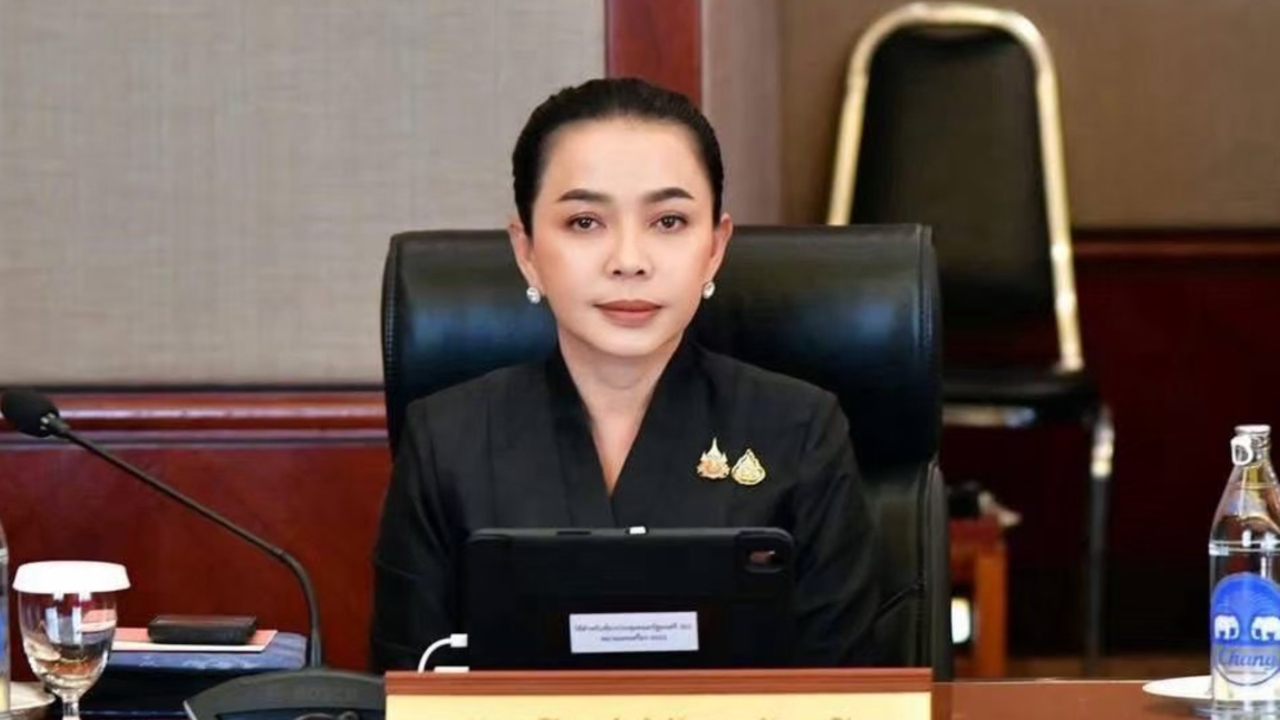
On 16 Nov 2026, Suksamruay Wantaneeyakul, Minister attached to the Prime Minister's Office and Chairperson of the National Village and Urban Community Fund Board, spoke about the third phase of the village fund capital increase project, which offers village funds that have not yet received capital increases the chance to apply for support. After publicizing the program, they received thanks from overlooked village funds, as it addresses backlog since 2012. She noted some misunderstandings might exist.
Suksamruay said,Iwould like to clarify further, such as allegations that this is a populist project spreading nearly 10 billion baht by multiplying the number of eligible village funds (8,746) by one million baht each, which is incorrect. The actual amount available is about 3.4 billion baht, not new budget, but funds approved since 2012 for the third phase capital increase that have been delayed over 14 years, leaving many village funds unpaid.
“We leave no one behind, and this is not a new project. The government is not spending new money. Villages overlooked for 14 years deserve their rightful support. We do not want this fund to remain unused without benefiting the community,” Minister Suksamruay said.
She further explained that the capital increase funds are transferred directly via Government Savings Bank or BAAC into the village fund’s primary account. This money serves as revolving capital members can borrow to run their occupations. Each fund must propose its own development plan covering member investment, welfare, savings, and new member recruitment.
“This money belongs to the people. It goes straight into the village fund account, without intermediaries, and no one forces the villages to buy anything,” Minister Suksamruay said.
Suksamruay added that the main principle is “first come, first served.” All funds follow the same criteria set by the National Village and Urban Community Fund Office (NVUCFO) as before: funds must be registered as legal entities, have members’ meeting resolutions requesting capital increase, appoint internal auditors, and submit financial statements. Applications undergo triple-layer review: by provincial village fund coordination centers, NVUCFO regional branches, and the national village fund board. Notifications were sent nationwide to governors, NVUCFO branches, and all village fund chairpersons. The deadline of 31 Dec 2026 is to close the longstanding backlog and prevent further delays.
“No politician chooses which villages receive funds; all use the same criteria with multiple checks. Anyone noticing irregularities locally can report them. We are ready to investigate thoroughly and enforce the law decisively,” Minister Suksamruay said.
She also urged those commenting on social media to verify tax money use with official sources before sharing. Misleading figures or linking unrelated issues could cause public misunderstanding and deprive eligible villages of their chance. Village funds interested in applying can contact any NVUCFO regional branch or call 0 2141 7100-19 ext. 1703, 1704.