

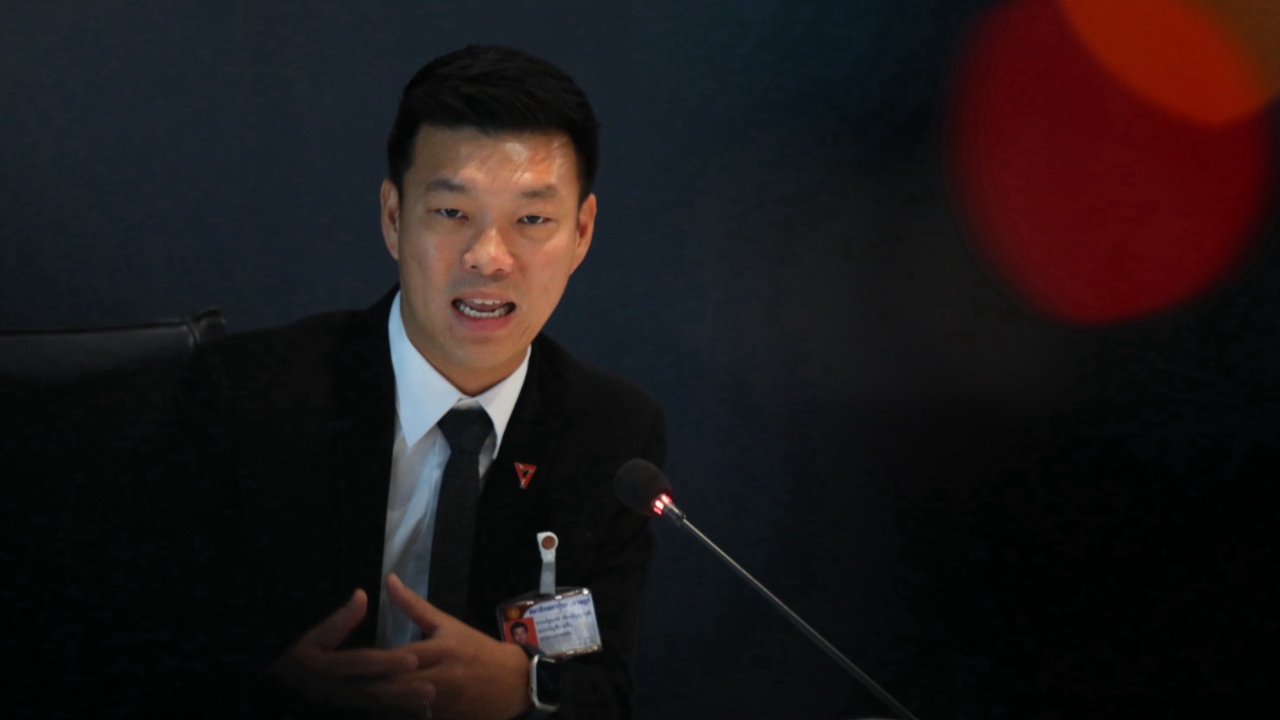
Theng Nattapong criticized Je Setth for using scapegoat tactics to save face, pointing out that the issue of toxic pollution in rivers has escalated and expanded widely, raising fears of toxic residues in rice grains.
At 10:00 a.m. on 16 Nov 2026 at the parliament, the Prachachon Party held a shadow cabinet meeting with enthusiastic participation from party leaders discussing various issues, including the ongoing toxic pollution in multiple rivers. After the meeting, Nattapong Ruangpanyawut, party leader, stated that he and the Prachachon Party have been monitoring the problem continuously. Previously, reports indicated arsenic levels in one river were 28 times above the standard, but recent weekend follow-ups found some rivers exceeding 30 times the limit. He criticized the government’s lack of genuine effort to solve the problem, citing Deputy Interior Minister Je Setth Thai Setth’s site visits as superficial, merely a face-saving effort. When the problem escalated broadly, only then was serious inspection done—yet only on the provincial waterworks system supplying 15% of total water usage, ignoring village waterworks and other raw water sources that Je Setth failed to inspect thoroughly.
Nattapong added that news reports showed the Thai government was preparing to sign an MOU with China to establish a joint toxicology lab with Mae Fah Luang University, but the agreement was never finalized. Although setting up a toxicology lab is necessary, the crisis has moved beyond preventive toxin detection, as contamination has already spread extensively. Previously, the shadow cabinet announced toxic residues were even found in rice grains, making it impossible to track which contaminated rice had reached consumers. This is a grave concern. He made two demands: first, immediate domestic measures—where the Ministries of Industry and Commerce should use their authority under the Mineral Act or Import-Export Act to scrutinize Thai companies importing minerals from Myanmar for shipment to China. If these minerals come from substandard mining operations, penalties must be imposed on involved companies. Also, the Anti-Money Laundering Office should investigate financial links to these companies to uncover possible grey capital involvement and expand the inquiry. Second, international measures are needed.