

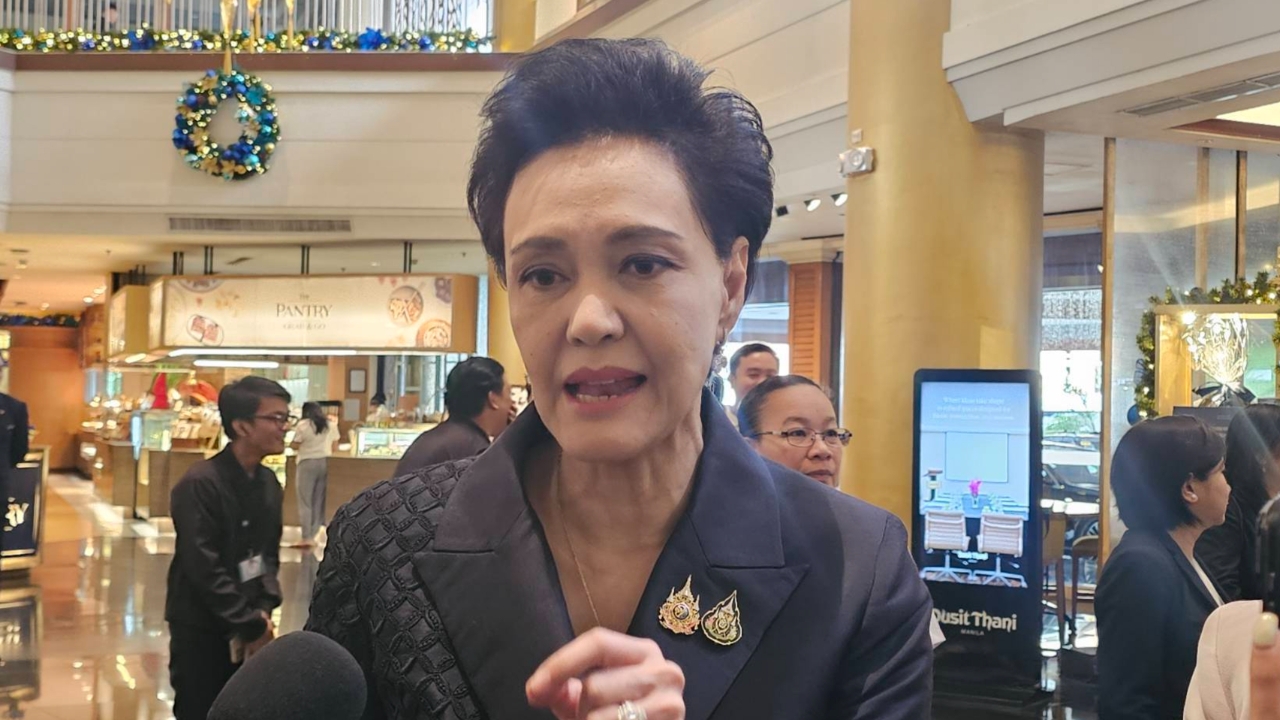
Deputy Prime Minister Supachai confirmed that the signing of the Thailand-U.S. trade agreement does not entail a 100% elimination of U.S. product tariffs. She said Trump’s remarks were simply meant to make Americans feel good and emphasized that no damage has occurred.
On 18 Nov 2026, Supachai Suthumpun, Deputy Prime Minister and Minister of Commerce, clarified President Donald Trump's statement after the signing of the Joint Statement on ART between Thailand and the U.S., which claimed Thailand would fully eliminate customs duties on U.S. imports. She explained that such remarks were Trump's choice of words but not considered incorrect. The agreement dates back to negotiations under Prime Minister Phaethongtarn Shinawatra's government, where tariffs were reduced from 36% to 19%. Thailand did not open its market fully 100%, and in fact, free trade agreements with other countries such as ASEAN, Australia, and New Zealand had opened markets 100% over 20 years ago. Regarding the U.S., she reiterated that it is not 100%. Going forward, U.S. products will face increased competition in Thailand, benefiting consumers and businesses by offering more options, like the recent allowance of U.S. meat imports alongside Australian meat but with limited quotas. This provides consumers with choice. Sensitive products will still face controls or quota restrictions to protect domestic operators from adverse impacts.
When asked about concerns raised by Thai citizens, especially farmers, due to President Trump's detailed remarks on the trade agreement, Supachai said the details were disclosed since July 2025 without new additions and still require full verification before the final contract signing. She stressed that Thailand has not abolished all customs duties on U.S. products as Trump claimed, nor has trade been fully opened immediately. The opening is gradual, with some sensitive items, including certain agricultural products, still protected. She noted that Trump’s statements appeared intended to reassure U.S. farmers. For example, regarding animal feed corn imports, Thailand has measures to protect domestic prices by requiring full domestic purchase before imports and setting moisture content and price limits. Therefore, Trump's comments are not new but rather reiterated to foster positive sentiment among Americans.
Supachai added that from Thailand's perspective, trade with the U.S. will become more convenient, aligning with Trump’s statement that bilateral trade will be smoother and investments between the two countries will increase. This benefits both sides; when both feel positive, joint activities can proceed. Trade depends on people. The government is working to protect Thai export revenues, which last year amounted to over 2.37 trillion baht to the U.S., supporting 1.25 million workers. These efforts are ongoing and are not expected to cause harm.