

The Democrat Party's Energy Economic Team criticized the citizen solar program, noting that over 70,000 people have registered but no one has yet received the 50,000 baht support payment. They emphasized that with less than 10 months remaining, the entire project risks collapse and urged the government to promptly explain the causes.
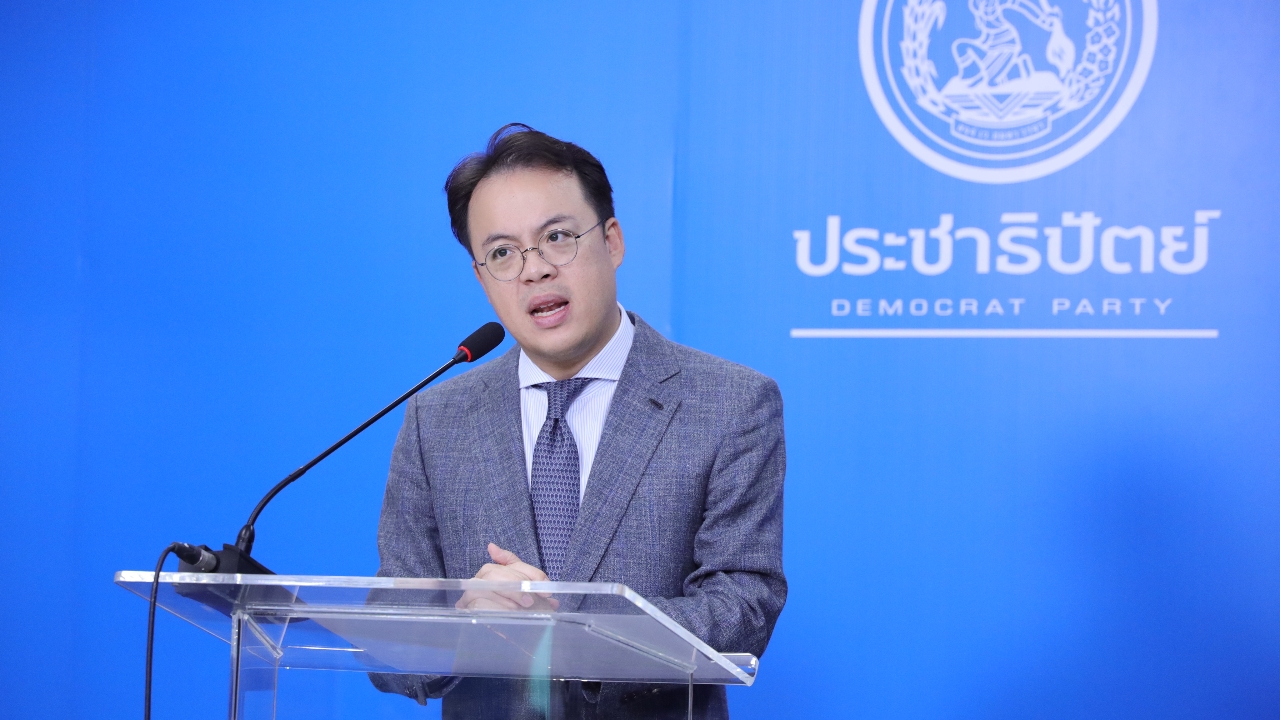
On 20 Nov 2026 at the Democrat Party, Mr. Teerarat Sirichantaropas, the party’s energy economic team member, held a press conference to follow up on the citizen solar project. This project uses a 50 billion baht loan budget to support rooftop solar installations by providing 50,000 baht per household, targeting one million households. He said the project is revealing management problems with lack of readiness and clarity. Although over 70,000 people have registered and some have already installed systems, as of today, no participant has received any support payment. Despite the government's major policy and huge budget, key questions arise whether the issues lie in project design or agency management. The project conditions require applicants to install the system and apply for grid connection approval by 30 Aug 2027. From now, less than 10 months remain, yet no one has been approved or connected to the grid. Those affected are not the government but citizens who trusted the state’s invitation, registered, planned, and some even invested in installations. Whether they will receive the 50,000 baht support is uncertain. If the government rushes verification and approval near the project's end, it could compromise inspection quality and electrical safety standards. If citizens cannot complete the process on time, the budget intended to support the energy transition may fail to meet its goals.
Mr. Teerarat added that there is confusion from multiple changes in criteria, especially the Metropolitan Electricity Authority’s (MEA) recent announcement a week ago requiring installations to meet the Engineering Institute of Thailand (EIT) standards. While this is a proper and supportive standard, questions remain whether citizens who installed systems previously under older criteria must bear extra costs. If installed systems do not meet the newly announced standards, will they still qualify for support payments? The issue is not about whether the EIT standards are good but why the government allowed many to invest before gradually adding new conditions. Such mid-course policy changes effectively shift all risks onto citizens. He also demanded an update on investigations into complaints about profiteering and price differences from installation fees. Related agencies said investigations would take no more than three days, yet citizens have not seen clear results, which undermines confidence in the project. Transparency is needed rather than letting the matter fade away.
“Today, the citizen solar project faces problems including delays and uncertainties at every stage—from criteria, approvals, grid connection, to complaint investigations. The government must clearly explain to the public how it will ensure citizens receive the rights promised,” Mr. Teerarat said.