

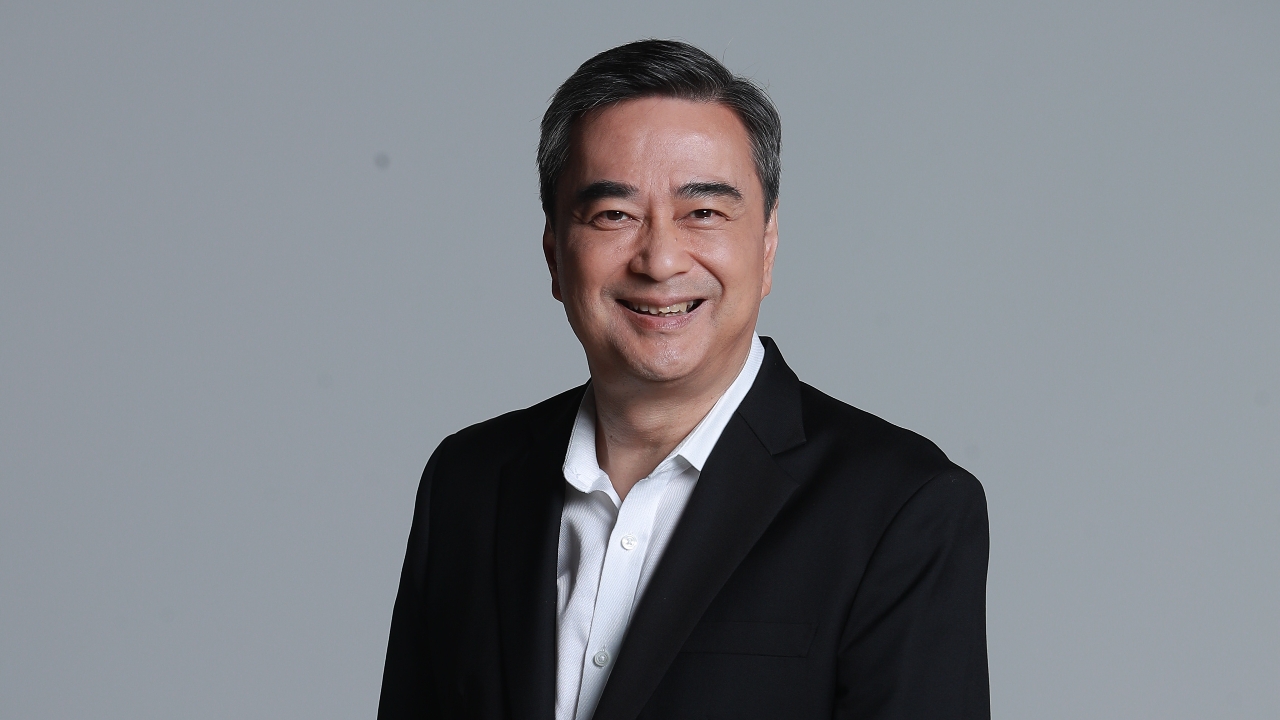
Abhisit expresses concern that the 2028 government budget is entering a crisis stage, compounded by hidden debts of 1 trillion baht. He urges urgent reform of the annual expenditure budget system, opposes raising VAT to 8.5% as it would further burden the public, and demands disclosure of details on the U.S. trade deal.
23 Nov 2026 GMT+7 Abhisit Vejjajiva, List Member of Parliament and leader of the Democrat Party (Democrat Party). In an interview on the program “Meet at Noon” hosted by Somjit Nawakruasuntorn, Abhisit discussed the country's economic and fiscal situation. He said that preparing the 2028 annual expenditure budget will reach a critical point where patchwork fixes are no longer possible. A major overhaul and urgent reform of the annual budget structure are necessary because the government faces difficulties in preparing a legally compliant budget. Public debt is approaching the 70% of GDP ceiling, and the government must still prepare a deficit budget to borrow additional funds.
Additionally, there is “hidden debt” from using funds from state banks such as the Bank for Agriculture and Agricultural Cooperatives (BAAC) to implement government policies, with about 1 trillion baht still unpaid. If this debt is included, total borrowing will immediately exceed the legal public debt ceiling of 70%. At the same time, the annual expenditure budget has surged to 82%, leaving investment budgets at only 17-18%, below the legal minimum of 20% set by fiscal discipline law. Furthermore, the central budget has been diverted to handle disasters and floods, leaving almost no real investment budget, which is concerning.
When asked about solutions, Abhisit said he noted the assumption behind the budget plans to raise VAT by 1.5% to 8.5% to generate about 100 billion baht in additional government revenue. He said this is inappropriate for the current economic climate and should be a last resort. He proposed the government urgently collect wealth tax, combined land tax, windfall tax, and capital market taxes fairly first. On the expenditure side, he supports amending the law to reduce the Government Pension Fund reserve by 45 billion baht but emphasizes the need to promptly establish a new pension and healthcare system for newly appointed civil servants without affecting existing rights, alongside serious measures to combat corruption and reduce budget leakages.
Abhisit further expressed concern over the impact of trade negotiations by Prime Minister Anutin Charnvirakul with U.S. President Donald Trump and European Union representatives. He noted that Thailand’s entire FTA fund has a budget of only 5 billion baht, with just 500 million baht in the Ministry of Agriculture and Cooperatives, which is insufficient to compensate farmers affected by U.S. agricultural imports such as pork, chicken, corn, and soybeans. He criticized the government for citing confidentiality agreements to withhold information from the public, while the U.S. President openly disclosed terms including zero tariffs, opening an 80 billion baht agricultural market, exempting digital taxes, and accepting U.S. product standards that would affect Thailand.
“If the U.S. President’s disclosure violates the agreement, will we protest? If not, why can’t we speak openly as well? It’s unfair to silence only us. If the agreement is valid, transparency and parliamentary oversight must be upheld. The government should use concerns from the opposition and public as leverage in negotiations with the U.S. rather than explaining on behalf of the counterpart. I therefore call on the government to clearly affirm its stance on banning imports of pork with red meat accelerators, maintaining corn and soybean quotas that may affect palm oil, and on drug standards. This will ensure that any tariff reductions from the U.S. by only 2.5% do not come at the expense of the livelihoods of Thai farmers.”