

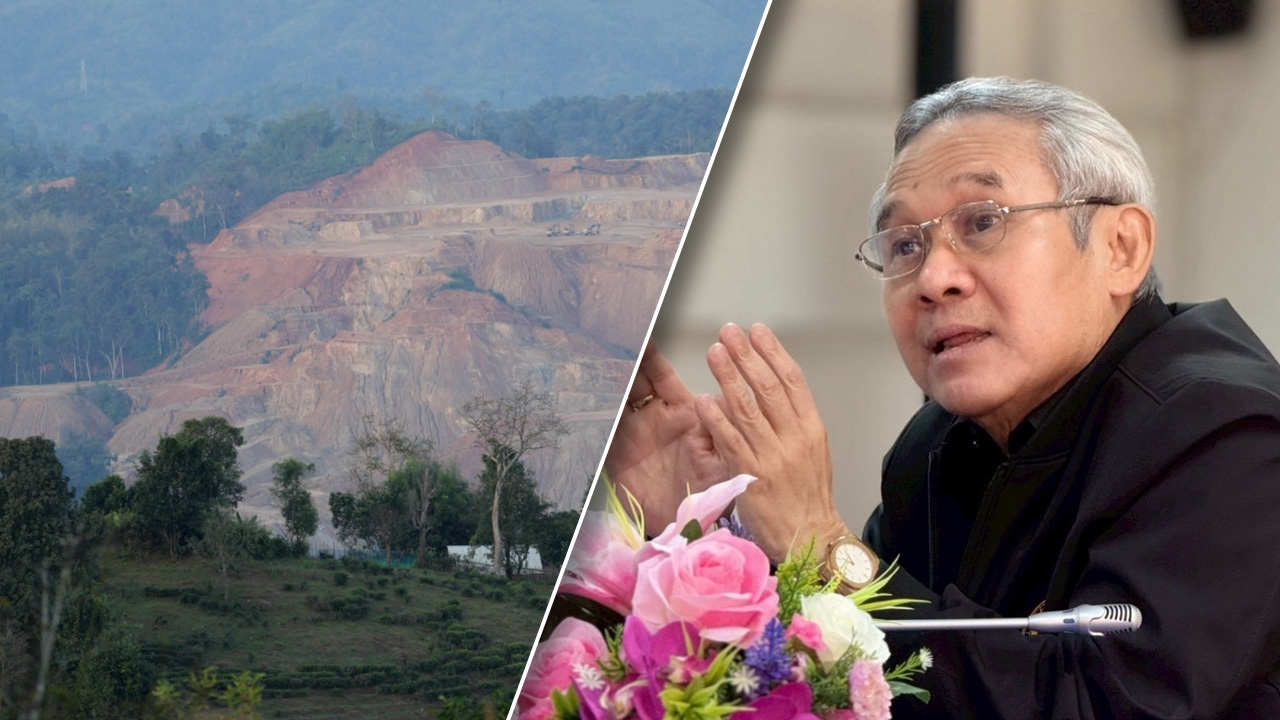
Suradej points out that the pollution crisis affects national security and urges relevant agencies to enforce laws seriously, proposing a 4-step plan to solve the problem: shutting off pollution sources, building incinerators in every province, and joining forces with neighboring countries.
On 24 Nov 2026 GMT+7, Suradej Yasawat, former senator and ex-deputy leader of the Palang Pracharath Party, spoke about Thailand’s current pollution issues affecting air, soil, and water. He noted the problem extends beyond factory fences, spreading through air, soil, and water into food and human bodies. This is not only an environmental issue but also a matter of national security. Air pollution today comes from dust caused by burning, vehicles, and factories, harming Thai health daily. Additionally, illegal burning of electronic and industrial waste releases toxins into the air.
Suradej said soil pollution is especially concerning. From Oct 2025 to Aug 2026, there were 187 cases involving electronic waste, seizing 9.67 million kilograms valued at 234.4 million baht. Between 2017 and 2025, over 380 industrial waste illegal dumping incidents were reported, mainly in Samut Prakan, Samut Sakhon, Prachin Buri, and Chachoengsao provinces. There are also reports of 915 suspicious shipping containers, 18 dumping sites in Prachin Buri, and over 2,000 rai of land purchased in Sa Kaeo province, awaiting official confirmation if used for waste burial.
Suradej added that water toxin levels are critical in many areas, with heavy metals accumulating in river sediments, aquatic animals, and farmland, entering the food chain. Arsenic contamination is found in the Kok, Sai, Ruak rivers, and pollution affects the Prachin Buri River. He stressed the need to urgently investigate and disclose information to the public. Lessons should be drawn from countries like Japan, which suffered Minamata disease from mercury and Itai-itai disease from cadmium, causing lasting damage despite factory closures, and from Guiyu, China, where 81.8% of children under six had elevated blood lead levels.
Suradej stated the government must frankly address pollution sources with the public. For example, electronic waste imports face lax inspections relying mainly on spot checks; some recycling plants lack pollution control systems; small factories are insufficiently regulated; valuable metals in e-waste encourage smuggling; and comprehensive tracking from source to disposal is lacking, despite existing laws including the Factory Act, Hazardous Substance Act, and National Environmental Quality Promotion and Conservation Act. Polluters are supposed to bear cleanup costs and compensate communities, but the problem is not lack of laws, but failure to enforce them effectively.
Suradej proposed the government adopt a comprehensive approach with the single goal of eliminating all pollution types—air, soil, and water—nationwide. This requires declaring it a national agenda with clear measurable targets rather than empty talk. Step one is to shut off pollution sources by using container scanning technology, linking customs data with environmental agencies, reviewing bulk metal scrap imports, enforcing full-chain industrial waste management systems to track senders, transporters, and receivers, with criminal and civil penalties, asset seizures, full restoration cost recovery, and anti-money laundering laws targeting networks. Legislation on electronic waste producers’ full responsibility to disposal is needed. The government must strictly control burning and raise emissions standards for factories and vehicles.
Step two, Suradej said, is that the state must provide legal disposal facilities, building toxic waste incinerators converting waste to electricity in every province. Having legal disposal reduces incentives for illegal dumping while generating power for the grid. Each province should have pollution-filtering towers and real-time air monitoring stations, plus systems to filter toxins and heavy metals in rivers, starting with the Kok, Sai, and Ruak rivers, and Prachin Buri province. Contaminated areas should be excavated and restored, with ongoing soil, water, and food testing, health monitoring especially for children, and compensation for affected people.
Step three, Suradej said, is to empower citizens by teaching them to use self-monitoring tools such as PM2.5 sensors and water and soil test kits, plus incident-reporting apps distributed through schools, community health volunteers, and local governments. He also urged pushing legislation requiring factories to report and publicly disclose their pollutant emissions and transfers, detailing substances and quantities, along with all inspection results.
Step four involves cooperation with neighboring countries since pollution knows no borders. Transboundary haze, arsenic in major rivers, and cross-border illegal waste transport require joint solutions through agreements, data exchange, and coordinated inspections. Success depends on three conditions: 1) designating lead agencies with clear timelines, budgets, and measurable indicators, avoiding inactive committees; 2) enforcing strict standards, with incinerators employing global-level emission controls, continuous monitoring, and transparent results for community oversight; and 3) implementing phased approaches, starting in crisis areas then expanding nationwide, with regular evaluations. Citizens have the right to know if the air they breathe, soil they live on, and water they use are safe.
"The state must answer who imports, who authorizes, who inspects, who is responsible, and who pays for restoration. Thailand must not become anyone’s dumping ground, and people's lives cannot be the cost of business. I emphasize this must be declared a national agenda," Suradej said. Suradej stated