

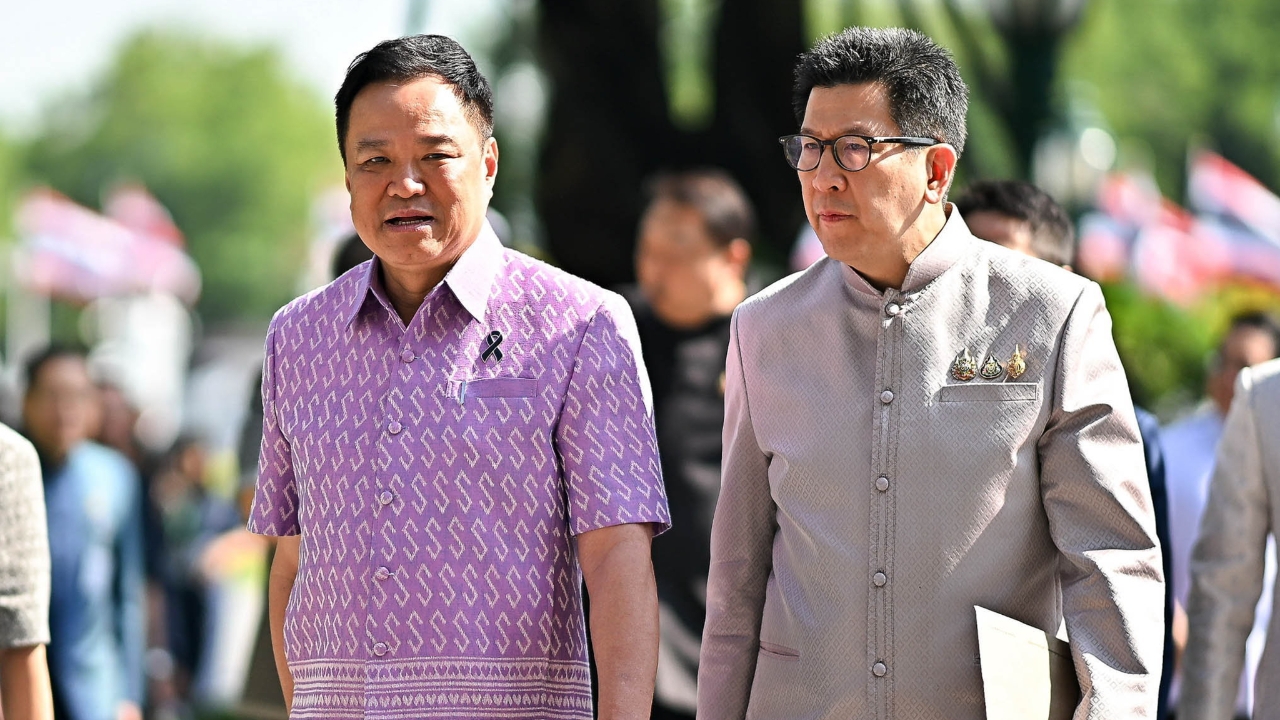
The Cabinet has postponed the early retirement agenda for civil servants and instructed the Public Sector Commission (PSC) and the Budget Bureau to complete the necessary data. Several ministers expressed concern about brain drain to the private sector. The matter will be resubmitted after Deputy Prime Minister Pakorn Nilprapunt returns from abroad.
At 12:55 p.m. on 24 Nov 2026 GMT+7 Mr. Noppadol Pereruek, Secretary-General of the Council of State, revealed at the Government House following the Cabinet meeting regarding the decision to postpone the agenda on the Early Retirement measure for ordinary civil servants. He stated, the meeting instructed the Public Sector Commission (PSC) to reanalyze whether the measure is appropriate, consistent, or if there are other issues, to provide complete information before Cabinet approval.
At the same time, the Budget Bureau was assigned to analyze the cost-effectiveness of the project budget and report back. The timing for resubmitting the agenda to the Cabinet depends on Deputy Prime Minister Pakorn Nilprapunt's return from his overseas mission, so he can consult with the PSC and Budget Bureau before promptly presenting it again to the Cabinet.

Mr. Noppadol added that the meeting discussed that if early retirement is implemented, in the private sector, employees receive a lump sum as appropriate, while in the public sector, they receive pension and gratuity as per law. However, if hiring civil servants under a new model is considered, there might be different approaches. They were asked to study whether it would be contract-based or outsourced. To effectively reduce civil servant numbers while maintaining capability, the best approach should be identified. This was a key reason for postponing the agenda.
According to sources from the Cabinet meeting, towards the end there was extensive discussion on the early retirement measure for civil servants. Ministers expressed diverse opinions, mostly requesting clearer data including numbers, impact figures, and required budgets, for example, Mr. Akeniti Nitithanprapas, Deputy Prime Minister and Minister of Finance, voiced concern that insufficient workforce could affect public personnel. He feared civil servants aged 40-50, who are vital staff, might be lured by the private sector, potentially impacting those agencies. Ultimately, the agenda was postponed so relevant agencies can compile these data for further consideration.