

The Cabinet has approved expanding digital tax service providers for the e-Withholding Tax system to include Non-Bank entities, offering more options for businesses, simplifying procedures, reducing costs, and emphasizing no impact on state revenue.
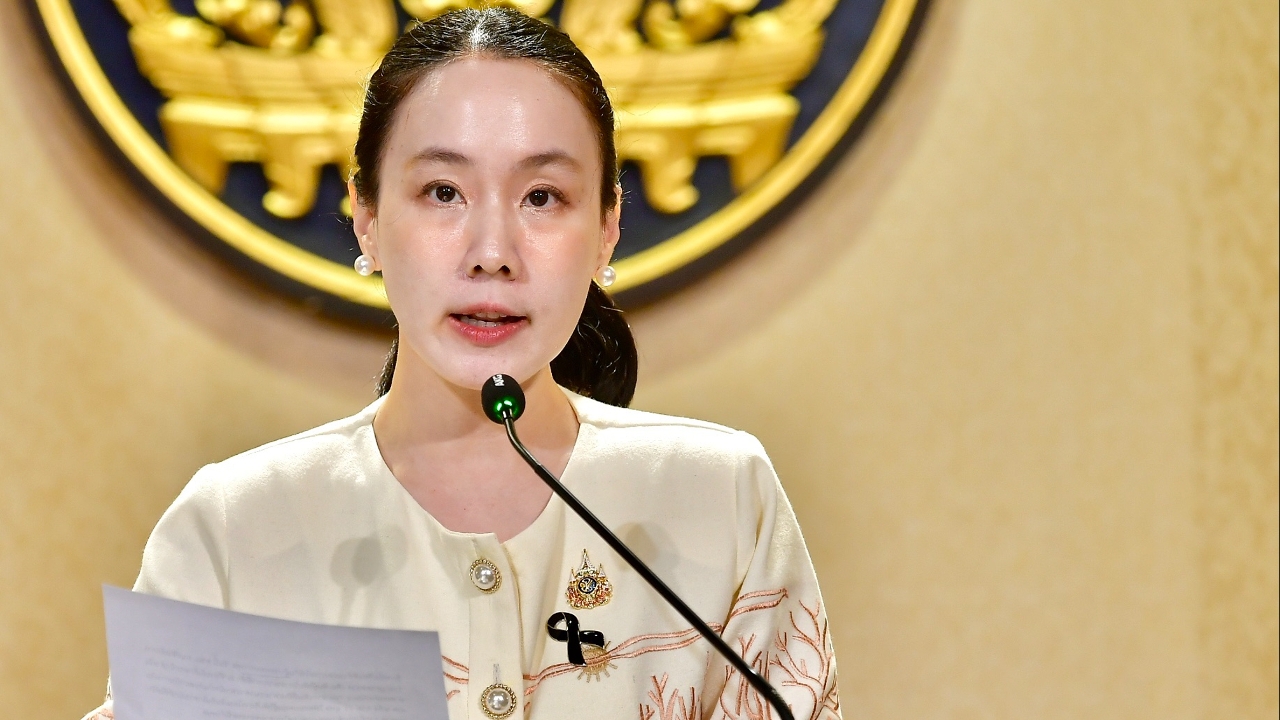
On 24 Nov 2026 GMT+7, Ms. Lalida Pertviwatana, Deputy Spokesperson for the Prime Minister's Office, announced that the Cabinet approved the principle of a draft ministerial regulation under the Revenue Code proposed by the Ministry of Finance. This amendment to Ministerial Regulation No. 364 (2020) expands the scope of electronic withholding tax (e-Withholding Tax: e-WHT) service providers to include authorized electronic money transfer businesses under the Payment Systems Act, as well as the Bank of Thailand (BOT). The aim is to increase tax remittance options, reduce business burdens and costs, and enhance the country's tax collection efficiency.
Ms. Lalida explained that currently, the Revenue Department's e-Withholding Tax system facilitates withholding agents to remit tax payments simultaneously with fund transfers to recipients. Banks act as agents to collect and submit tax payments and data to the Revenue Department, which eases several burdens for businesses, including:
- No need to separately file withholding tax returns.
- No need to remit withholding tax payments manually again.
- No need to prepare or send withholding tax certificates.
- Taxpayers do not need to keep withholding tax certificates.
- Both withholding agents and taxpayers can verify information on the Revenue Department’s website.
Currently, service providers are limited to commercial banks and specialized financial institutions, with 21 providers in total. This restricts businesses that already use other financial or tax service providers from fully accessing the e-Withholding Tax system. Therefore, the Ministry of Finance proposes expanding service providers to align with current business models and digital payment systems.
Ms. Lalida further outlined three key points of the draft ministerial regulation:
1. Expanding e-Withholding Tax service providers to include legal entities authorized to operate electronic money transfer services under the Payment Systems Act, including qualified Non-Bank businesses.
2. Allowing the Bank of Thailand to electronically remit taxes for transactions related to its official duties, such as paying taxable income to foreign businesses or acting as the government securities registrar and paying income to security holders. Currently, BOT withholds and remits about 2 billion baht annually from bond transactions and interest payments.
3. Providing withholding agents with options to remit withholding tax, income tax, and VAT through authorized service providers simultaneously with payment transactions, eliminating separate tax remittance processes.
Regarding regulatory standards for new service providers, the Revenue Department and the Bank of Thailand have consulted since 2025, focusing on provider qualifications, financial stability, IT system readiness, segregated accounts for tax funds, and accuracy in submitting tax data and payments to ensure user confidence and risk prevention.
The Bank of Thailand and other legal entities wishing to be e-Withholding Tax service providers have already tested data submission systems with the Revenue Department and can submit data according to prescribed formats.
The Deputy Spokesperson emphasized that expanding e-Withholding Tax service providers will not reduce state revenue, as it only increases channels and convenience for tax remittance without changing tax rates or granting exemptions. This is expected to increase electronic tax system users, reduce paperwork, lower business tax compliance costs, and improve the Revenue Department’s tax collection efficiency.
Next steps include submitting the draft ministerial regulation to the Office of the Council of State for review, incorporating feedback from the Bank of Thailand. Once effective, the Revenue Department will issue announcements detailing criteria, procedures, and conditions for submitting tax data and payments through the e-Withholding Tax system.
“The government, led by Prime Minister Anutin Charnvirakul, aims to reduce unnecessary business burdens and costs by leveraging digital technology to enhance public services. Expanding e-Withholding Tax service providers will offer businesses more choices to pay and remit taxes in a single step, reduce paperwork, and lower administrative costs while maintaining security and system credibility. This marks an important step in modernizing Thailand’s tax system to align with the digital economy,” said Ms. Lalida. Ms. Lalida concluded.