

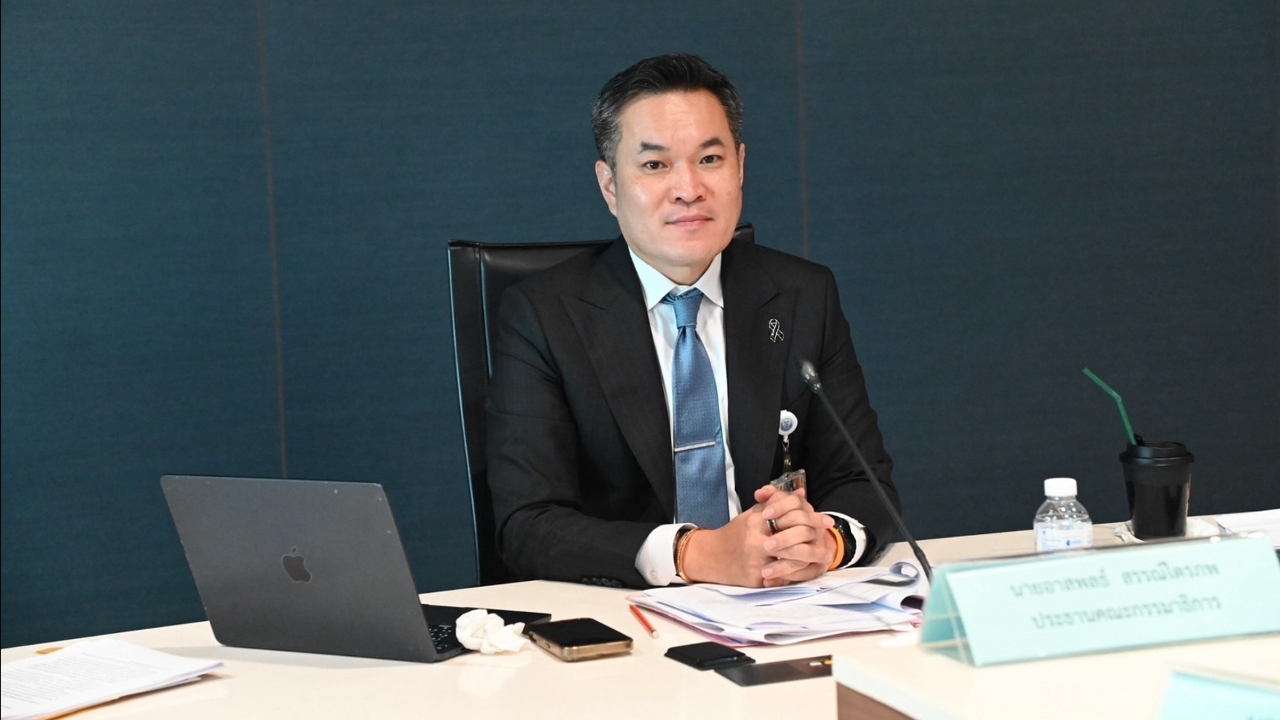
"Asapol" promotes a new local examination model by assigning the Office of the Civil Service Commission (OCSC) to oversee Part A, establishing uniform standards nationwide. The law aims to close loopholes in exam corruption and advises the central committee to issue regulations within 180 days.
On 25 Nov 2026, Mr. Asapol Santraiphop, Member of Parliament for Sisaket from the Bhumjaithai Party and Chairman of the House Committee on Anti-Corruption, spoke about the unanimous approval by the House of Representatives of the draft Local Personnel Administration Act (No. ...), B.E. ..., which the committee has reviewed. He said the law amendment was made for all citizens, including MPs and senators. They held thorough discussions because they do not want exam corruption to occur again in the future and urged the public to continue monitoring their representatives' work.
The Anti-Corruption Commission chairman stated that once the law is published in the Government Gazette, it will take effect the next day. Therefore, the central committee must finalize all criteria within 180 days. Consequently, future competitive exams and transfers will have clear rules and regulations starting next year. Furthermore, Part A exams will be conducted by the Office of the Civil Service Commission, which designs the exam questions, to ensure standardized testing nationwide. Part B, covering specific knowledge and skills, will be organized by provincial committees together with local authorities in each province. Part C interviews will be conducted by local authorities with external experts or specialists serving as interview committee members.
"Besides exam organization, an important aspect of this law, which includes eight sections, is: 1. the repeal of NCPO orders, 2. revision of civil service entrance exam rules, and 3. addressing transfer issues, which have also been problematic. The amendment empowers the central committee to set rules on transfers to prevent bribery and lobbying, problems that have persisted over time. This legal reform aims to prevent corruption from recurring in the future." The chairman of the Anti-Corruption Commission added further remarks.