

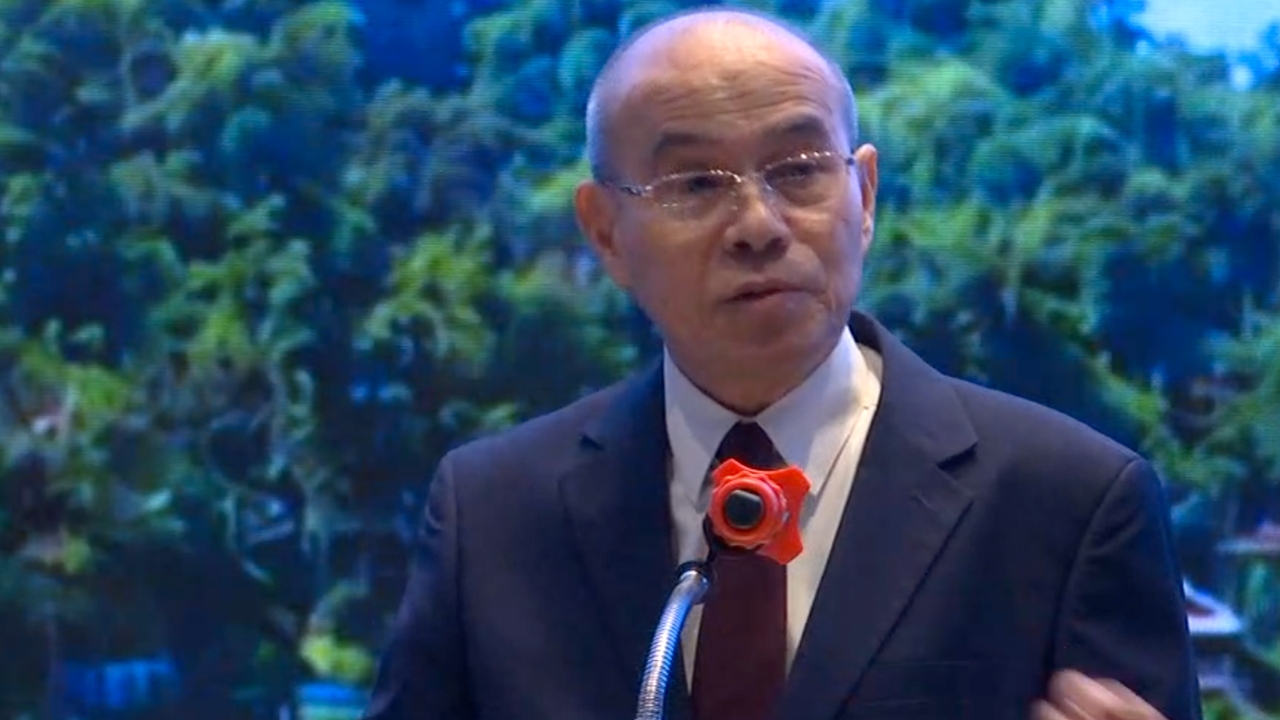
The Thai-Myanmar working group held smooth discussions to establish four teams for joint toxic substance inspections at eight points on both sides. The Director-General of the Pollution Control Department revealed that the Myanmar government does not block mine inspections and is planning joint field visits in December.
On 26 Nov 2026, Mr. Surin Woratithamrong, Director-General of the Pollution Control Department, said in an interview after the first meeting of the Joint Working Group (JWG) on water quality management of border rivers and transboundary rivers between Thailand and Myanmar, as well as a workshop activity, that the working group is divided into four areas: sampling, source investigation, health, and community participation. The discussions between the two countries went well, with agreement on joint field operations. Future talks will cover sampling of water, soil, fish, and health for both Thai and Myanmar sides.
The working group has designated approximately four points in Myanmar and four points in Thailand to monitor toxic substances in the river. The exact locations are being finalized. The two countries will share data and investigate various causes, with plans for joint fieldwork in December and no later than January. Both sides agreed on Standard Operating Procedures (SOP) to ensure consistent working methods, such as what must be shown when photographing samples, to reassure both parties. The focus will begin with water quality, prioritizing water, health, sediment, fish, and plants.
Regarding whether joint water quality inspections at each point will extend to other areas, Mr. Surin said the selected points are close to their targets believed to be affected. Sampling will cover upstream sources and be conducted simultaneously, allowing them to clearly understand the connections. This is beneficial because once the origins are known, future work will be simpler.
Mr. Surin also said they are currently discussing the quality of the Kok, Sai, and Ruak rivers first, with plans to expand cooperation to the Salween and Mekong rivers after further discussions. When asked if this meeting could lead to investigations of pollution sources or other causes, Mr. Surin confirmed it would, noting the meeting was positive, with high-level Myanmar representatives attending, including the governor of Shan State.
Regarding mine inspections, Mr. Surin confirmed that Myanmar authorities did not refuse and are willing to allow inspections. However, the process is currently at the working group stage and will need approval from senior officials of both countries. Official diplomatic talks through the foreign ministries will follow.
When asked about the likelihood of closing mines as requested by Thai authorities, Mr. Surin said mine closures are a further step. Actual work requires understanding the conditions of the mines first, but if alternatives are possible, they agree.
On how to address the different standards between Myanmar and Thailand, Mr. Surin said that on 25 Nov 2026, they clearly discussed standards—whether 0.01 in Thailand or 0.05 in Myanmar. He sees this as just a starting point. For example, water samples will identify risky points, which other agencies can then address. He assured that differing standards will not cause problems later.
"Standards are just standards, but what matters is the condition of fish in the river, vegetables, and people's health. For instance, high soil values do not necessarily mean the fish there are affected. The Fisheries Department must check the fish, and high soil values do not automatically affect rice crops. This is a scientific approach. Some points show high values at times but do not mean fish or rice are harmed. Therefore, the government agreed to build confidence: areas with real problems will be marked with red flags for remediation; safe areas will be given green flags to assure the public. The Ministry of Agriculture inspects, and the Ministry of Commerce confirms there are no issues, and middlemen do not lower prices. This is what the government is doing," Mr. Surin said.
Regarding additional field visits by Deputy Prime Minister and Foreign Minister Sihasak Phuangketkaew and Deputy Prime Minister and Minister of Higher Education Yotsanan Wongsawat, it is expected to kick off activities within the Joint Working Group. They will collect water samples, report problems, and monitor warnings to prevent recurrence.
Mr. Surin said he will also have the opportunity to visit the Tha Khilek area in Myanmar but discussions are ongoing. On uncontrolled mine issues, he said the working group is discussing sources, which are multiple, and there was no denial regarding mine sources.
When asked if some mines are outside Myanmar government control, possibly causing Myanmar to appear indifferent, Mr. Surin said this is a matter between countries under ongoing talks. However, Myanmar authorities have shown sincerity and acknowledged the problems, though they have never previously tested water, vegetables, or fish quality.
"As the Permanent Secretary of the Ministry once said, water is only the starting point. We must also examine soil, plants, vegetables, fish, and care for people. They agreed and did not refuse, but the Terms of Reference (TOR) has broadened. After Prime Minister Anutin spoke with Min Aung Hlaing, the focus should not be only on water but also on public safety. This adds variables but benefits Thailand, leading to this additional discussion," Mr. Surin said. .
On whether the government will require pollution sources to pay compensation, Mr. Surin said this will be discussed within the pollution control zone and many measures will follow. Public opinion from local communities is key to incorporating their demands into national plans, with governors managing the process. He assured this will not harm the economy because pollution control zones will improve it. For example, green-red flag measures will reassure people that water is clean and plants and fish are safe to eat.
"I believe if we can agree and the area feedback leads to a good plan, this will strengthen the economy. Currently, uncertainty is the main issue. The government has consistently said clear communication is essential. I understand everyone's concerns are normal, but please be assured the government is serious. The Prime Minister leads and speaks clearly. If we are determined, success is certain. We acknowledge concerns but must overcome them," Mr. Surin said. Mr. Surin concluded.