

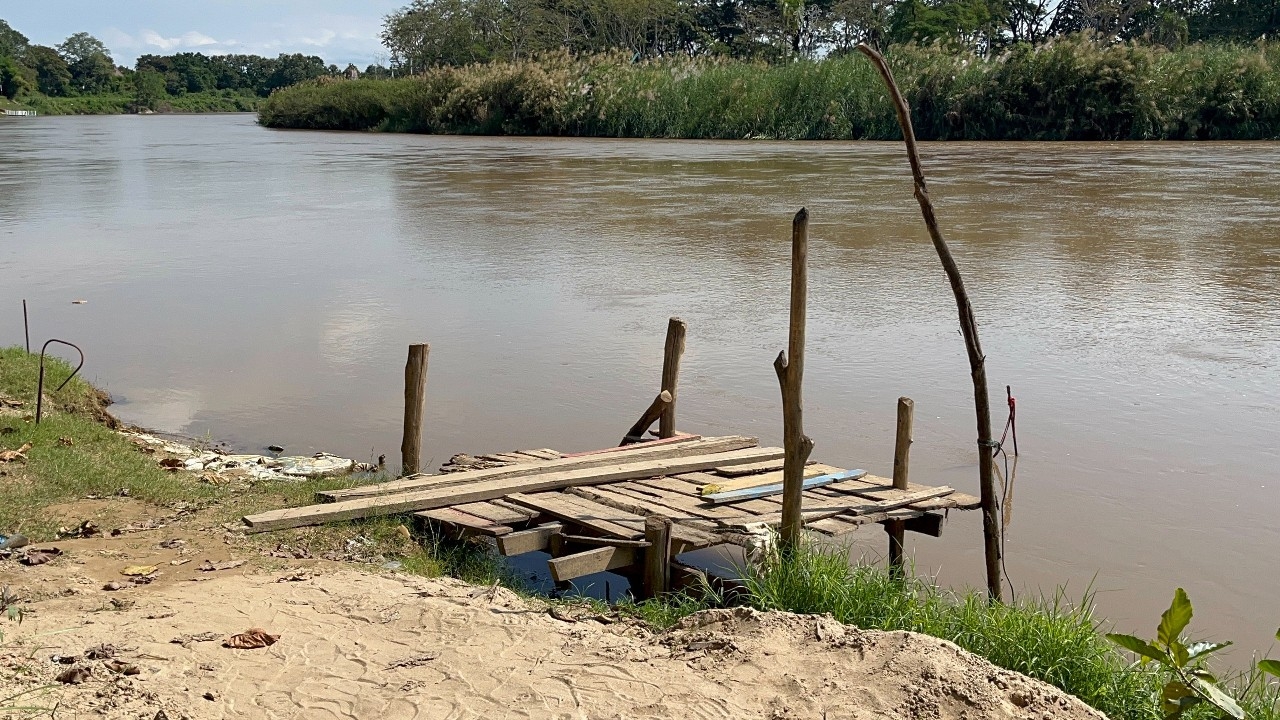
The government is accelerating the development of clean water sources to replace the Kok, Ruak, and Salawin river basins, aiming to reduce risks from toxic contamination. Four projects in Chiang Rai are scheduled to begin construction this December, increasing the water supply by more than 1.84 million cubic meters.
On 29 Nov 2026 GMT+7, Ms. Lalida Pertwiwatana, Deputy Spokesperson of the Prime Minister's Office, stated that under Prime Minister Anutin Charnvirakul's leadership, the government is concerned about the hardships faced by residents in the Kok, Ruak, and Salawin basins due to toxic contamination in natural water sources, which affects consumption and agriculture. Minister of Natural Resources and Environment Suchat Chomklin has instructed the Department of Water Resources to urgently find and develop quality surface water sources to serve as alternative supplies, reducing reliance on rivers vulnerable to toxic pollution.
Recently, the Department of Water Resources assigned the Office of Water Resources Region 1 (OWR1) to urgently implement a plan addressing cross-border pollution in the three key basins: Kok, Ruak, and Salawin. The focus is on developing surface water sources and distribution systems to provide residents with quality, sufficient alternative water for consumption and agriculture.
Ms. Lalida added that in the initial phase, the Department of Water Resources plans to start construction in December 2026 on four projects in Chiang Rai province, including:
1. The Solar-Powered Water Distribution System Project at Rong Jok, Chiang Saen District.
2. The Ban San Sai Ngam Project, Wiang Chiang Rung District.
3. The Ban Muang Nim Project, Mueang Chiang Rai District.
4. The Ban San That Mai Phatthana Project, Chiang Saen District.
Once completed, these projects are expected to increase water supply by over 1.84 million cubic meters, benefiting 350 households and supporting 100 rai of agricultural land.
For selecting alternative water sources, the Department of Water Resources considered raw water that meets surface water quality standards types 2 and 3, with a Water Quality Index (WQI) ranging from fair to good, as well as raw water quality according to World Health Organization (WHO) guidelines, before proceeding with water treatment to make it suitable for use.
The development of alternative surface water sources is part of the government's broader measures, which also include surveying and drilling groundwater wells, monitoring water quality and public health, and promoting cooperation between Thailand and Myanmar.
“The government is addressing cross-border pollution by tackling the source while simultaneously alleviating local hardships without waiting for international negotiations to conclude. The expedited development of the four surface water projects starting this December is a concrete step following the Prime Minister's directive to provide quality alternative water sources, reduce risks of toxic exposure, ensure water security, and help citizens live and work with greater confidence,” Ms. Lalida said. Ms. Lalida added.