

Dr. Supat Hasuwannakit, Director of Saba Yoi Hospital, recommended that after floodwaters recede, authorities must promptly establish a system for "corpse management" and forensic services. He pointed out that casualty figures must be reported truthfully to enable planning that reduces future risks.
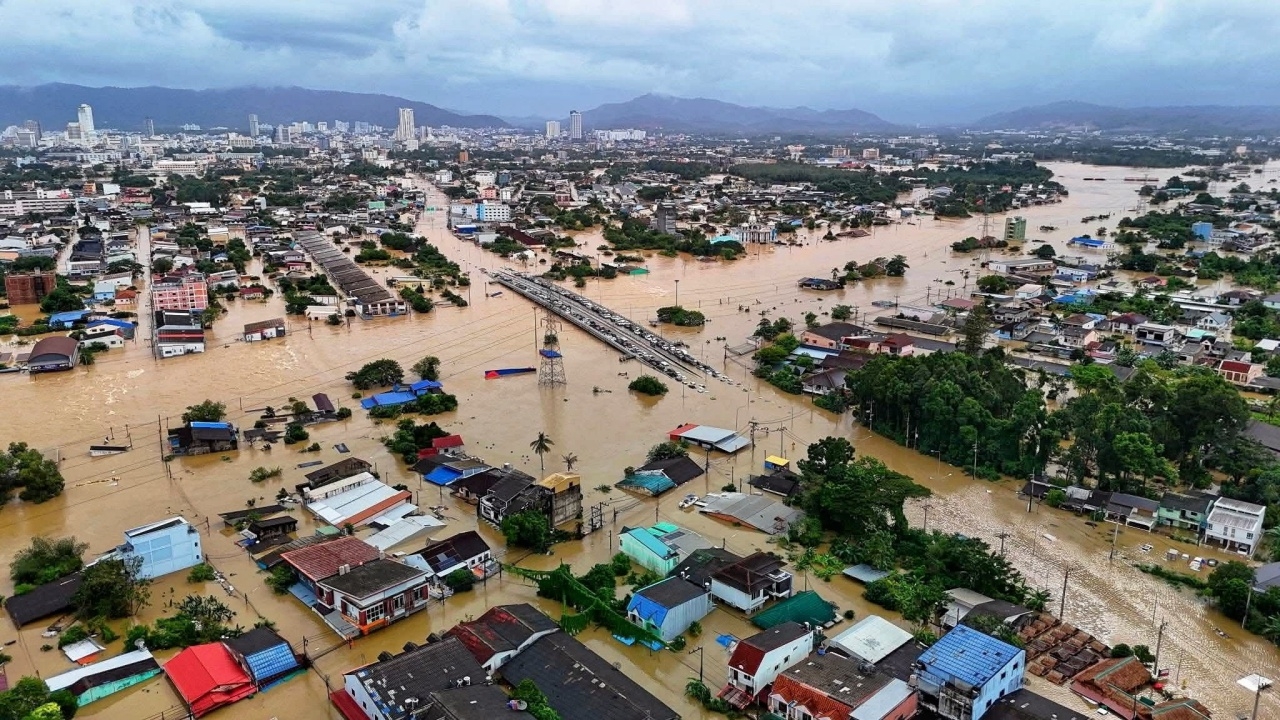
On 27 Nov 2025 GMT+7, regarding the flood situation in Southern Thailand, particularly in Hat Yai District, Songkhla Province, where water levels have been steadily decreasing in many areas, reports have begun to emerge showing damage to buildings, vehicles, and news about affected people and fatalities.
Dr. Supat Hasuwannakit, Director of Saba Yoi Hospital, posted about "Corpse Management: Another Important Issue Awaiting System Development." He stated that this morning, clear systems and guidelines must be established so grieving relatives do not suffer further. They should not have to drive around searching for bodies at various temples or call multiple hospitals only to face confusion and unhelpful responses. Searching for unreachable relatives, especially elderly bedridden or ill ones who may have died but whose bodies were already moved, will deepen sorrow without a good system to support these processes.
The 2025 Southern Flood Disaster water levels are receding. Besides assisting flood victims with food, drinking water, wound care, medication, traffic management, and restoring communication systems, an equally important challenge is "corpse management." This flood caused extensive loss, with possibly hundreds of deaths in Hat Yai and surrounding areas. Thus, establishing corpse management and forensic systems is crucial because local hospitals cannot handle the volume.
When rescuers or the public find bodies, whether identified or not, is there a centralized corpse management point? What is the registration procedure? Where will bodies be stored and examined? How many locations will there be? There will likely be insufficient refrigerated storage. Relatives will come to view bodies; some may want to take them for ceremonies immediately, others may request to send them collectively. How will religious rites be managed? Especially for bodies without known relatives, thorough forensic identity verification is essential. Without proper management, this will cause further distress and deepen the tragedy.
For those who died at home from illness rather than drowning and could not reach hospitals, what is the plan for managing these cases? Data collection and tallying are necessary to learn lessons for the future.
Losses in all hospitals caused by inability to transfer patients, power outages, oxygen shortages, or other preventable factors should be recorded to help develop systems that reduce such risks going forward.
Debates over casualty figures will also be significant. Truth must prevail. Truth cannot be concealed. Only accurate, systematic, and unbiased data collection will maintain public trust. This morning, 27 Nov 2025 GMT+7, as waters recede, there should be an announcement establishing a "system for corpse and casualty management."
Information sourced from the Facebook page of Dr. Supat Hasuwannakit.