

For National Children's Day 2026, a doctor advises on how to care for children, emphasizing safety precautions and comparing the advantages of indoor and outdoor outings.
On 10 January 2025 GMT+7, Dr. Sirirak Kanjanatheerapong, a pediatric allergist and immunologist at the child health department of Navavej Hospital, explained about "the benefits, precautions, and care methods" to help properly and appropriately care for children during National Children's Day 2026.
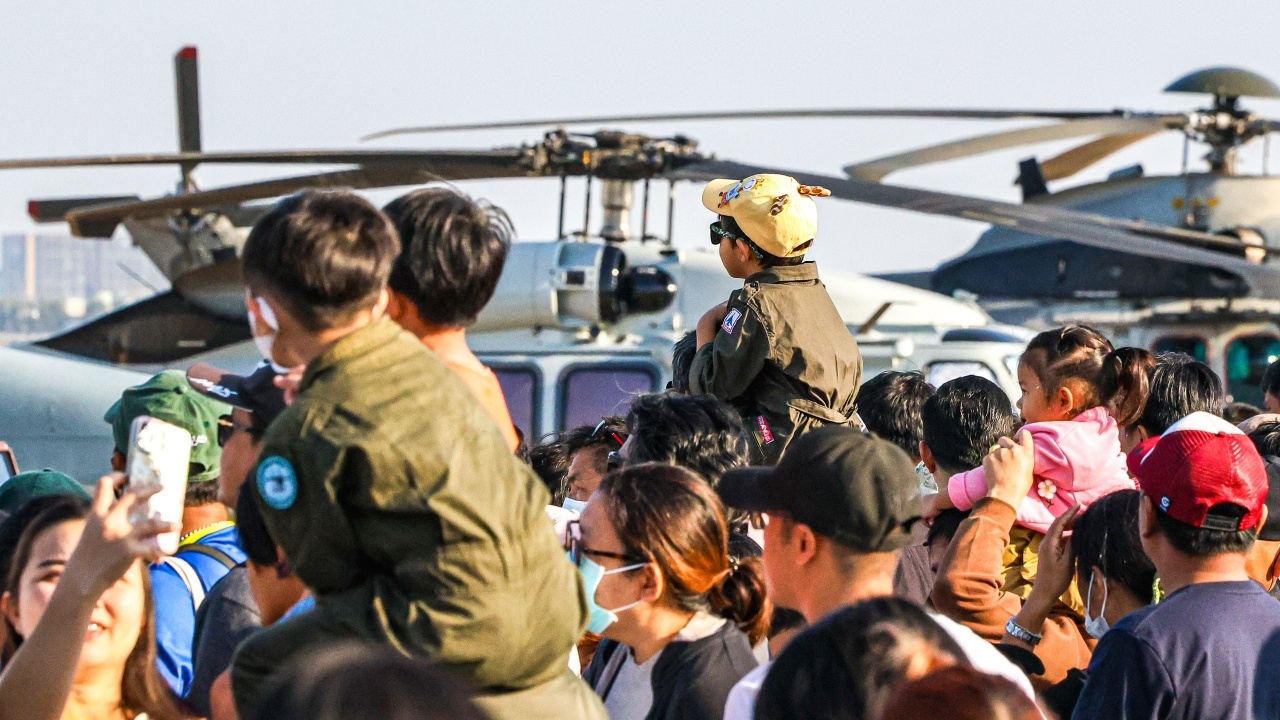
Event venues for Children's Day include indoor locations such as children's museums, TV stations, radio stations, royal colleges, Phayathai Palace, hospitals, and various universities; as well as outdoor open spaces like the Thai Red Cross Society, learning parks, air force and navy bases, ecological learning centers, and zoos. Therefore, child care varies accordingly.
Advantages: No worries about changing weather conditions such as thunderstorms, strong winds, heat, or cold, and reduced concerns about inhaling or contacting PM 2.5 dust.
Precautions: Crowding in enclosed spaces may increase the spread of respiratory infections like the common cold, flu, RSV, COVID-19, and pneumonia, which transmit easily through respiratory secretions, coughing, and sneezing, especially in poorly ventilated rooms. Indoor activities often involve shared touching of objects, raising risks of contact-transmitted infections such as herpangina and hand, foot, and mouth disease.
Care recommendations: Children should wear face masks at all times, maintain a distance of at least 2–3 meters from others, frequently wash hands with soap or use alcohol gel, and clean shared surfaces when possible.
Advantages: Outdoor events are less crowded than indoor ones due to unlimited space, allowing people to spread out across activities. The open air allows better ventilation and reduces contact with shared materials.
Precautions: Weather changes such as heat, cold, wind, and storms can cause discomfort if clothing is inappropriate—too thick clothing may cause sweating and irritation, leading to rashes or allergic reactions. Excessive sun or rain exposure may cause colds, sunstroke, or heatstroke if not well protected. In forested areas, insects like ants and other bugs may bite or sting, possibly causing conjunctivitis, red eyes, or skin inflammation.
Care recommendations: Wear face masks and other protective gear such as hats, sunglasses, umbrellas, or breathable long-sleeved clothing for changing conditions. Maintain physical distancing of at least 2–3 meters during activities. Frequently wash hands with soap or alcohol gel, clean shared surfaces when possible, and carry necessary topical medications like insect repellents.
However, whether visiting indoor or outdoor events, areas for resting, queuing, or using public restrooms can still be crowded and involve direct contact, which is hard to avoid—such as eating provided food or dining at restaurants not prepared by parents. Therefore, guardians should observe the following.
Precautions: Since Children's Day events occur in January during Thailand's winter season, there is often an outbreak of gastrointestinal viruses like rotavirus and norovirus, which cause diarrhea and intestinal inflammation. These viruses spread easily with a short incubation period, leading to symptoms including nausea, vomiting, abdominal cramps, bloating, and diarrhea, potentially causing severe dehydration.
Care recommendations: Consume freshly cooked food and use personal eating utensils brought from home, such as spoons, forks, and cups. For young children, carrying a personal water bottle is best. If sharing food, always use a communal spoon. Wash hands thoroughly with soap and water or use alcohol gel before and after eating, drinking, or handling snacks. Also, regularly clean hands before and after touching common surfaces involved in activities.
Beyond health and disease prevention, ensuring children's safety during outings also requires other precautions. Wearing comfortable, well-ventilated clothing suitable for the weather benefits children. Guardians should check weather conditions before traveling. Using name tags or wristbands with emergency contact information and medical details is important. Always carry children's essential medications for chronic conditions such as food allergies or respiratory diseases. Children should avoid carrying valuables like phones, iPads, or jewelry for their own safety.