

Dr. Jiruj summarizes the understanding of the Nipah virus (NiV) in 6 points: symptoms resemble the flu, no specific vaccine or treatment exists yet, and he advises on symptoms to monitor and prevention methods.
On 24 January 2026, Dr. Jiruj Chomchoey, a pediatric respiratory specialist, posted a summary about the Nipah virus (NiV). He summarized it in 6 points.
He stated that, following news of five continuous Nipah virus infections and over 100 people quarantined in India, he would like to provide a basic summary about this virus as follows.
1. What is this virus?
It is an RNA virus from the Paramyxoviridae family, Henipavirus genus (the same group as the Hendra virus).
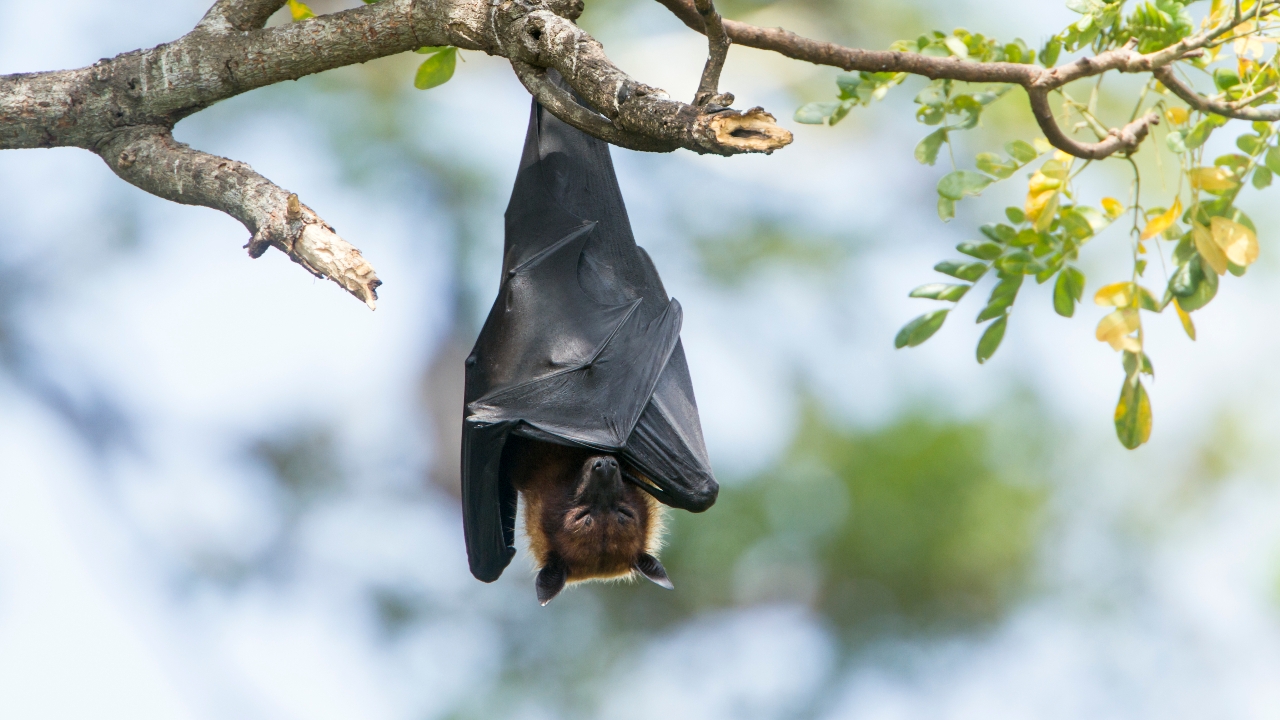
2. Reservoir and transmission
3. Pathogenesis (disease mechanism) The virus causes inflammation of blood vessels throughout the body, leading to tissue damage, encephalitis, and severe pneumonia.
4. Symptoms to watch for
5. Prevention (most important)
6. Update on the situation in India (as of January 2026)
Recent outbreak hotspots are in West Bengal and Kerala states.
He emphasized that there have been no cases reported in Thailand yet. The basic reproduction number (R0) of the Nipah virus is estimated at about 0.48 (average less than 1). For comparison, COVID-19 is 9.5, RSV is 3, and influenza is 1.3, indicating a much lower transmission rate.
#DrJiruj Knowledge: R0 means the average number of people one infected individual can transmit the virus to, assuming no immunity and no preventive measures.