

Comparing Nipah virus: It is less contagious than COVID-19 but has a higher fatality rate, along with recommended prevention methods, despite no reported outbreaks in Thailand.
The world is closely watching after reports of infections and deaths from the Nipah virus in India. Although there have been no reports of outbreaks in Thailand, many are concerned about a potential repeat of the COVID-19 scenario.
Pathogen.
Nipah virus: An RNA virus belonging to the Paramyxoviridae family, Henipavirus genus (the same group as Hendra virus).
COVID-19: A respiratory disease caused by a coronavirus.
Symptoms.
Nipah virus: Initial symptoms resemble the flu, including high fever, severe headache, muscle pain, and sore throat.
In severe stages (when the nervous system is damaged), symptoms include dizziness, confusion, seizures, difficulty breathing, loss of consciousness, or coma within 24-48 hours (with a high fatality rate). Survivors may have lasting neurological issues such as personality changes or ongoing seizures.
COVID-19: Symptoms include fever and respiratory issues. Most patients experience fever, cough, sore throat, and difficulty breathing. Some may develop severe pneumonia leading to death.
Disease transmission.
Nipah virus: Less contagious than COVID-19 because it does not spread easily through airborne transmission but requires direct contact with bodily secretions.
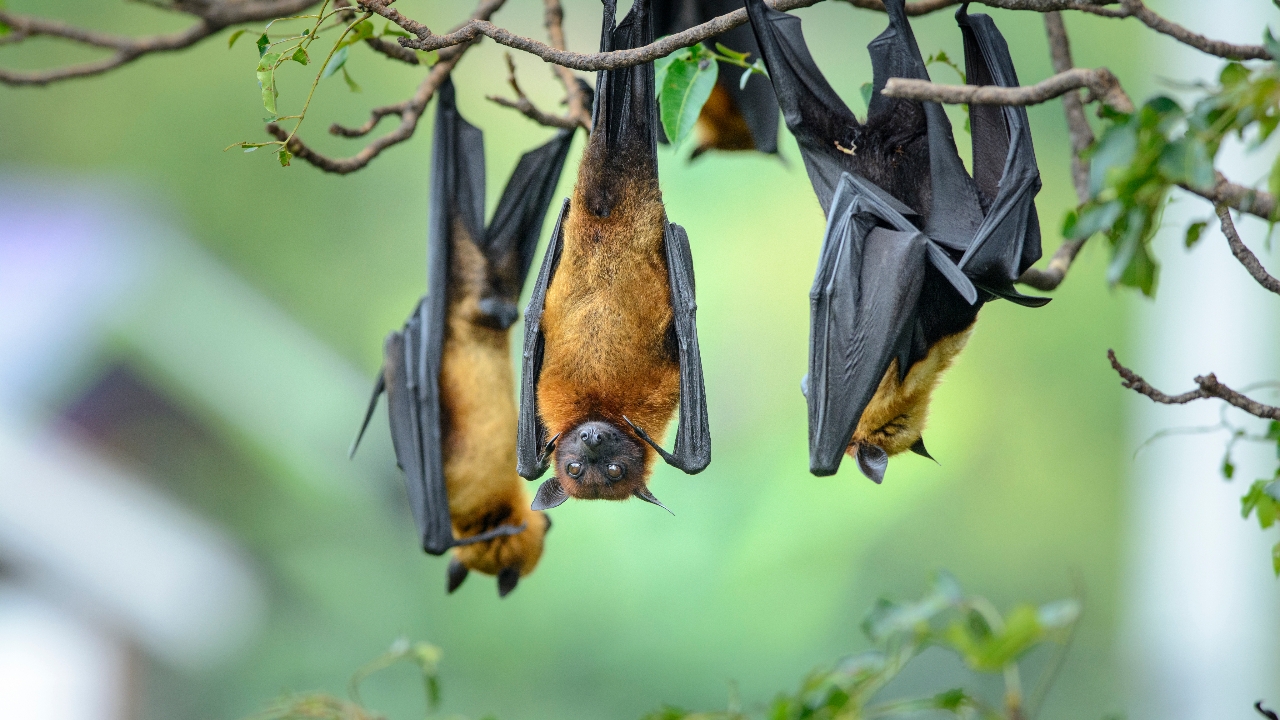
Animal-to-human transmission. Fruit bats are the natural hosts and can spread the virus through contact with secretions of infected animals like pigs, or by consuming food contaminated with bat saliva or urine. Human-to-human transmission occurs through close contact.
Human-to-human transmission. Occurs via contact with bodily fluids such as blood or saliva from infected individuals.
COVID-19: Spreads from person to person via droplets from the nose or mouth expelled when coughing or sneezing. Infection occurs by inhaling these droplets or touching contaminated surfaces and then the face.
What alarms the world about Nipah virus is its severity. Outbreak statistics show a case fatality rate of 40% to 75%, depending on the medical capacity of the area, which is much higher than COVID-19.
Currently, Thailand has no reported human Nipah virus infections, but the Department of Disease Control has classified it as a dangerous communicable disease for strict monitoring, especially after cases were reported abroad, such as in West Bengal, India. Thailand has increased screening of travelers from high-risk areas. India previously experienced Nipah outbreaks since 2001, and the virus has also caused outbreaks in ASEAN countries like Malaysia, the Philippines, and Singapore.
There is currently no vaccine for humans. The best prevention is to reduce the risk of exposure to the virus.
Information from Department of Biology, Faculty of Science, Chulalongkorn University,Department of Disease Control, Ministry of Public Health,,Dr. Jiruj