

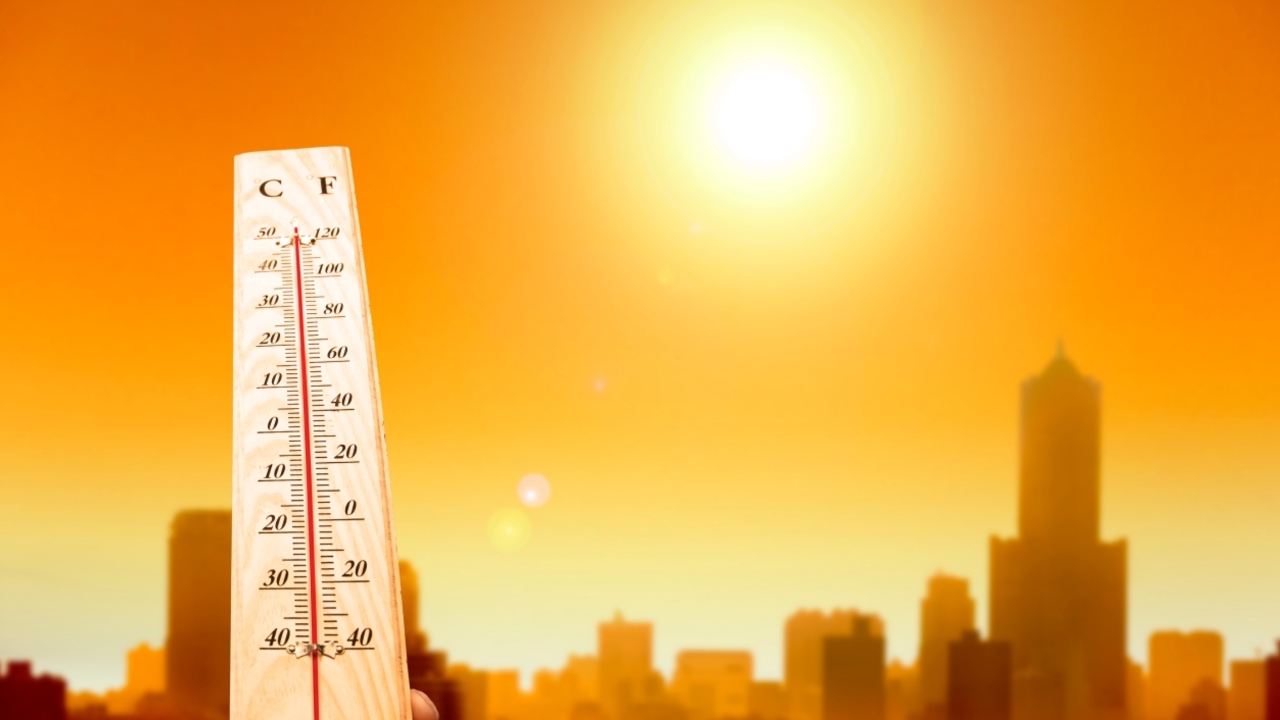
Experts Warn This Years Summer Is Very Dangerous Due to Intense UV Rays, Skin Cancer Risk

Experts warn that this summer's UV rays will be intense, increasing the risk of skin cancer. They advise avoiding sun exposure especially between 10:00 a.m. and 4:00 p.m. and recommend drinking clean water more frequently to stay hydrated.
On 5 Mar 2026 GMT+7, Associate Professor Sonthi Kotchawat, an expert in environment and health and member of the Environmental Scholars Association, posted on his personal Facebook page.Sonthi Kotchawat. Regarding this summer, the UV radiation is very intense and poses a risk of skin cancer.
He stated that the World Meteorological Organization (WMO) reported that during the 2026 summer in the ASEAN region, UV radiation is expected to be mostly at "Very High" to "Extreme" levels, especially from March to May, when sunlight hits areas near the equator most directly.
UV index levels in Thailand are generally forecasted to reach 11-12+ around noon in April, classified as "Extreme" (purple color) according to the World Health Organization (WHO) standards. The most intense period, rated "Very High" or level 10, is expected between 11:00 a.m. and 4:00 p.m. in March and May.
- include premature skin aging, as high levels of UV-A rays penetrate deep into the skin, causing wrinkles, dark spots, and loss of elasticity (Premature Aging).
- Skin can burn very quickly, with unprotected skin potentially burning in less than 5-10 minutes.
- UV radiation can suppress the immune system, as excessive exposure reduces the body's ability to fight various diseases.
- There is an increased risk of skin cancer, as continuous exposure at these UV levels directly damages the DNA of skin cells, which is the main cause of all types of skin cancer, including the most severe form, Melanoma.
- for skin protection note that unprotected skin may burn in less than 15 minutes when the UV index is 11+. It is advised to use sunscreen with SPF 30+ and PA+++ or higher.
- Clothing recommendations include wearing fully covering clothes, wide-brimmed hats, and sunglasses that block 99-100% of UV rays.
- Regarding hydration, in 2026 there is a warning about heatwaves occurring alongside high UV levels, so it is important to drink clean water more frequently to prevent dehydration and heatstroke.
- Avoid sun exposure especially between 10:00 a.m. and 4:00 p.m., when UV radiation is strongest.