

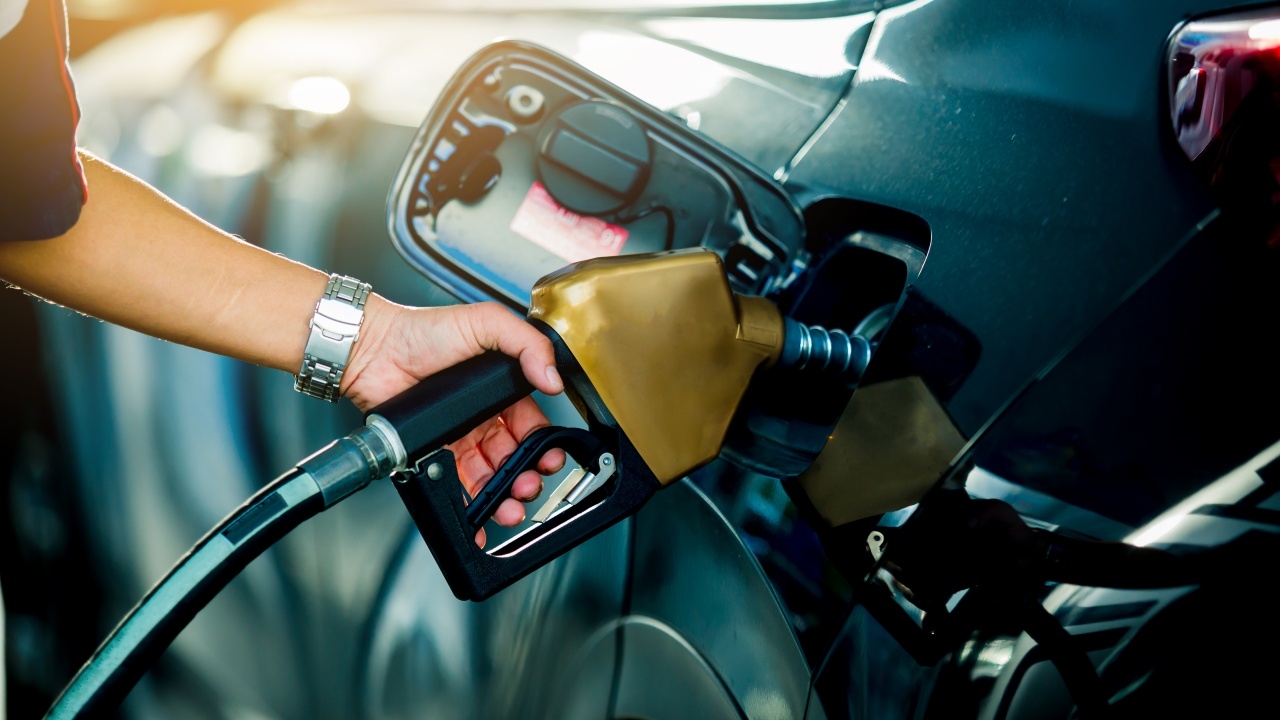
The Cabinet plans to intensify energy-saving measures by closing gas stations and avoiding electricity use for advertising signs after 10 PM to address the worsening Middle East crisis.
On 10 March 2026 GMT+7, Ms. Airin Panrit, Deputy Spokesperson of the Office of the Prime Minister, announced that the Cabinet acknowledged energy reduction measures for government agencies proposed by the Ministry of Energy. These aim to prepare for volatile global energy prices and to minimize economic and living cost impacts on the public.
Due to geopolitical tensions, especially in the Middle East—a key global energy production and transportation region—oil and energy prices remain continuously volatile. The government is closely managing national energy resources. The Ministry of Energy has established the Energy ICS Center to closely monitor the energy situation and prepare measures to address any impacts on the country's energy supply.
Meanwhile, the government has tasked the Public Relations Department to coordinate with television, radio stations, and social media to promote energy conservation across all sectors during the crisis. Should the situation escalate to affect energy supply, mandatory measures will be proposed, such as avoiding electricity use for advertising signs, shop signs, cinema signs, and business premises from 10 PM onwards. Gas stations will be required to close by 10 PM, except those on main highways.
If fuel use can be reduced by about 5%, it would save approximately 330,000 liters per month, equivalent to about 10.45 million baht monthly. Similarly, a 5% reduction in electricity use would save around 31 million units monthly. These measures aim to promote efficient energy use, reduce government energy expenses, set an example for other sectors, and strengthen the country's long-term energy security.