

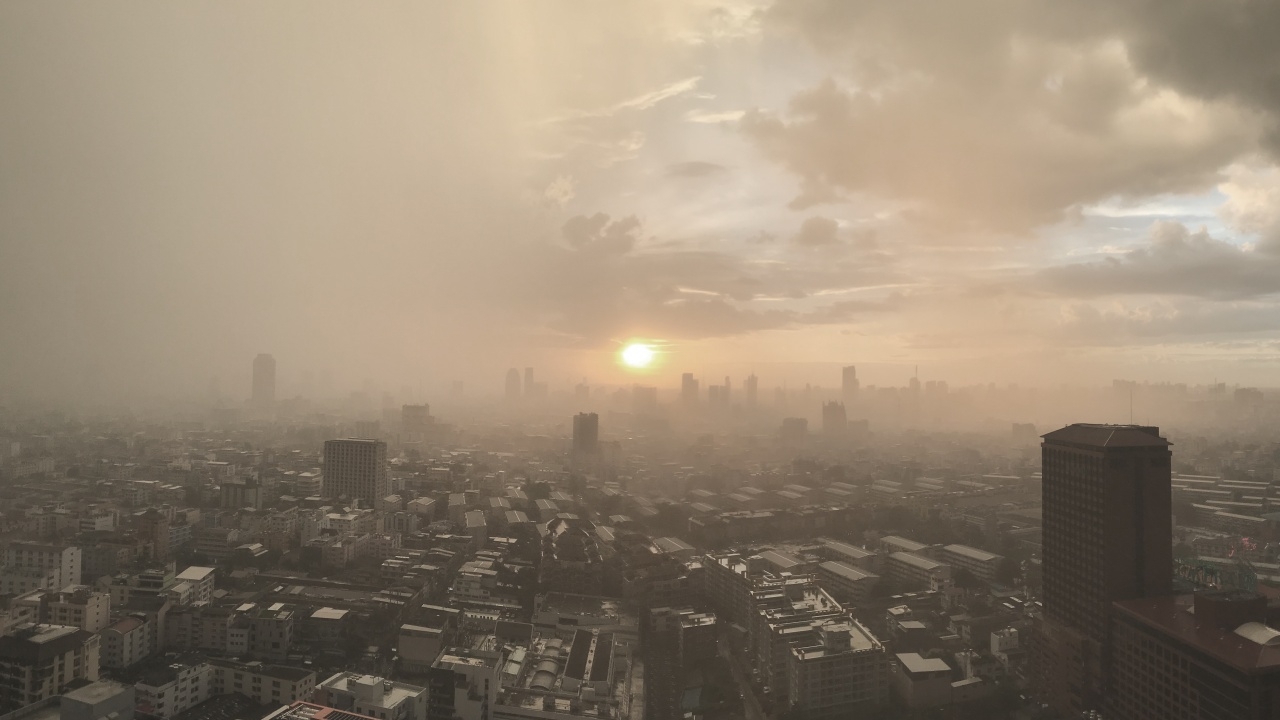
A silent threat close to home PM 2.5 dust levels continue to rise, remain at a watch level; common symptoms identified, with recommended ways to relieve various symptoms
On 31 Mar 2026 GMT+7, Dr. Akaratan Jitnuyannon, Deputy Director-General of the Department of Medical Services, stated that Nopparat Rajathanee Hospital, under the Department of Medical Services, warns the public to monitor PM 2.5 dust—a silent threat present both outdoors and indoors. Sources include agricultural burning, engine emissions, and household activities. Though invisible to the naked eye, these particles can penetrate the body and cause long-term health effects on the respiratory system, skin, eyes, and increase risks of cardiovascular diseases.
Currently, PM 2.5 levels require close monitoring. Data from the online pollution clinic show up to 30% of patients experience respiratory and eye symptoms, followed by 15% with ear, nose, and throat issues, and 8% with skin and cardiovascular symptoms. Common complaints include coughing, throat irritation, eye stinging, and itchy rashes, which can be eased by reducing dust exposure, wearing protective masks, avoiding symptom-triggering foods, drinking warm water, and getting adequate rest. During this high PM 2.5 period, relief methods include:
1. Respiratory system: To ease coughing and sore throat, avoid dust exposure indoors and wear masks outdoors. Avoid spicy, fried, and fatty foods. Drink warm water, ginger tea, or lemon mixed with honey. Consuming sour fruits like lemon and Indian gooseberry and herbs that soothe coughs, such as ginger rhizomes, long pepper, pineapple, plum, and Strychnos potatorum, may help. Use cough lozenges or Strychnos lozenges, gargle with warm salt water to soothe the throat, and ensure sufficient sleep.
2. Skin: To relieve skin symptoms, avoid dust exposure. If going outdoors in polluted areas, wear long-sleeved shirts and long pants to cover the body. After returning home, cleanse the skin with a mild soap, apply moisturizing cream, and avoid scratching or picking at itchy rashes. Taking antihistamines and applying steroid creams under medical supervision is recommended.
3. Eyes: To relieve eye symptoms, wear sunglasses that block dust and wind when outdoors. If dust enters the eyes, avoid rubbing them. Use artificial tears or eye wash solutions, or rinse the eyes with saline or clean water.
Dr. Piyawat Laowahutanon, Director of Nopparat Rajathanee Hospital, added that the hospital, an institute for occupational and environmental medicine, operates on-site and online pollution clinics to serve the public. For those with severe symptoms, telemedicine consultations are available. Doctors provide advice, prescribe treatments, and mail medications for patients to receive at home.
Additionally, if in-person consultation is necessary, appointments can be arranged at nearby hospitals. The online pollution clinic also offers educational videos and information to enhance public health literacy, helping people live safely amid PM 2.5 dust. Nopparat Rajathanee Hospital invites the public to download the online pollution clinic app by searching https://pollutionclinic.nopparat.go.th on Google or adding the Line account @pm2.5.