

The Finance Ministry stresses new rules for the State Welfare Card (Poor People's Card) that cut eligibility for parents whose children claim them as tax deductions. Appeals are allowed, but if the appeal finds the children do not actually provide care, the children will lose the tax deduction right and may face retroactive taxes.
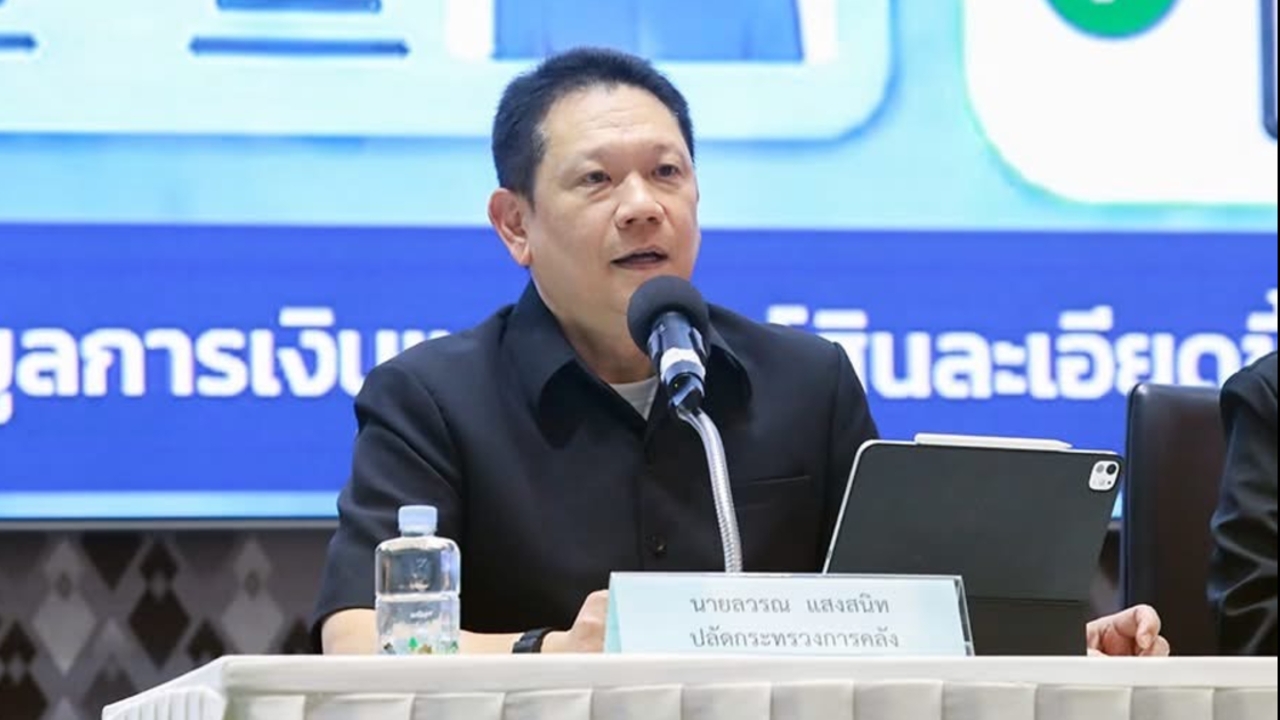
5 June 2026 GMT+7 Mr. Lawaron Saengsanit, Permanent Secretary of the Ministry of Finance, revealed that the setting of eligibility criteria for holders of the State Welfare Card for the new round in 2026 aims to screen for genuinely poor people with incomes below 100,000 baht, and to ensure assistance reaches those truly lacking caregivers. Therefore, the criterion of verifying tax deduction use for supporting parents is one of the conditions set.
“If children use this tax deduction right, the government considers that parents are already receiving care support of about 2,500 baht per month, which is several times higher than the approximately 300 baht monthly assistance via the State Welfare Card. The government must prioritize its limited budget to assist the most vulnerable elderly without caregivers first.”
Currently, from the government's perspective, elderly with children to care for them are considered in a better situation than poor elderly without anyone to care for them. Thus, criteria must be set to better target aid to the intended groups.
Meanwhile, the Finance Ministry warns that using the tax deduction without genuinely supporting parents may constitute false information for tax benefits. Government agencies can now more easily link databases and verify this information.
Those who lose eligibility and feel unfairly treated—for example, if children use tax deductions but do not actually provide care—can appeal after the rights review results are announced on 17 July 2026. Appeals will be accepted from 18 July until the end of July 2026.
If the appeal confirms the facts, the elderly will regain their State Welfare Card rights, but the children will lose the tax deduction right and may be retrospectively audited by the Revenue Department.
“Those who use their parents' names for tax deductions without actually providing care not only evade taxes but also cause their parents to lose opportunities to access state welfare.”
However, the government assures that those who miss out on the State Welfare Card can still access other assistance measures, such as the Thai Chai Thai Plus 60/40 project or the ongoing elderly allowance program.

Furthermore, the Finance Ministry coordinates with the Ministry of Interior and the Ministry of Social Development and Human Security (MSDHS) to use local mechanisms—village heads, subdistrict chiefs, and local administrative organizations—to survey and identify marginalized groups who might be left out of the system, ensuring more inclusive access to state welfare.