

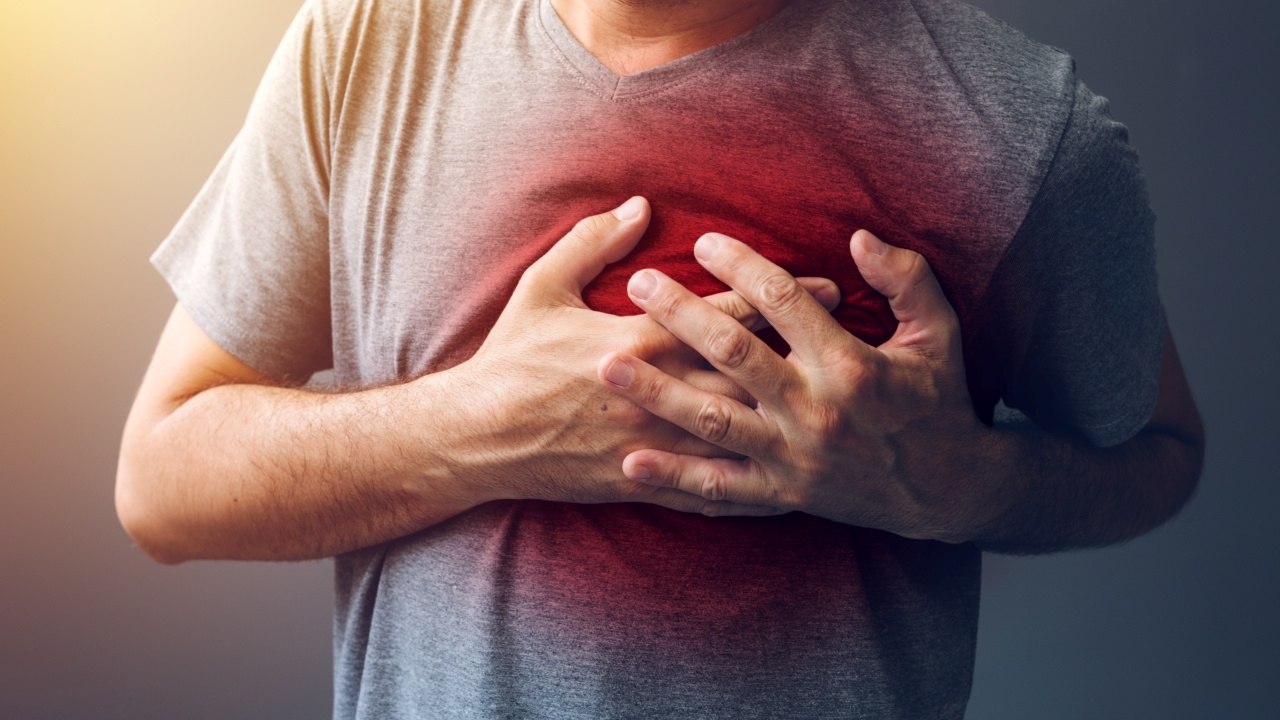
Getting to know "Acute Coronary Artery Disease" One of the leading causes of death in Thailand. Check warning signs; if symptoms occur, call 1669 immediately. Emergency personnel will arrive with equipment. Emphasize that prompt treatment greatly improves survival chances.
On 18 July 2026, the Facebook pageThoracic Disease InstituteDr. Khet Sripratak, a cardiologist and director of the Thoracic Disease Institute, Department of Medical Services, Ministry of Public Health, stated that Acute Coronary Syndrome (ACS) is among the top causes of death in Thailand and worldwide. The sooner diagnosis and treatment occur, the less heart muscle damage results.

In reality, many patients arrive too late or are misdiagnosed with stress, anxiety, or muscle pain, while their hearts are actually suffering from ischemia. The public and caregivers should understand warning signs, diagnostic methods, treatment, and ongoing care to ensure timely hospital arrival as follows.
Our heart is supplied by three main coronary arteries. When fat accumulates thickly in the arterial walls, it is called "coronary artery stenosis." If this fatty plaque suddenly ruptures, the body forms a blood clot that blocks blood flow to the heart muscle, causing "acute myocardial ischemia," commonly known as a "heart attack," which can be fatal within hours without treatment.
Common symptoms to first suspect heart ischemia include chest tightness, heaviness, discomfort, or pressure in the center of the chest. It is usually not sharp stabbing pain but a sensation of "tightness" or "heavy weight pressing down," radiating to the arm, shoulder, neck, jaw, or especially the left arm. Other signs include unexplained sweating, pale skin, coldness, unusual fatigue, palpitations, shortness of breath—especially during exertion—nausea, vomiting, dizziness. Some may have only these without clear chest pain. Symptoms last more than 15-20 minutes and do not improve with rest.
Especially in the elderly and diabetic patients, chest pain may be unclear but they might experience unusual fatigue, shortness of breath, mild chest tightness, or extreme weakness without an obvious cause.
If these symptoms occur in at-risk individuals, seek medical attention immediately. Being young does not exclude the risk of coronary artery disease. Risk factors like high cholesterol, smoking, stress, heredity, and obesity can cause this condition even in people in their early 30s. Therefore, if acute coronary syndrome is suspected, a 12-lead EKG is essential for diagnosis.
When patients present symptoms consistent with heart ischemia, the medically accepted standard care includes:
1. Performing an electrocardiogram (EKG/ECG) within the first 10 minutes of emergency room arrival. This quick, simple test provides critical diagnostic information.
2. Blood tests for cardiac enzymes (Troponin) to detect heart muscle damage. Repeat tests may be needed as levels might not rise in the initial hours.
3. Detailed history taking covering symptom characteristics, duration, triggers, and risk factors (high cholesterol, hypertension, diabetes, smoking, family history).
4. Basic physical examination including heart and lung auscultation and vital signs measurement.
5. Bedside echocardiography (ultrasound of the heart), a painless test that provides additional diagnostic information and helps distinguish other conditions, as well as detect complications from ischemic heart disease.
Key point: Immediate EKG is the first test when this condition is suspected. If symptoms strongly suggest the condition but diagnosis is uncertain, referral to a cardiology specialist or hospital observation is advised.
Treatment depends on the severity and type of ischemic heart condition and can be broadly classified as follows:
1. Initial emergency treatment
Administer antiplatelet drugs (e.g., aspirin) to reduce clot expansion, vasodilators to open coronary arteries, pain relief medication, and oxygen as needed, with continuous EKG monitoring.
2. Specialized treatment
Cardiac catheterization with balloon angioplasty and stent placement (PCI) is the current standard for patients with clear arterial blockage. The sooner performed, the less heart muscle damage occurs.
Ischemic heart disease treatment does not end at the hospital but requires lifelong management to prevent recurrence.
If you or someone close to you experiences chest tightness as described, do not wait at home. If symptoms fit the criteria, immediately call emergency number 1669. Emergency vehicles equipped with medical devices and rescue teams can alert cardiologists to prepare the catheterization lab while transporting the patient.
Primary PCI to open arteries with balloon angioplasty is the best standard, ideally performed within 120 minutes (2 hours) of diagnosis if the hospital has a catheterization lab; if arriving at a fully equipped hospital, the goal is within 90 minutes.
If the hospital lacks catheterization facilities and transfer to a larger hospital within 120 minutes is not possible, thrombolytic therapy must be administered within 10-30 minutes of treatment decision.
Remember: every moment lost means more heart muscle dies. If you or someone close has chest pain radiating to the jaw or left arm with profuse sweating and near fainting, do not wait. Call 1669 immediately. The faster diagnosis and treatment occur, the higher the chance of survival and returning to normal life.