

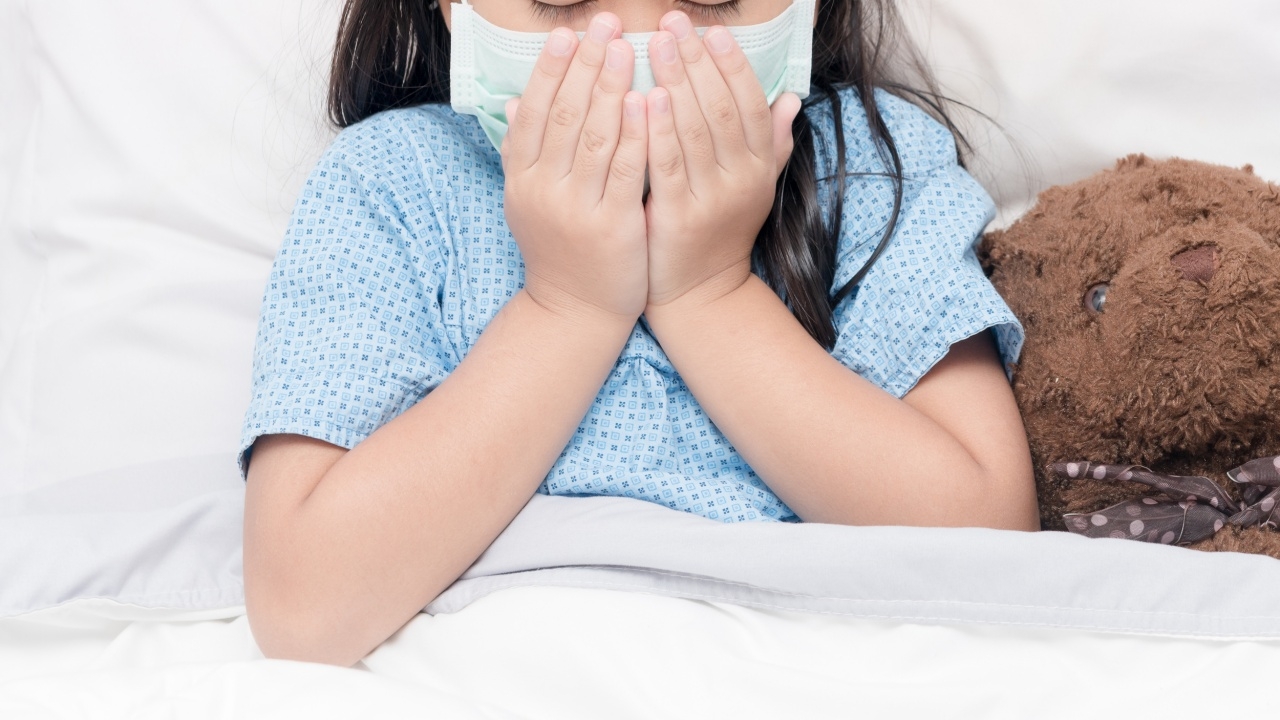
"Epidemiology Division, Department of Disease Control" is the source. They warn sick adults to avoid kissing or hugging children to reduce RSV virus infection and emphasize prevention methods.
On 3 September 2026, the Facebook pageEpidemiology Division, Department of Disease Controlposted a message stating that sick adults should refrain from kissing or hugging children to reduce RSV (Respiratory Syncytial Virus) infections. Many people may focus on COVID-19 and influenza, but RSV remains an important respiratory infection in young children and occurs regularly every year.
RSV has two strains, RSV-A and RSV-B, with an incubation period of about 2–8 days (average 4–6 days). It spreads through mucus, saliva, sputum droplets from patients, and by touching contaminated surfaces then touching the face.
Latest situation (1 January – 2 September 2026): Surveillance data shows over 7,595 cumulative cases, with nearly three-quarters (5,697) being children under 5 years old. Although overall cases remain lower than last year and no deaths have been reported, this indicates RSV is still circulating in the community and the outbreak season has begun.
Additionally, from surveillance of influenza and respiratory infection pathogens during weeks 33–34 (9–22 August 2026), among 276 respiratory infection samples tested, 10 (3.6%) were RSV positive. Among hospitalized respiratory infection patients, RSV was found in two cases: one child under 5 and one aged 5–17 years.
Of concern is that infected adults may have mild symptoms but can still transmit RSV to young children and at-risk groups. When ill, they should avoid kissing, holding, or close contact with children to reduce transmission.
Preventing RSV is not difficult but requires daily care: frequent handwashing with soap and water, wearing masks when sick or in crowded places, cleaning shared toys and equipment, and avoiding kissing or hugging children, especially during outbreaks.
There is no specific antiviral for RSV. Treatment is mainly symptomatic. However, vaccines exist for the elderly and pregnant women, and immunoglobulin preparations are available for young children and at-risk groups as medically indicated.
These numbers should not be viewed as mere statistics. Although case numbers this year remain lower than last year for the same period, cases continue to appear, especially in children under five. This reflects that the outbreak season is ongoing with an upward trend. Prevention starting now reduces infections in families, eases healthcare burdens, and provides immunity protection for the most vulnerable. The best prevention begins with vigilance and collective hygiene care.