

Don't be complacent about 6 dangerous diseases that come with "flooding" Check clearly the symptoms to watch for and prevention methods to avoid severe illness.
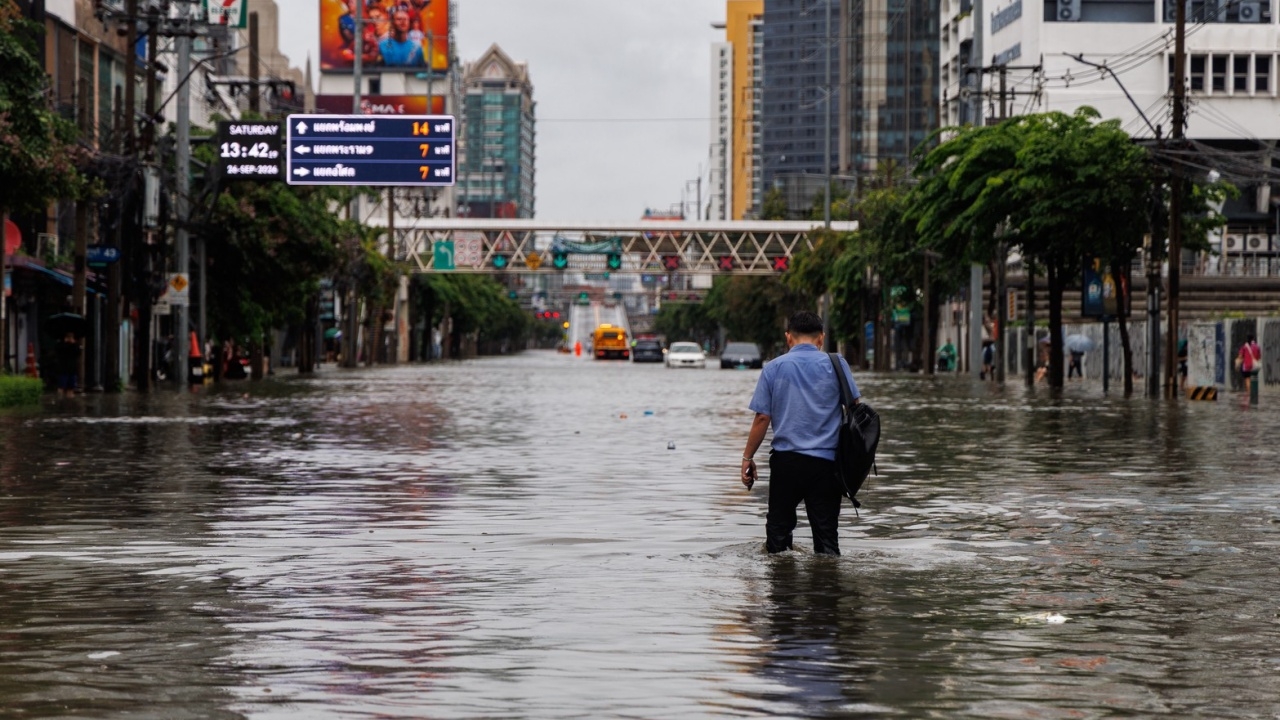
On 29 Sep 2026 GMT+7, reporters reported that besides the damage to homes when a flood crisis hits, apart from property loss and daily life difficulties, another hidden threat carried by floodwaters is serious diseases and pathogens that can harm our health at any time.
Stagnant floodwaters often harbor many bacteria, viruses, and contaminants. If we are careless or neglect self-care even slightly, severe illness may result.
Dr. Suthat Jiaraphatrakul, a general internist in the Internal Medicine Department at Nawavej Hospital, summarized key points and simple self-care guidelines: the 6 disease groups to watch for that commonly accompany flooding, how to prevent them, and how to recognize warning signs before it’s too late, ensuring safety for you and your family.
1. Leptospirosis
Bacteria from animal urine (especially rats) contaminate floodwater and muddy soil, entering the body through wounds or skin soaked in water for prolonged periods.
Symptoms to watch for: Sudden high fever, severe headache, and intense calf or thigh muscle pain accompanied by red eyes.
Prevention methods: Avoid walking barefoot in floodwater. If necessary, wear rubber boots and bathe with soap immediately after leaving the water.
2. Infected wounds and trench foot
Dirty water often contains glass shards, nails, or sharp objects. Prolonged water exposure causes skin to macerate, allowing pathogens easy entry.
Symptoms: Itchy sensations between toes or on soles, especially when feet are dry or shoes removed.
Prevention methods: If wounded, wash with clean water and soap, dry thoroughly, apply antiseptic, and monitor. If the wound swells, reddens, feels hot, or pus appears, see a doctor immediately.
3. Diarrhea and food poisoning
Caused by consuming food or drinking water contaminated by pathogens from floodwaters.
Prevention methods: Choose freshly cooked food and drink clean water.
4. Dengue fever and mosquito-borne diseases
Floodwater collected in containers after waters recede becomes ideal breeding grounds for Aedes mosquitoes and other pests.
Symptoms: Sudden high fever, headache, body aches, skin bleeding spots, vomiting, or severe abdominal pain.
Prevention methods: Inspect and overturn containers holding water around the home, apply mosquito repellent, and sleep under mosquito nets.
5. Respiratory system diseases
The humid, wet weather and mold growth in homes post-flood may trigger colds, bronchitis, or asthma attacks.
Symptoms: Fever, cough, nasal congestion, difficulty breathing, wheezing, sore throat, or chest tightness.
Prevention methods: Keep the body warm, wear masks in crowded places, and promptly clean mold from the home.
6. Infectious conjunctivitis (red eye)
Touching eyes with dirty hands or splashes of contaminated water can infect the conjunctiva causing inflammation.
Symptoms: Red eyes, itching, irritation, excessive discharge, watery eyes, or swollen eyelids.
Prevention methods: Never touch eyes with dirty hands. If dirty water gets into eyes, rinse immediately with clean water.
Flooding may be unavoidable, but diseases that come with floodwaters can be prevented by increasing caution, wearing protective gear, closely monitoring health changes, and following the principles: avoid dirty water, cover wounds, eat cooked food, drink clean water, protect against mosquitoes, and see a doctor promptly if fever develops.
If you or your family members show risky symptoms, do not hesitate to visit a doctor immediately.