

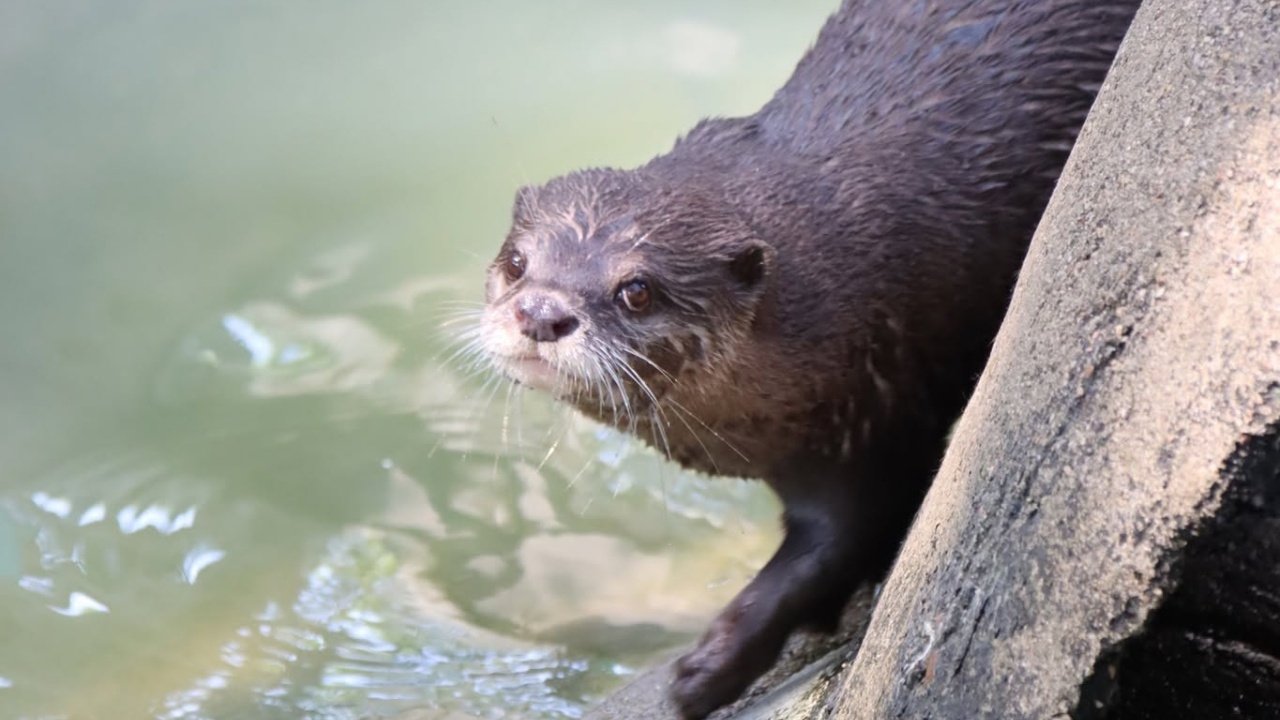
Image courtesy of FB: Nakhon Pathom Municipality Office [Nakhon Pathom Municipality Office, FB] [Local News, Wildlife]
Tragic news: "Chao Boonthing," the intelligent otter and former star of a zoo in Nakhon Pathom province, has passed away. The wildlife rescue center explained the timeline after taking over care and suggested the cause of death was stress and depression. [Wildlife, Otter, Nakhon Pathom, Death]
On 4 Nov 2026, a sad story spread online about "Chao Boonthing," the clever otter who had been under the care of a zoo in Nakhon Pathom province for over six years. The previous owner donated the otter in a box due to inability to care for it, but it was later transferred to Wildlife Rescue Center 3 (Prathap Chang) in Ratchaburi province for rehabilitation and preparation for release back into the wild. [Wildlife Rescue, Rehabilitation, Ratchaburi, Nakhon Pathom]
After relevant government agencies inspected the site following complaints from visitors who said the otter was kept in unsuitable conditions, widespread criticism arose. The inspection found the zoo lacked a legal permit to possess protected wild animals. Recently, reports confirmed that "Chao Boonthing," the famous intelligent otter, has died, causing sorrow among followers and prompting calls for caretakers to explain the cause. [Inspection, Zoo Permit, Animal Welfare, Public Concern]
Recently, Wildlife Rescue Center 3 (Prathap Chang) issued a statement clarifying that otters are protected wildlife under the Wildlife Reservation and Protection Act of 2019. They cannot be hunted, kept, traded, or possessed without authorization. In Thailand, there are four native otter species: 1. Asian Small-Clawed Otter, 2. Smooth-Coated Otter, 3. Eurasian Otter, 4. Hairy-Nosed Otter. [Wildlife Law, Otter Species, Thailand]
In Thailand, otters inhabit wetlands, streams, and rivers and are commonly found in nature. When young, otters appear cute, but adults retain wild instincts, sharp teeth, and loud vocalizations. Otters eat fish and meat. Otters raised by humans from a young age tend to become attached to people and lose wild behavior. Releasing them into the wild requires long behavioral adjustment or training to regain natural instincts, such as hunting and recognizing natural foods. [Otter Behavior, Wildlife Rehabilitation, Diet]
Additionally, otters kept by humans for extended periods often display affectionate behavior and strong bonds with their caretakers. When relocated or reassigned, otters can become depressed, similar to caged wild animals, with increased mortality risk. Keeping otters long-term without awareness may unintentionally harm these wild animals. [Animal Welfare, Stress, Captivity Effects]
When otters are handed over to authorities for behavioral adjustment before release, full information must be provided about their upbringing or injuries to support proper care and sustainable wildlife survival. Examples include: [Wildlife Rescue Procedure, Documentation]
1. If the otter is evidence in a legal case, the rescue center must care for it until the case concludes and study court rulings on whether to release it back to the wild or return it legally to the owner. [Legal Procedures, Wildlife Custody]
2. If the otter is rescued, such as being injured, lost, or ill, the rescue center treats and rehabilitates it until healthy, then identifies a suitable natural habitat for release, such as wildlife sanctuaries, protected areas, national parks, or conservation forests that provide safety and a natural otter habitat. Many otters have been successfully released and live happily in the wild. [Rehabilitation, Release Sites]
On 2 Oct 2026, Nakhon Pathom Municipality officials delivered an otter to Wildlife Rescue Center 3 (Prathap Chang) in Ratchaburi, reporting it was a wild animal abandoned or lost. The center housed the otter in a specially prepared enclosure under care by animal keepers experienced with otters. Initially, the otter vocalized for a long time, appeared frightened, but ate normally. [Animal Transfer, Initial Care]
Later, the otter showed signs of depression and stress, stopped vocalizing, ate less, and lost wild instincts. Caretakers tried close monitoring but without success. It is preliminarily assumed the otter had long been closely kept by humans, causing loss of wild behavior. [Behavioral Decline, Stress Symptoms]
On 19 Oct 2026, caretakers found the otter had died with no wounds or evidence of harm. Death is presumed due to stress and depression. It is regrettable we could not help it return to a natural life like other otters. We hope this case serves as a warning against illegal wildlife possession or removing animals from their natural, suitable habitats to confined enclosures. [Death Cause, Warning, Wildlife Protection]
Information from Facebook: Wildlife Rescue Center 3 (Prathap Chang). [Source, Wildlife Rescue Center]