

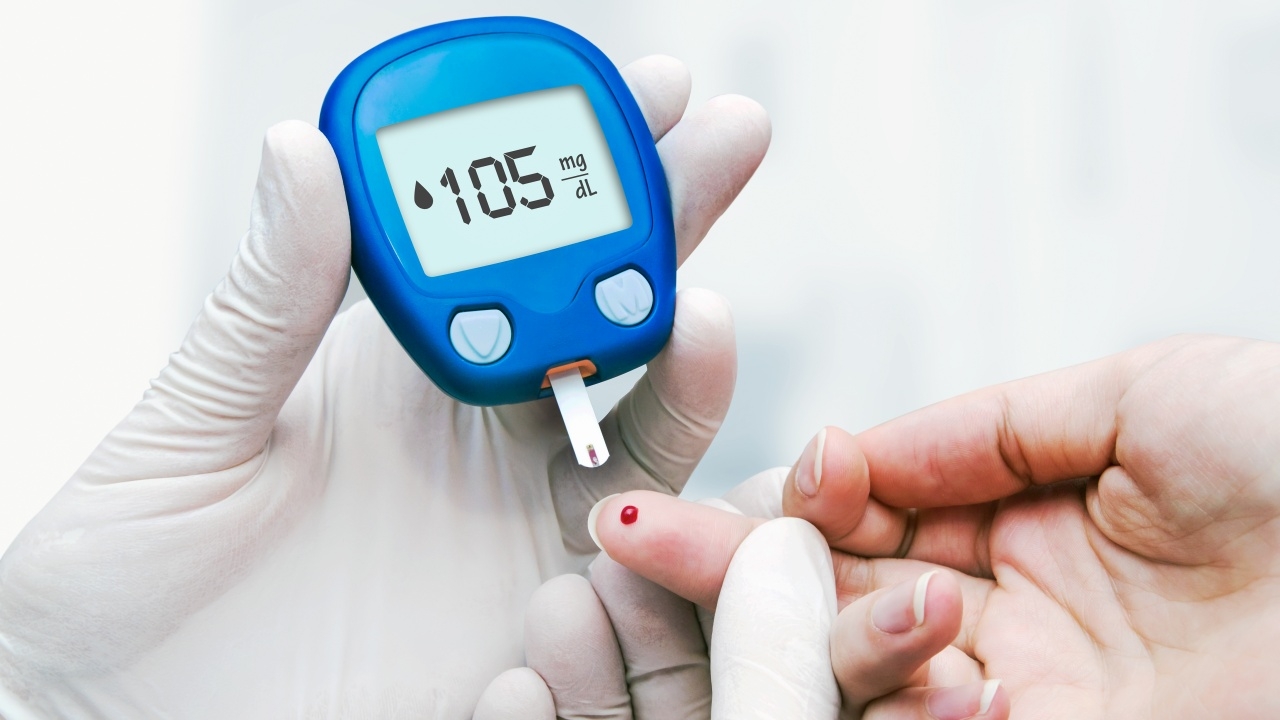
"Department of Disease Control" is the translation of the agency's name. warns "diabetes" A silent threat many are unaware of, advising at-risk groups to undergo screening to prevent complications before it's too late.
On 14 November 2026, Dr. Montian Kanasawat, Director-General of the Department of Disease Control, stated that every year on 14 November is World Diabetes Day. This year, the International Diabetes Federation (IDF) has set the campaign theme as "Early Action on Diabetes: Know Early, Care Timely, Prevent Diabetes," focusing on raising public awareness about the importance of risk assessment and diabetes screening, along with health care to reduce the risk and complications of diabetes. Early knowledge, timely care, and continuous management are key steps to reducing diabetes risk.
The International Diabetes Federation (IDF) reports that 1 in 9 adults worldwide (aged 20–79) has diabetes, and 4 in 10 are unaware they have the condition. It is projected that by 2050, there will be as many as 853 million people with diabetes globally. In Thailand, medical and health data (HDC) from 2026 show over 398,702 new diabetes cases.
Among Thai people aged 35 and older, as many as 5 million have not been screened for diabetes out of a target population of 22.4 million. Diabetes results from insulin hormone dysfunction, causing the body to inefficiently use blood sugar, leading to elevated blood sugar levels.
Dr. Niti Hetanurak, Deputy Director-General of the Department of Disease Control, added that the department encourages Thais to undergo risk assessment and diabetes screening at appropriate healthcare facilities according to their insurance rights, maintain regular annual health check-ups, and importantly, raise awareness of risk factors.
Risk factors for diabetes include being aged 35 or older, having a family history of diabetes, obesity with a body mass index (BMI) over 25 kg/m², or a waist circumference exceeding half the height. Other risks include cardiovascular disease, hypertension, high blood lipids, preference for very sweet, fatty, or salty foods, insufficient physical activity, smoking (including e-cigarettes), and alcohol consumption. Warning signs—often absent—include frequent thirst, frequent and large urination, waking up more than once at night to urinate, unexplained weight loss, or dark patches on the neck. These early symptoms warrant immediate blood sugar testing, as early detection can prevent complications.
Dr. Woraya Luang-on, Director of the Non-Communicable Diseases Division, stated that diabetes can be prevented by choosing healthy foods, increasing vegetable and fruit intake, and reducing sugar, fat, and salt. The World Health Organization (WHO) recommends limiting sugar consumption to no more than 6 teaspoons (24 grams) per day. Regular exercise of at least 30 minutes daily or a total of 150 minutes weekly, weight control, adequate rest, and continuous lifestyle changes help prevent complications such as stroke, cardiovascular disease, diabetic kidney failure, diabetic retinopathy, and peripheral neuropathy, which are debilitating and hard to cure. Regular treatment and health monitoring are crucial. Timely care helps prevent diabetes; starting health management today leads to a better quality of life and health in the future.