

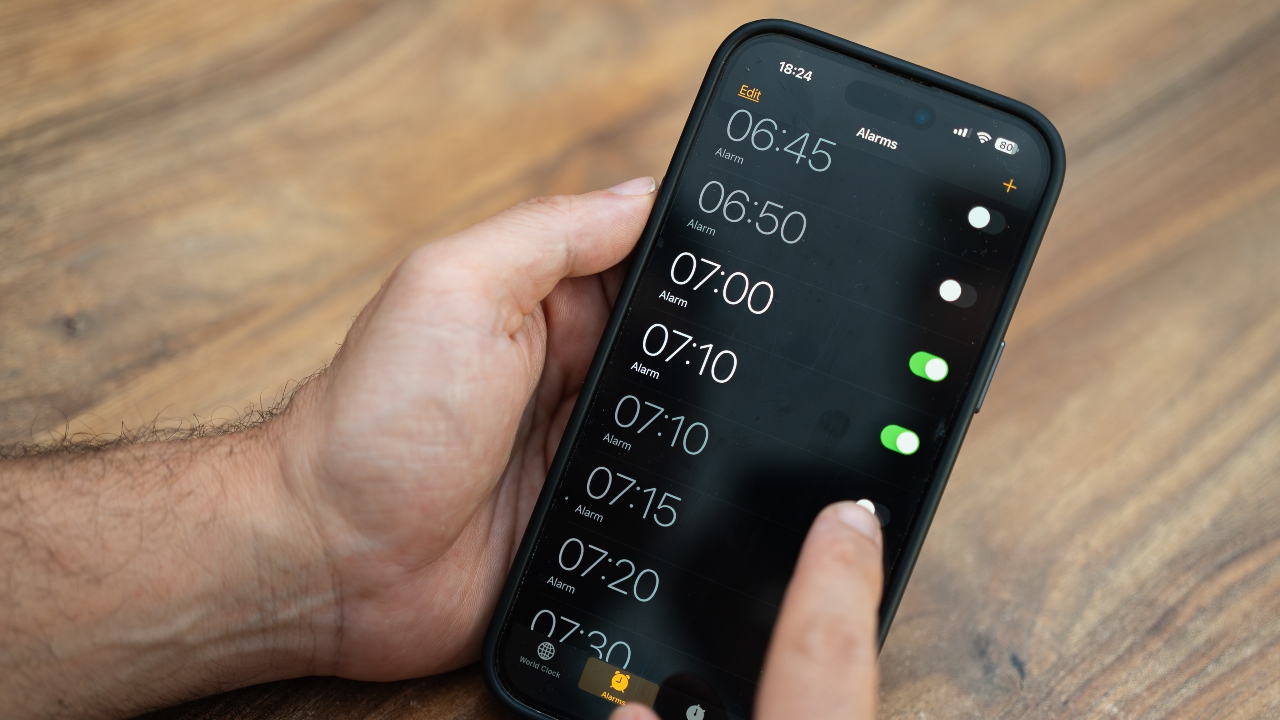
Warning about the habit of saying “just 5 more minutes,” pressing snooze and going back to sleep causes the brain to misunderstand and results in waking up feeling even more tired and less refreshed.
On 22 Nov 2026, a report stated that a fan pageAnti-Fake News Center Thailandposted a message urging people to share with close ones that “pressing snooze and going back to sleep makes you feel more tired and sleepy upon waking,” confirmed by the Institute of Neurology, Department of Medical Services, Ministry of Public Health.
Because briefly pressing snooze and sleeping on harms wakefulness, this phenomenon can be explained by the sleep mechanism as follows:
Sleep Cycle: Each night, our brains cycle through sleep stages in approximately 90-minute rounds, alternating between light sleep, deep sleep, and REM sleep.
Being Awakened Mid-Cycle: When the alarm first rings, it usually occurs near morning when the brain is ready to wake (often during light sleep, making waking up feel most refreshing). But pressing snooze and sleeping another 5–10 minutes causes the brain to mistakenly think a new sleep cycle is starting, so it tries to enter deep sleep again.
Sleep Inertia: After only a few minutes, when the alarm rings again, the brain is abruptly awakened during deep sleep or the start of a new cycle, causing Sleep Inertia—a state of grogginess, confusion, and severe fatigue that may last for several hours that day.