

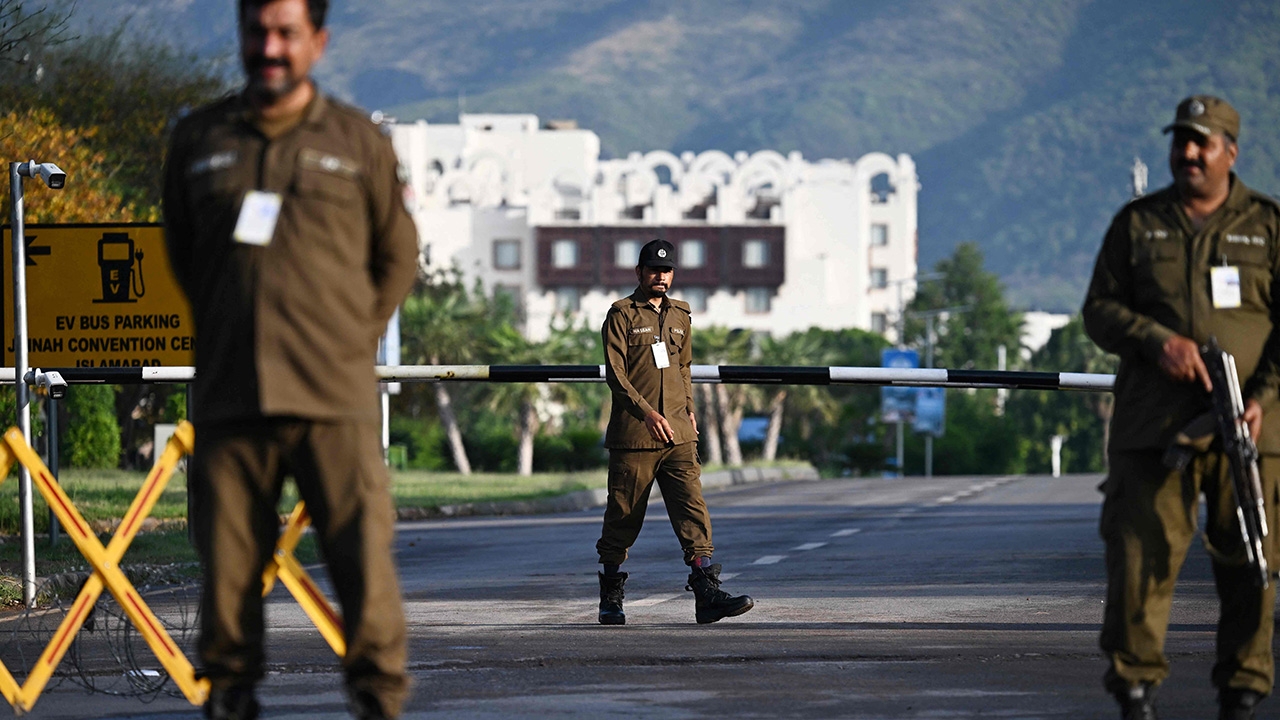
The United States and Iran show no signs of new negotiations, despite each side’s representatives heading to Pakistan, which has accepted the role of mediator to end the conflict. Both sides claim they cannot accept the other’s conditions. An Iranian Foreign Ministry spokesperson confirmed there are no plans for direct talks. Meanwhile, the US Secretary of Defense boasted of successful maritime blockades to pressure Iran back to the negotiating table. The International Chamber of Shipping issued a statement condemning both countries for using commercial vessels and crews as political bargaining tools. Meanwhile, Israel continues heavy attacks in southern Lebanon, disregarding the extension of the ceasefire agreement.
Peace talks between the United States and Iran, after more than eight weeks of conflict in the Middle East, remain uncertain. The White House confirmed that Steve Witkoff, the US special envoy, and Jared Kushner, son-in-law of then-President Donald Trump, departed Washington for Islamabad, Pakistan, on 25 April to negotiate with Iran again. JD Vance, the US Vice President who led previous talks, did not travel but is ready to join if progress occurs. Before departure, Kushner told the media that Iran plans to present proposals potentially meeting US demands, although details remain unclear. He emphasized that the US is currently negotiating with Iran’s true decision-makers.
However, an Iranian Foreign Ministry spokesperson issued a statement denying plans for direct meetings between Iran and the US, stating Iran will convey its conditions and positions through the Pakistani government as mediator, instead of sitting directly at the negotiation table with the US. Additionally, the spokesperson explained that Iranian Foreign Minister Abbas Araghchi’s visit to Pakistan is part of a trip to three countries—Pakistan, Oman, and Russia—to discuss bilateral issues and ways to end the conflict. Araghchi met with senior Pakistani officials including the Army Commander, National Security Advisor, Intelligence Director, and Interior Minister, with plans to meet the Pakistani President and Deputy Prime Minister next. Analysts view Pakistan’s mediator role as potentially paving the way for future direct talks between Tehran and Washington.
Reuters further reported that during his visit to Islamabad, Araghchi conveyed Iran’s demands and stance, including reservations about US demands, to Pakistani officials. Although Iranian state media insists direct talks with the US have not yet occurred, reports suggest Pakistan is preparing for what could be the latest round of discussions between the US and Iran.
Regarding the Strait of Hormuz situation, US Secretary of Defense Pete Hegseth and General Dan Kene, Chairman of the Joint Chiefs of Staff, provided updates on the “Epic Fury” operation against Iran, describing it as satisfactorily successful within just a few weeks, contrasting with prolonged past wars like in Afghanistan or Iraq. They reiterated the primary goal that Iran must not acquire nuclear weapons. The US is currently enforcing a strict maritime blockade against Iran to pressure it back to negotiations under US-acceptable conditions. Hegseth added that the US Navy fully controls shipping routes around Iran and the Strait of Hormuz; no vessel can pass without permission. He revealed that 34 vessels have been intercepted and additional Iranian oil-smuggling ships seized in the Indo-Pacific region.
The International Chamber of Shipping (ICS) issued a statement criticizing the recent tit-for-tat between the US and Iran involving the seizure of commercial ships and crews over the past week. The US seized and detained the Majestic X and Tiffany vessels for illegal oil transport, while Iran captured the MSC Francesca and Epaminondas vessels citing licensing and navigation violations. ICS emphasized that using crew members as political bargaining chips is disgraceful and a serious violation of international law, calling for their immediate release. Fifteen Filipino and four Montenegrin crew members remain detained by Iran. Additionally, over 20,000 crew members are stranded in the Persian Gulf due to the closure of the Strait of Hormuz, severely impacting their mental health. ICS urged both parties to respect freedom of navigation and the right to innocent passage to prevent a worsening global supply chain crisis.
In another conflict zone in southern Lebanon, foreign media report that the ceasefire agreement is meaningless as Israeli Prime Minister Benjamin Netanyahu declared the Israeli military has full freedom of operation in Lebanon. This comes despite the ceasefire extension for another three weeks. The Israeli military reiterated warnings forbidding Lebanese residents from returning to dozens of villages in the south, stating that an extended control line has been established up to the Litani River, prohibiting anyone from encroaching near it.
Reports indicate that the Israeli military continues heavy artillery fire and drone attacks on the towns of Yammour and Al-Shafiq, along with bombing residential buildings in the town of Khiam. Several buildings in Bint Jbeil, southern Lebanon, just a few kilometers from the Israeli border, have also been destroyed.
Iran’s Mehr news agency reported that Tehran’s largest and busiest airport, Imam Khomeini International Airport, has resumed outbound flights today, with destinations including Istanbul, Turkey; Muscat, Oman; and Medina, Saudi Arabia. This partial reopening of Iran’s airspace follows the ceasefire announcement between Iran and the US earlier this month and signals a de-escalation of the weeks-long regional tensions.
." Thairath Newspaper Column " All here