

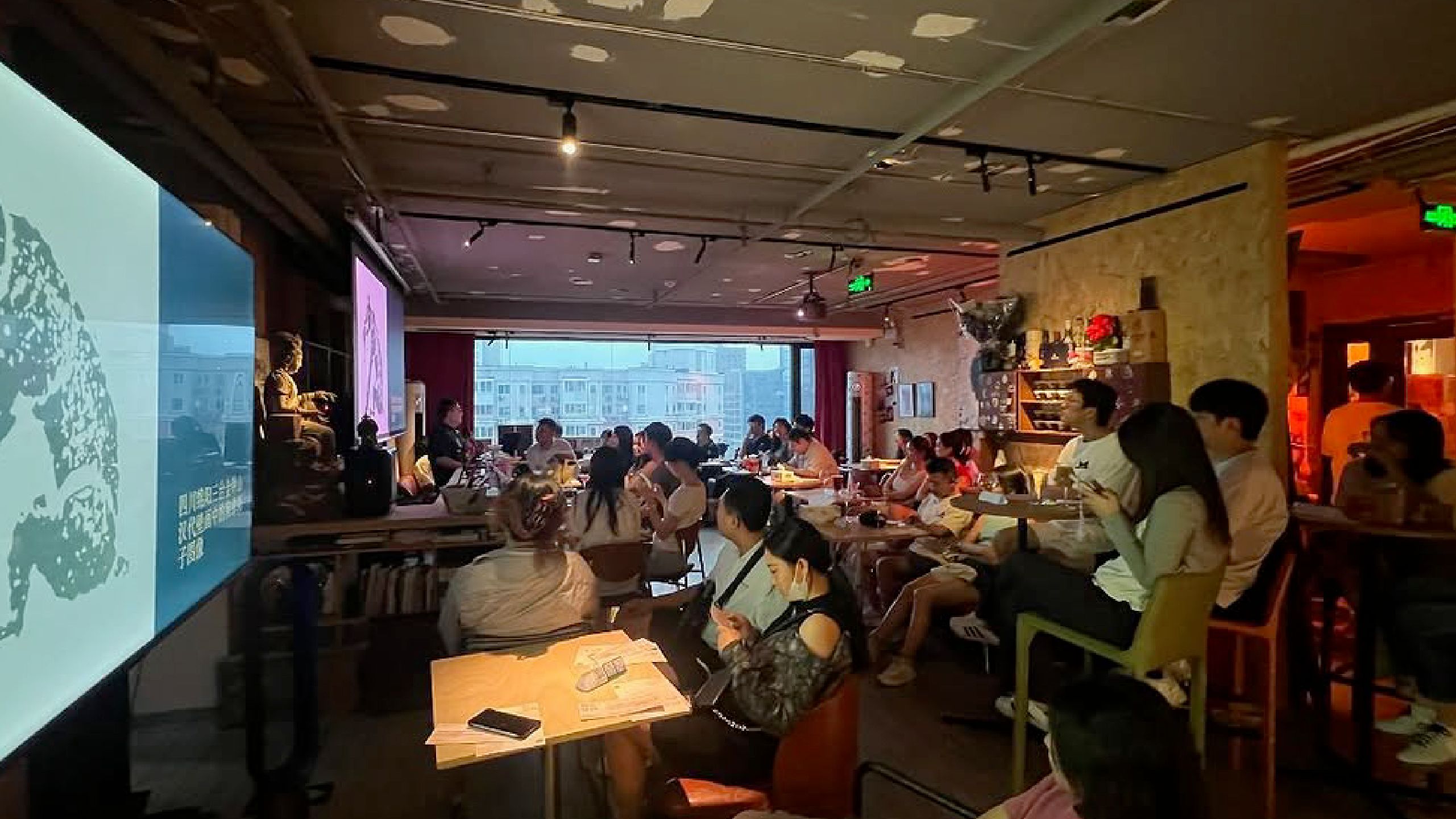
During the recent New Year holiday, many people probably weren't ready to return to work because consecutive nights of partying left them physically exhausted and financially drained. This has led many young people in recent years to question the value of nightlife.
In 2025, statistics show that many Gen Z individuals are turning away from seeking happiness through clubs and bars. Data from the Night Time Industries Association (NTIA) reveals that people aged 18-30 are going out less at night because they cannot afford to spend lavishly. The popularity of other activities last year, such as Coffee Rave and Run Club, also indicates that people are finding new ways to socialize through healthier activities that still foster strong connections.
In today's time when time, health, and money carry more meaning than ever, there appears to be a search for meaning and necessity in all things, including nightlife. In China, a new nightlife trend has emerged called the Academic Bar.
In Shanghai, there is a bar named ‘Jialei’ (meaning 'obstacle'). It is a typical alcohol-serving bar, but its atmosphere differs from the usual image of people dancing to loud music or live bands. Instead, Jialei features lecturers from prestigious global universities presenting slides on social sciences, sociology, economics, technology, and more.
“Pubs and bars provide an informal atmosphere that can bridge the gap between ordinary people and the often intense academic content.” Bai Anke, manager of Jialei, told China Daily. “This kind of friendly environment fosters better learning,” she explained.
Similar bars have appeared elsewhere. CNN reported that in Hong Kong there is a comparable bar hosting lectures on the formation of modern states.
“Although not directly about China, Liang (the writer) was surprised by the frankness of the academic when discussing state power and the use of force, topics rarely openly addressed here, especially in such a politically tense environment,” CNN wrote. Another attendee said that few places in China allow such direct discussion about any country. Beyond this, topics often banned online, like feminist politics, are openly discussed in the bar.
Besides offering a relaxed alternative to the rigid atmosphere of academia, academic bars seem to enjoy some leniency from other societal authorities, whether legal or cultural. In China’s context, people in these spaces feel free to express opinions that diverge from mainstream views.
The popularity of these bars reflects the current world where everything is measured by money and tangible results—even leisure activities like nightlife must yield concrete benefits beyond pleasure and intoxication. Moreover, it shows that many young people continue to seek spaces for dialogue and learning, and such venues provide greater freedom than anywhere else.
References:chinadailyhk.com,edition.cnn.com