

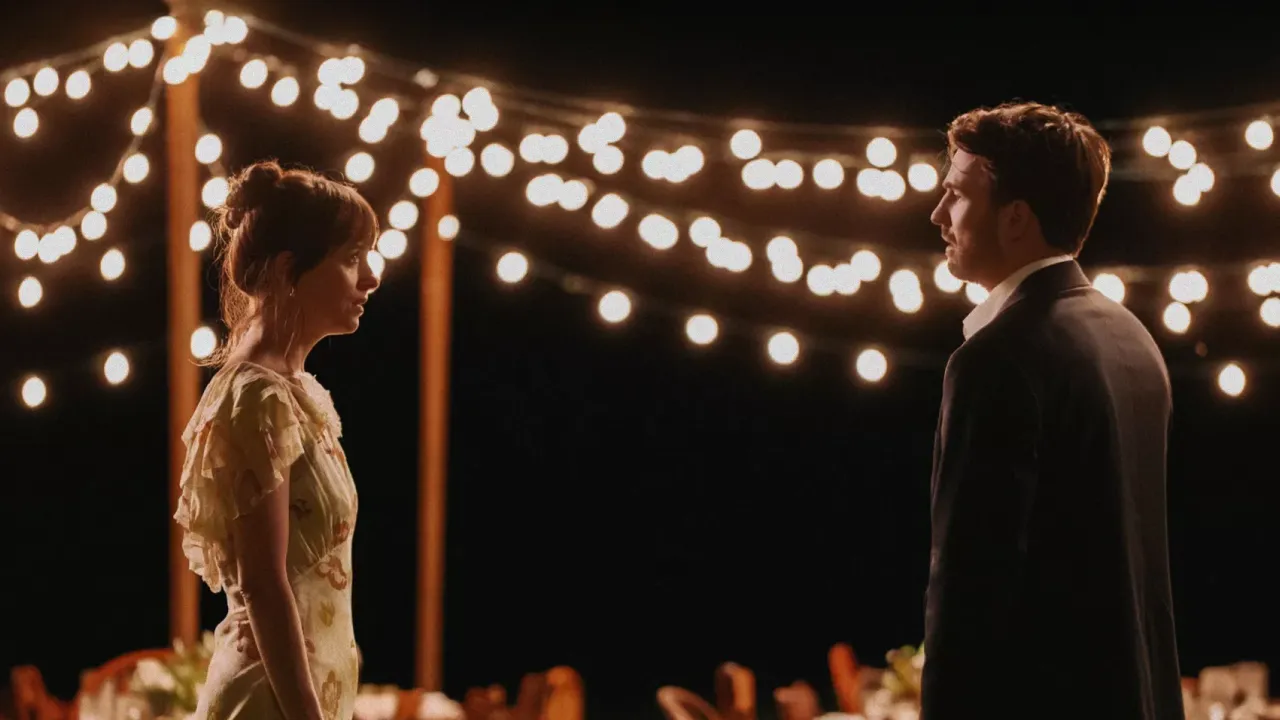
In an era where relationships start through screens, meeting someone who seems 'right on type'—in terms of body shape, looks, personality, or fashion style—has become much easier online. Yet, once we get to know or greet them, everything quickly turns into disappointment. The initial impression that was once favorable begins to sour and can even become negative.
What causes someone who appears to be 'the right one' in our eyes to turn into 'the wrong one' in our feelings?
And why might this negative feeling be the best warning signal that protects and comforts our hearts? This behavior is not merely emotional but has interesting origins from psychological perspectives and the context of contemporary Thai society.
1 - The Trap of the Halo Effect and Soaring Expectations
Psychologically, the Halo Effect explains that humans tend to automatically judge other traits based on one prominent characteristic. For example, when we meet someone who fits our type, our brain immediately creates positive expectations (cognitive bias) that they must be smart, kind, engaging, or possess other good qualities.
But when conversations begin and we find they do not meet these expectations or have flaws, our brain experiences the Contrast Effect—comparing our assumptions with reality. This extreme gap makes things seem worse than they are simply because they contradict our initial image. As a result, even if the reality isn't so bad, biases intensify negative feelings and may lead us to withdraw from the relationship.
2 - Outwardly on Type but Differing Worldviews
In today's society, where people focus more on themselves, we often meet someone who fits our type but holds conflicting attitudes. For instance, judging others by one's own standards or lacking empathy in conversations. Whenever their words show disdain or views opposing ours, their external charm vanishes instantly. In long-term relationships, we seek 'safe spaces' rather than 'toxic connections.'
Research by Donn Byrne (1971) further emphasizes that mismatched political, religious, or life goals quickly diminish the importance of external attraction, often leading to negative feelings by default.
3 - The Lost Art of Listening in the Digital Age
Effective communication is not just about speaking well but mastering the skill of listening. Many who are physically attractive and fit the type are accustomed to being the center of attention and may neglect their conversation partner.
Monologue-like conversations, where one side dominates, make the other feel the interaction is more transactional than personal, causing impressions to drop rapidly.
Judee Burgoon's theory explains that people have interaction norms. When meeting someone attractive and 'on type,' we expect certain social manners. If that person behaves in ways that violate these expectations negatively—like being rude, interrupting, overly confident to the point of arrogance, or boastful—our negative feelings intensify more than if such behavior came from someone with no prior expectations.
4 - Disappointment May Not Always Stem from Major Issues
Often, disappointment begins with small accumulated issues or feelings, such as the phenomenon known as 'The Ick,' where one suddenly feels disgust, boredom, or loss of affection in a relationship. This can arise from minor behaviors or gestures from the other person that trigger dislike and fade previously good feelings.
Starting to feel negative toward someone who fits our type may not just be about regret but an instinctual warning that our 'inner values' do not align. In lasting relationships, appearance is merely an 'opportunity' that encourages us to get to know someone, but 'identity and attitude' are what ultimately decide whether we continue or end things.
Ultimately, accepting that the person before us 'is not the one,' no matter how much they fit our type, is a maturity that saves our life’s time and opens opportunities to meet someone truly compatible in both appearance and spirit.
However, if we set standards that no one can truly meet, it may make the relationship impossible. Remember, no one in this world is perfect in every aspect; we are all humans with our own wounds.