

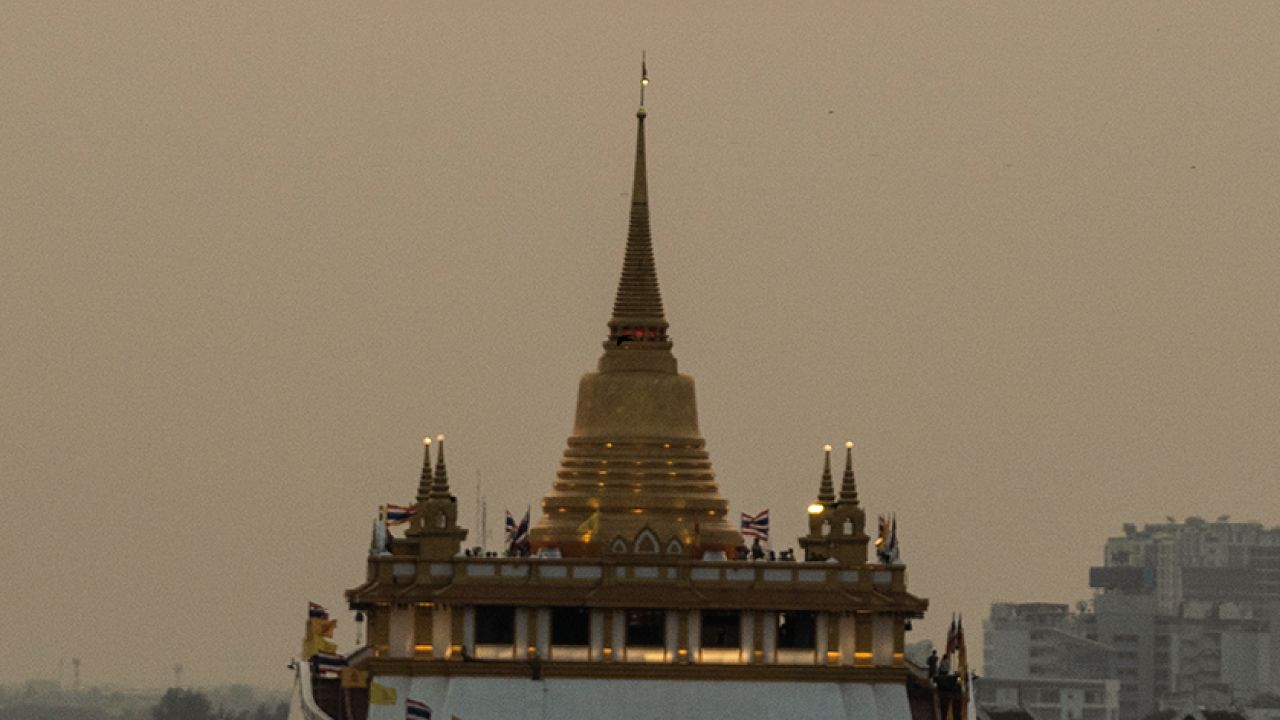
"...The energy here is very good, so calm it gives you goosebumps. Once inside, it feels like being cut off from the outside world..."
As some young people begin reviewing temples and shrines as healing spaces to escape the fast and chaotic world, let's decode the subtle combination of architecture, psychology, and faith behind the energy we sense—blended systematically within sacred places across the country.
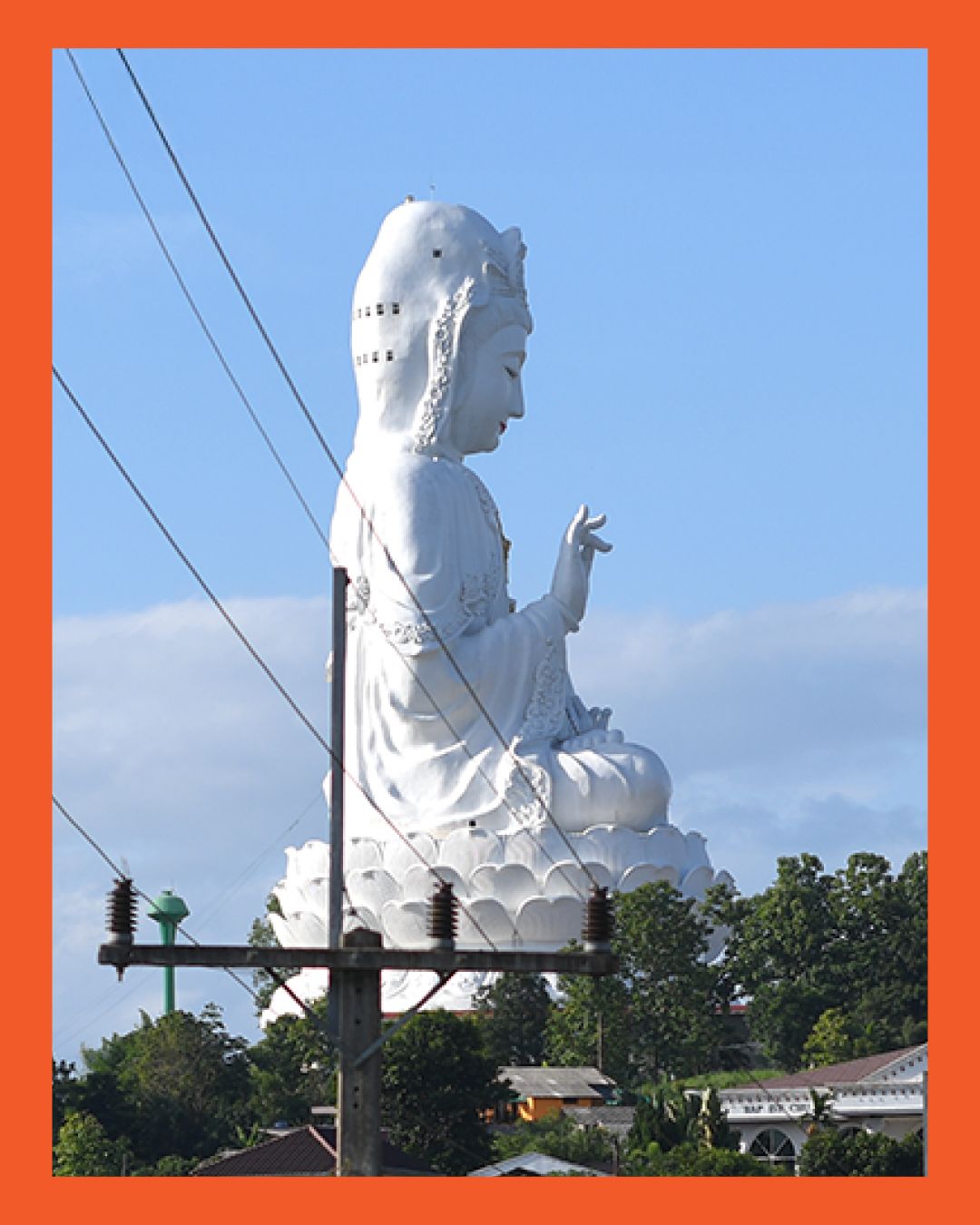
Often, tranquility arises from cleverly designed spaces, whether through Awe Theory—where standing before something vastly greater than oneself, like European cathedrals, American monuments, or towering Asian buildings, makes us feel smaller and naturally shrinks heavy worries.
The Phra Buddha Dhammakaya Thepmongkhon at Wat Paknam Phasi Charoen, as tall as a 20-story building and prominent in Thonburi, or the Guan Yin Bodhisattva at Wat Huai Pla Kang in Chiang Rai, as tall as a 25-story building, blending Chinese and Lanna architecture exquisitely, are Buddhist art forms that captivate visitors every time, automatically inspiring awe that brings instant reverence and calm.
Even the aesthetics of silence, designing spaces using temperature and darkness to adjust visitors’ gaze and mood—like Wat Umong in Chiang Mai and Wat Tham Khao Luang in Phetchaburi—where walking through old brick tunnels or caves with only occasional sunlight, combined with cooler temperatures and thick walls blocking outside noise, encourages slower steps and focuses attention on one’s breath.
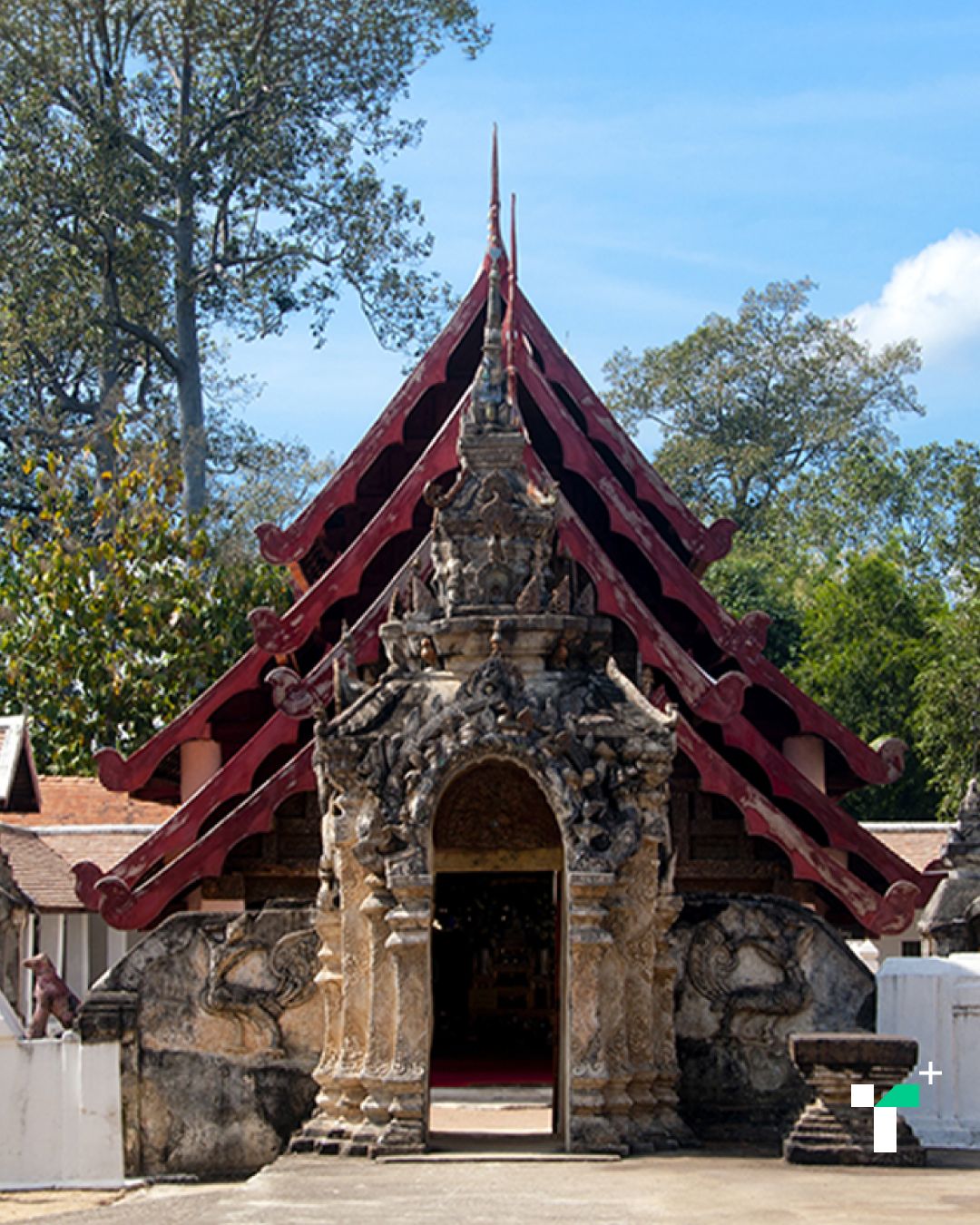
Humans have a deep need to create safe zones where worldly rules or stress cannot intrude. Clear boundaries in sacred places can momentarily cut off mental turmoil. Elaborate Chinese gates at the Thep Satit Phra Kit Chaloem Shrine in Chonburi, or ancient Lanna-style Mekong gates at Wat Selarattanapappataram (known as Wat Lai Hin Luang) in Lampang, serve as links between the human world (Jambudvipa) and the sacred realm (Mount Meru). Upon passing through these gates, our subconscious immediately recognizes leaving chaos behind and entering a realm surrounded by sacred energy.
Even the effort of devotees taking a songthaew winding along cliffs to worship the pure white pagoda atop Wat Phra Bat Pu Pha Daeng in Lampang, or climbing over a thousand steep steps to reach the large Buddha statue at Wat Tham Suea in Krabi, marks a transitional state where physical fatigue helps absorb the feeling of reaching the summit.
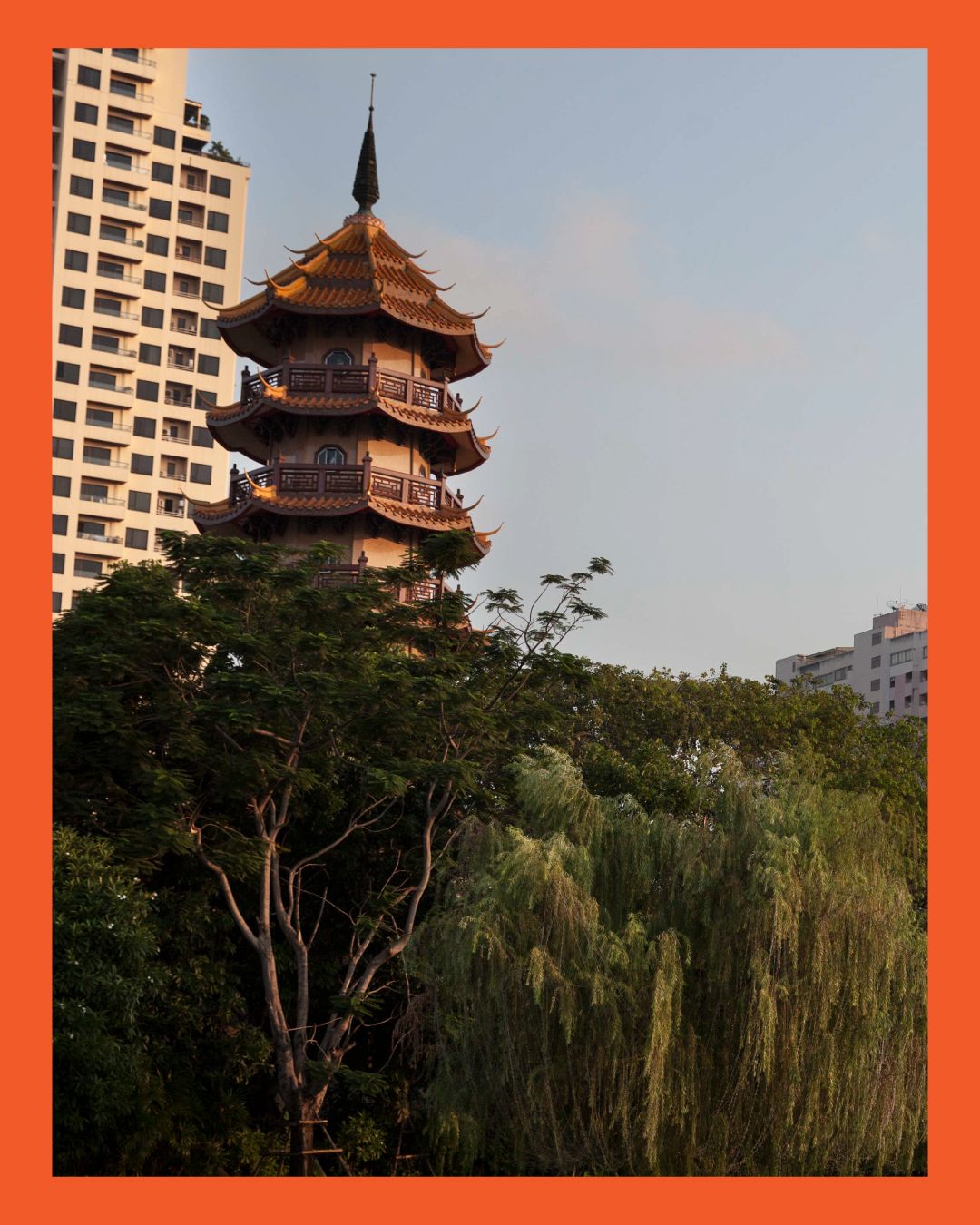
In neurotheology, the scent of incense, low-frequency rhythmic chanting, and the shade of trees all act to slow the busy, stressed beta brain waves to alpha or theta waves, which occur when the body is relaxed or meditating.
For example, Wat Pathumwanaram and Wat Chetuphon in Bangkok, classic urban sacred places hidden amid business districts, where stepping out of the mall’s chaos into these sites replaces engine noise with birdsong and insects, while large trees filter harsh sunlight—these environments rapidly calm our nervous systems.
Ultimately, young people turning to these places for healing is not superstition but an instinctive human yearning for spaces to shed the self, relying on exquisite architecture, a relaxing environment, and ancient faith to soothe the mind from the real world.
The calm and awe-inspiring energy is not magic from elsewhere but the peace within ourselves that these places help unlock and bring back.
ReferencesThe CCD,ampmread,Reflections
#ThairathPlus #Thairath #Temple #TempleReview #Spirituality #SacredPlaces