

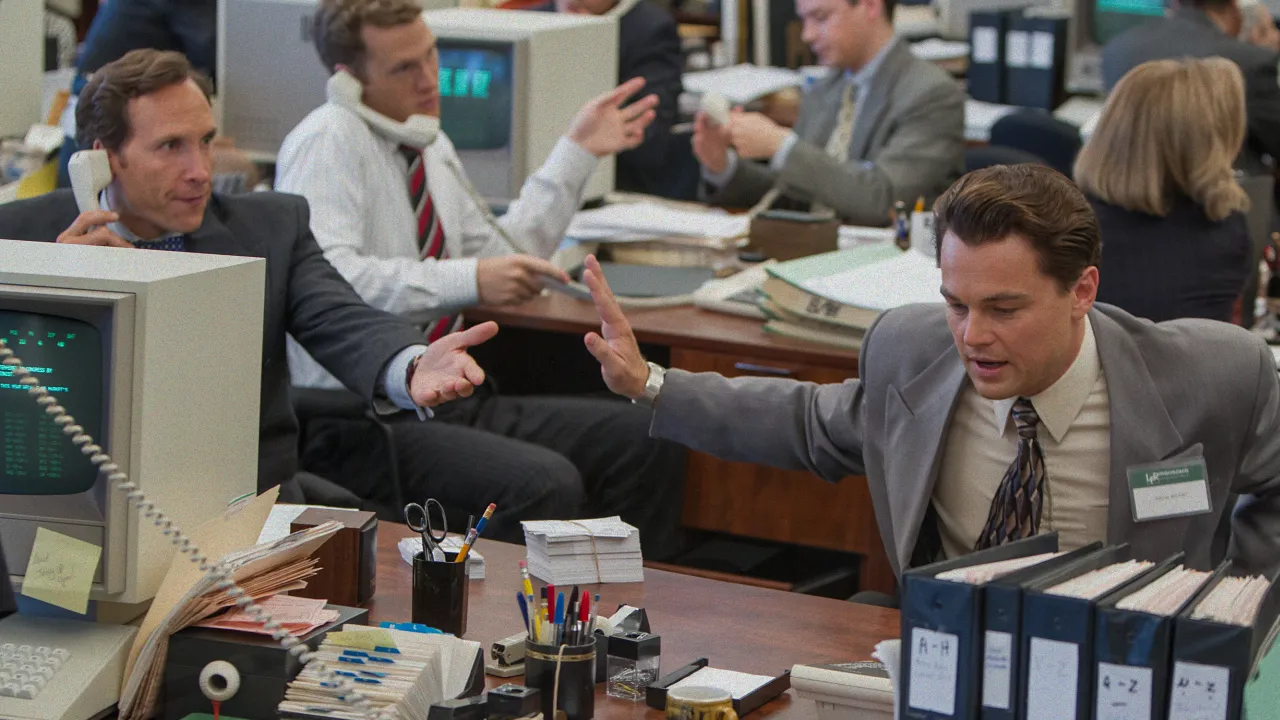
If you feel neither aligned with being an office worker nor interested in owning a business, what is this state called? And which direction should we truly move toward?
Thailand’s labor market faces challenges more complex than unemployment alone; it experiences Job Mismatch—not just a disconnect between one’s field of study and actual work, but a conflict between personal identity and desires versus traditional work structures.
No matter how skilled we are, if that skill comes at the cost of battling office politics, submitting to unreasonable rules, losing our identity in the work system, and sacrificing personal time, many begin to question whether the traditional notion of job security is truly worthwhile.
Meanwhile, the once romanticized path of business ownership reveals hidden truths: it carries heavy emotional costs, including uncontrollable risks and the responsibility of managing others’ lives. Whether as an employee or business owner, work often drains our life energy away from what we love.
This situation is underscored by the Autonomy-Responsibility Paradox—a conflict between yearning for freedom and reluctance to bear extra burdens. In reality, the more we seek control over our own lives, the heavier the responsibilities we must carry become. It feels like the more we grasp for freedom, the more we are bound to constant readiness for the duties we must uphold.
In discussions about work, we often focus on 'income' and 'benefits' but overlook invisible costs like 'psychological burden,' which is a key reason why no choice feels quite right for us.
For office workers, the cost paid is the loss of 'freedom of thought'—a state where we should be focused on creative work or problem-solving but instead are distracted by external pressures like office politics, socializing to maintain hierarchy, endless inefficient meetings, and rules that clash with our work style.
Especially for production and results-driven roles, expending mental energy on these distractions is demoralizing, time-consuming, and causes a loss of self.
Conversely, business ownership may seem freer, but it exacts a heavy 'emotional toll' too great for those who value peace. Owners can no longer focus solely on what they do best; they must handle every aspect of the business—from accounting and taxes to solving others' problems and managing emotions—which demands social energy and structural risks involving others’ lives.
If you still need to work to make a living but feel your heart rejecting both being an employee and a business owner, sustainable adjustment might begin with applying Job Crafting—designing and tailoring your current job to fit your authentic self—starting with changingyour mindsetto focus on results rather than social image.
If you must remain an office worker, try moving toward the role of an Individual Contributor—a specialist position requiring high expertise where the organization allows you to work independently without managing others or teams. At the same time, no one interferes with your work process because your results speak for themselves.
For those dreaming of business ownership but wary of risks, a solution may be creating a protective 'risk shield' through a small-scale Micro-Business model driven by a single person. The key is refusing to have employees to avoid management burdens, instead relying on automation systems as tools to handle backend tasks. This not only reduces costs but preserves agility and personal space.
Equally important is embracing 'solitude' as a strength rather than blaming yourself for lacking ambition by societal standards. A love of peace and contentment is a vital 'weapon' enabling Deep Work—intensely focused work that produces high-quality outcomes, develops complex skills, and fosters rapid learning, a rare skill in today’s chaotic world.
When we turn calmness into creative power, we realize ambition doesn’t mean having power over others but having power over our own time and life.
Remember, life’s path is uncertain; our identity, roles, and duties change over time. Today you might be a business owner; tomorrow, a salaried employee. No path is inherently right or wrong, nor more dignified. Ultimately, the 'third choice' may mean a space where you can have your own career path as you wish, free from others’ expectations or rules.