

In a world filled with hundreds of pages of scientific reports, global summits of world leaders, and carbon figures calculated precisely in researchers' laboratories, along with news published to keeppeopleinformed throughout the year, even on public holidays,
the moreinformation there is,the less progress seems to be made in solving environmental problems. Despite media campaigns and involving celebrities to amplify messages, people continue living as before without adapting to the changing world.
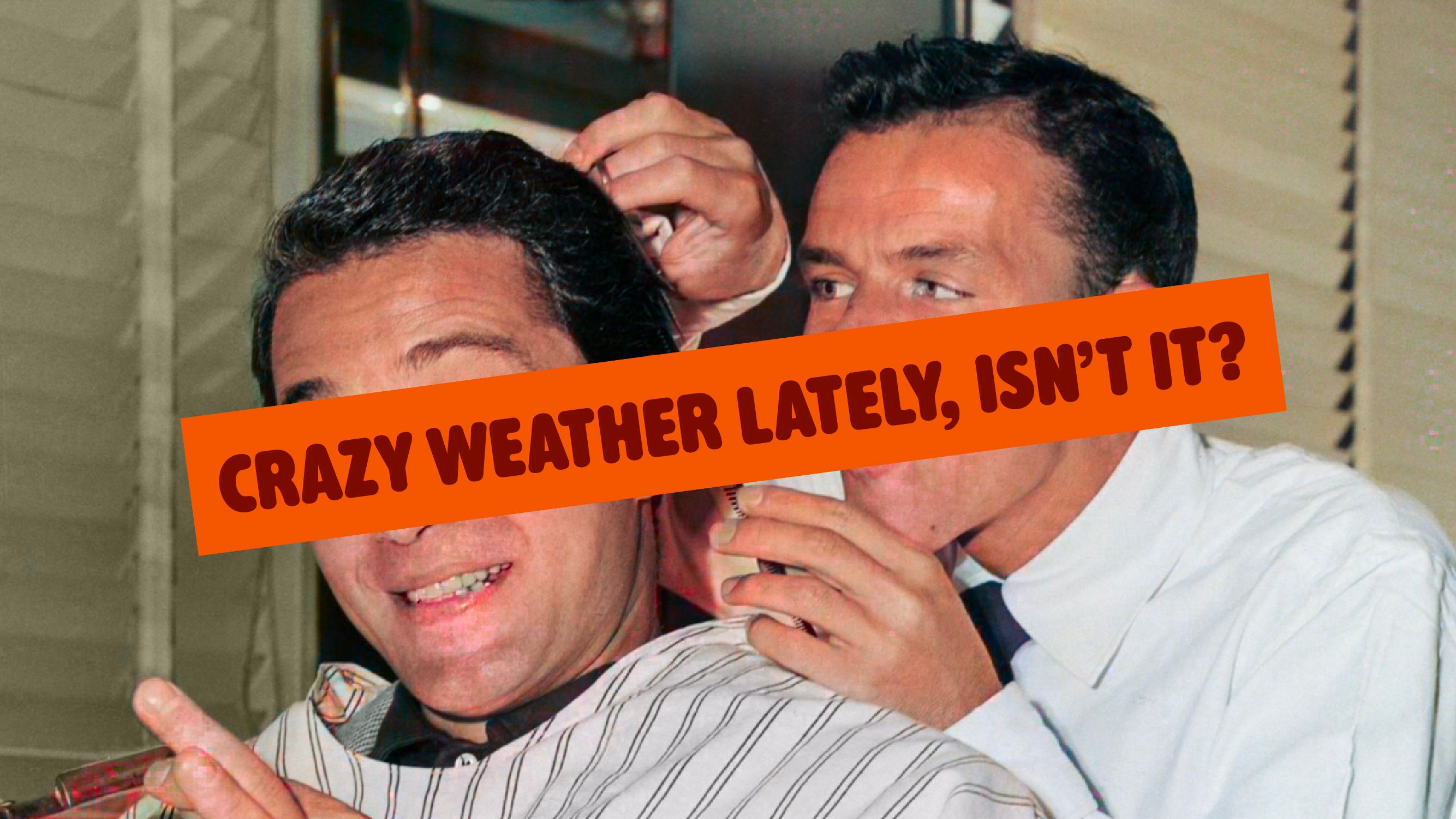
It sounds like a strange and surprising matter because, in the end, who would have thought that the person who might truly save the world could simply bean ordinary 'hairdresser'standing behind our haircut chair.
A study published by the University of Bath in the UK discussed that hair salons might be wonderful spaces for communicating about climate change, and hairdressers could be 'everyday influencers' who help encourage environmentally friendly behaviors more than just cutting hair as a job.
In preliminary tests, the study placed small messages on salon mirrors called 'Mirror Talkers' to initiate conversations about sustainable hair care, such as reducing hot water use, using only necessary products, or choosing environmentally friendly products.
The results were quite interesting: about 73 percent of customers said these conversations made them start thinking about changing their hair care habits, which also implies reducing energy and resource consumption in daily life.
This raises the question: why do people listen more to hairdressers than scientists, even though one side has expert knowledge and the other only casual chat during a blow-dry?
One answer lies in what science communicators call 'the influence of trusted messengers.' Environmental communication research explains that people tend to trust information from those they feel close to and trust more than experts who are socially distant.
Scientists may have accurate data, but to the general public, they often seem distant—located in labs, on seminar stages, or in hard-to-read reports.
In contrast, hairdressers are people we see every month, talk to about life, love, work, or stress, gradually building informal relationships. The salon also acts like a 'small community conversation space' where people open up in a friendly atmosphere with time for various discussions.
Interestingly, conversations in salons often start with small topics before expanding to bigger life issues without realizing it. When hair care advice connects to environmentally friendly actions, such as reducing hot water or product use, the advice isn’t seen as a 'campaign' but as simple guidance from a trusted person.
Another reason hairdressers have more influence than expected is trust built from experience, since customers must trust them to handle their appearance—something many people highly value.
When high trust exists, other advice from hairdressers carries more weight automatically, even if it’s unrelated to hairstyle directly.
This reflects a painful truth about climate communication today: while scientists explain the world with complex climate models and precise data, what truly changes ordinary people’s behavior may not be the most accurate information but conversations in places where they feel comfortable.
It could be said that there is already plenty of information in the world; what is missing may just be the 'intermediaries' who can translate that information into everyday life conversations.
From this perspective, hairdressers are not just people who make us look better in the mirror but also those who help make the world better through small conversations we barely notice.
References