

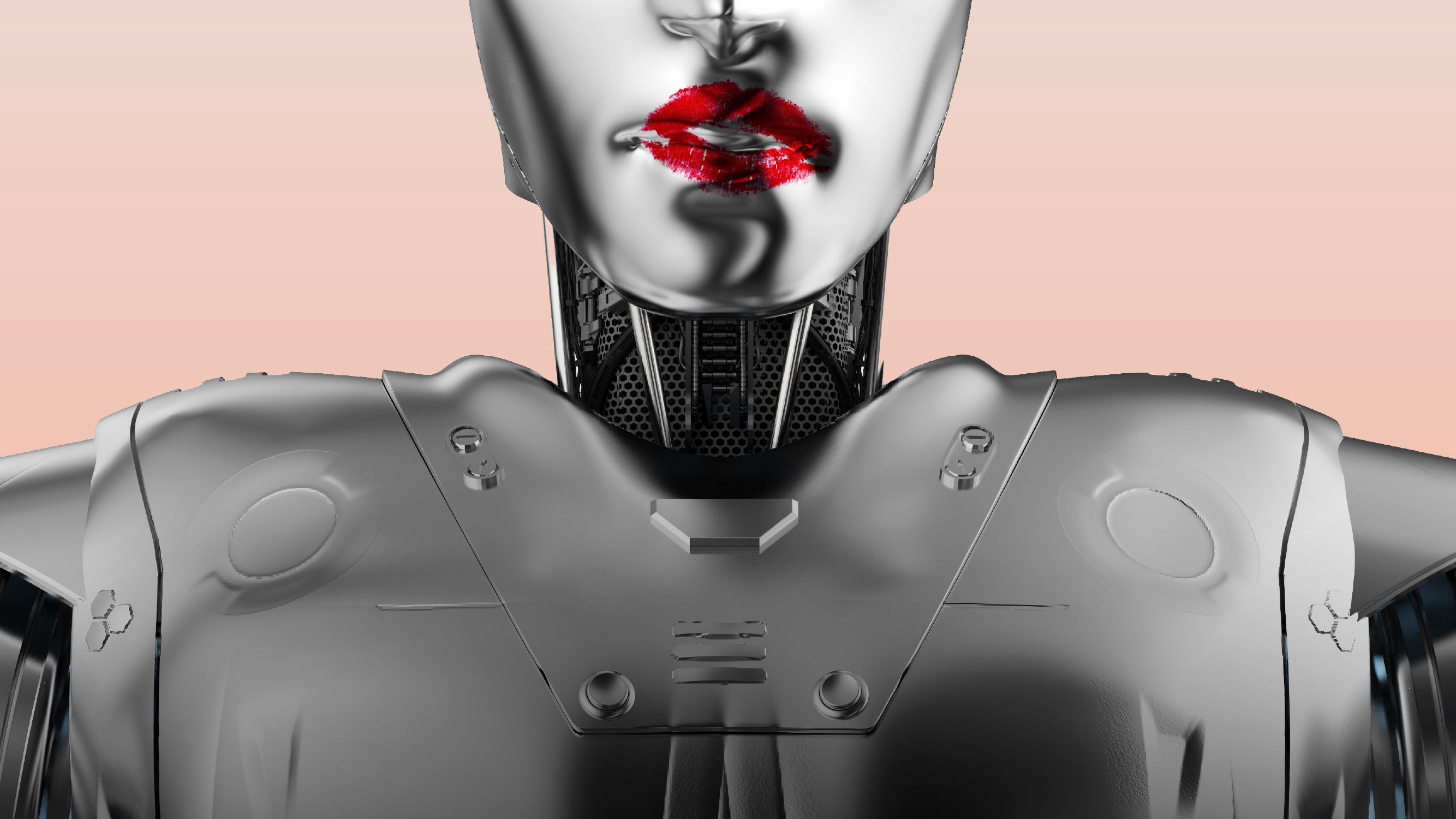
As major platforms like ChatGPT prepare to allow users to engage in explicit content, questions about relationships between humans and artificial intelligence are increasingly being discussed.
In the past, feeling sexual attraction toward artificial intelligence might have seemed unreal or confined to science fiction, but today a survey by Joi AI has found that overhalfof Gen Z and millennial respondents consider themselves‘AI-sexual.’This term refers to people who are open to sexual experimentation or can experience sexual arousal from AI.
In late February 2026, Joi AI's developer surveyed over 2,500 adults and found that 61% of respondents felt comfortable sharing their sexual desires with AI more than with real people, while others said AI helped them‘unlock’sexual tastes or interests they had never realized they possessed.
Additionally, many users employ AI in various ways, such as seeking advice on sexual issues, practicing dating before meeting real people, or even engaging in flirtatious conversations for self-pleasure.
On one hand, the turn to AI for sexual matters is understandable because chatbots do not judge, gossip, or leave messages‘read and ignored.’Thus, AI becomes a safe space that breaks down awkward barriers and allows people to openly explore their desires.
However, this survey also prompts questions since it comes from a company with a direct interest in convincing people that close interaction with chatbots is the future of relationships. Still, the figures reflect emerging new sexual behaviors in today's society.
One of the most interesting points in the report is the dismantling of the myth that AI is only for lonely people without partners, as data shows only 16% use AI because they cannot find partners in real life. Conversely, 61% say exploring sexuality with AI improves their real-life sex lives and boosts confidence or feeling sexy.
Even people in relationships use AI as a tool to find ideas for activities with their partners, and notably, some find the idea of‘having AI as a third partner’in their relationship quite exciting.
However, AI's role in relationships is not solely positive. A report from Ifop, conducted with Gleeden in France surveying 2,600 people, indicates such platforms tend to encourage addictive behaviors.
The survey found that 53% of those who have used romantic chatbots admit to experiencing addiction to romantic interactions with AI, while 38% feel addicted to erotic or explicit conversations, especially men under 35.
A major concern is the potential impact on those in relationships, as nearly half of users who have engaged in erotic AI interactions admit sometimes preferring virtual gratification over real sexual encounters with their partners.
At this point, AI's role shifts from being‘a supplementary assistant’to something that may cause tension and threaten real-world relationships.
Currently, using AI for sexual purposes remains a minority behavior overall, accounting for about 8% according tosurveysinFrance,but this trend is rapidly growing among younger generations, especially men under 35.
Ultimately, the‘AI-Sexual’phenomenon may be both a marketing term and a real social behavior emerging simultaneously. What we are witnessing now is a new form of relationship where AI is no longer just a technological tool but is becoming a space for self-exploration, emotional support, and potentially a source of new relational challenges that human society has yet to face.
References: