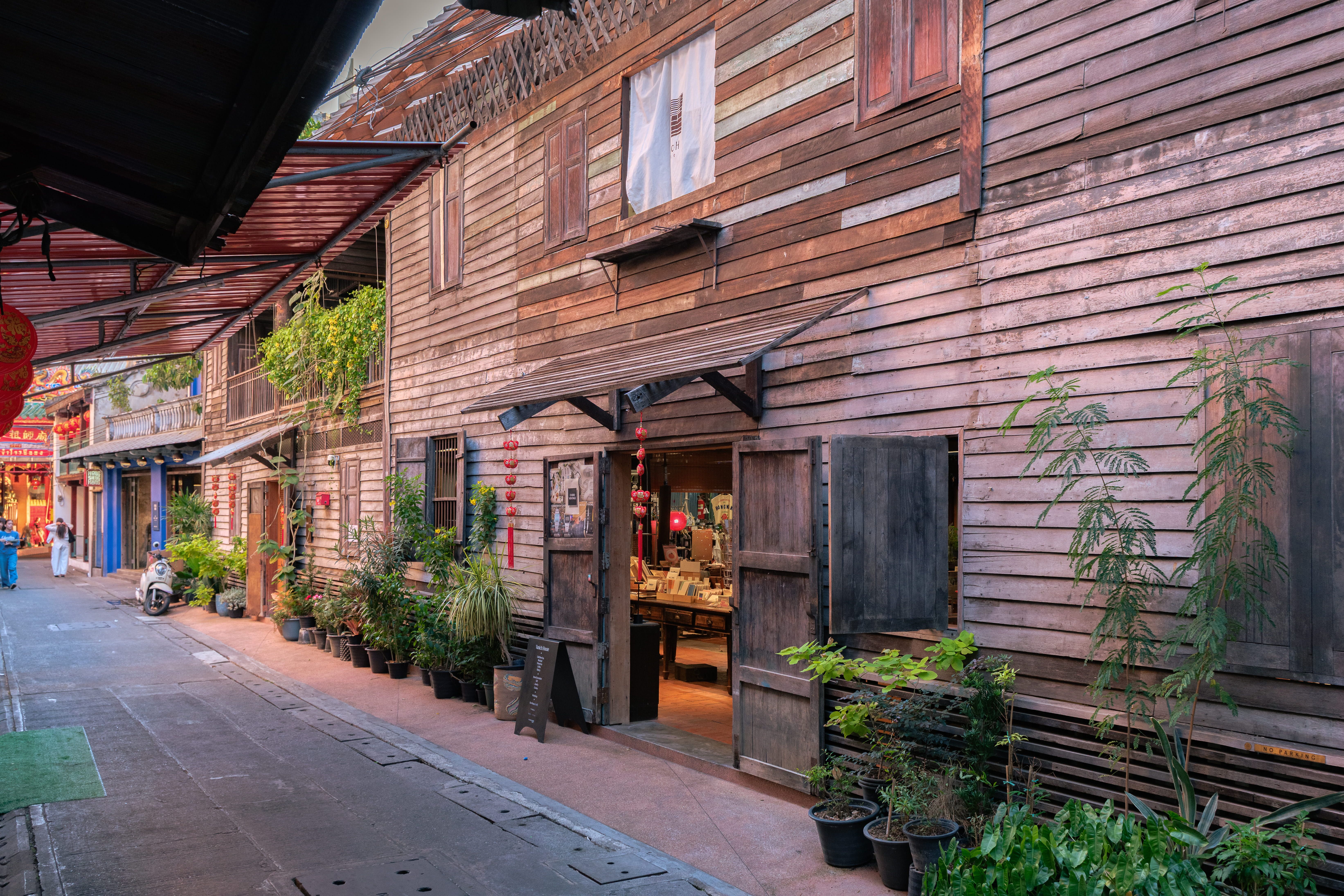
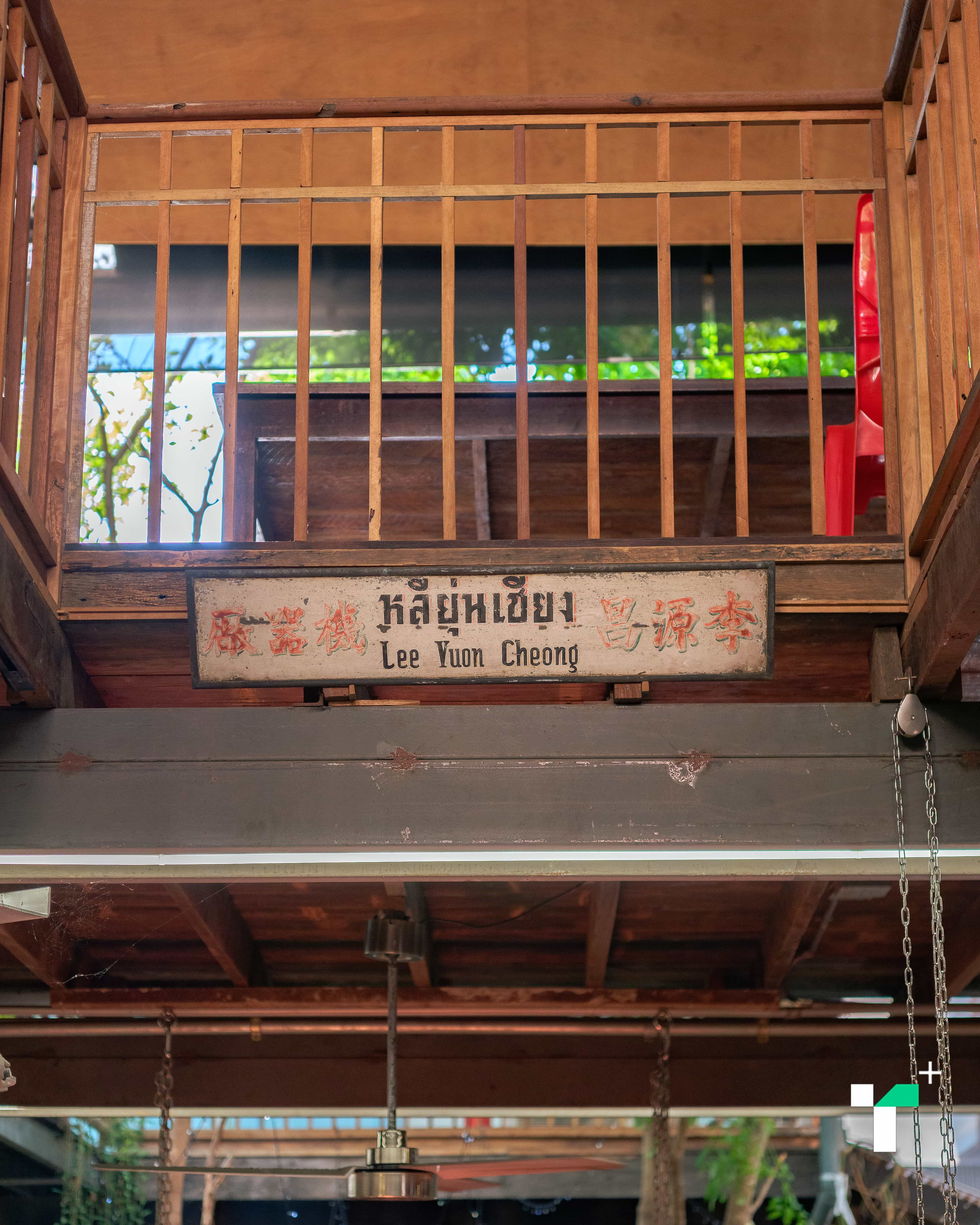
Several years ago, anyone walking into Vanich Alley and turning into Jow Sue Kong Alley to reach the shrine would find an old wooden building. This site once housed the Yu Chiung machine workshop, established in 1927, which specialized in large steam machinery supplied to rice mills. The wooden building was designed as a company hall with space to accommodate a large family, blending workplace and home. After business declined, the workshop fully became a home, yet retained the family business’s nostalgic atmosphere for remembrance.
Now nearly 100 years old, the building remains the residence of Kach - Kachwisit Rirermvanich and Pui - Sasikan Supradit Na Ayutthaya. Kach is the sixth-generation heir of the family’s machine workshop business. The old wooden building has transformed into Vanich House—its name combining Vanich Alley 2 with the word 'house' to represent a space not just for one person but a large family home that opens its undercroft to welcome visitors to use the space collectively.
“My partner and I are both architects, so we talked about renovating the house to bring it back into use,” Kach said. “Although the machine workshop eventually closed over time, our home has always been here and hasn’t gone anywhere.”
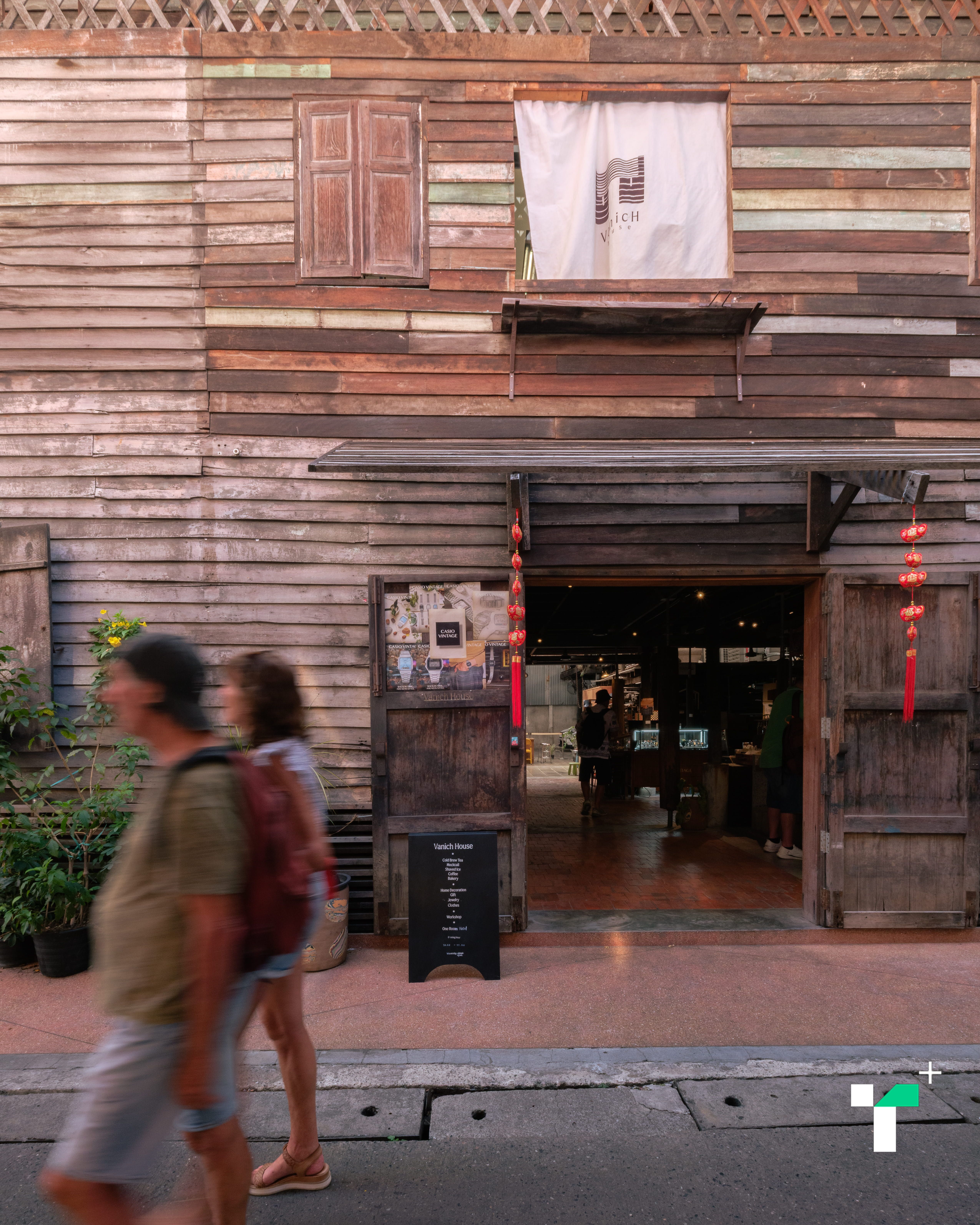
Kach explained that the major turning point began when the architecture firm Physicalist, owned by him and Pui, relocated back to the house. This prompted a major renovation due to the building’s deteriorated condition—poor lighting in some areas, leaks, and internal humidity. Kach applied the concept of regeneration to restore the building’s function while using architectural skills to redesign the space. He preserved the original structure but 'lifted the house' by raising it onto reinforced concrete, replacing the old wooden posts set directly in the ground. This maintained the building’s identity in both space and feeling. To solve dim lighting, he replaced the corrugated metal roof with a translucent one and raised the roof slightly to improve heat ventilation and airflow.
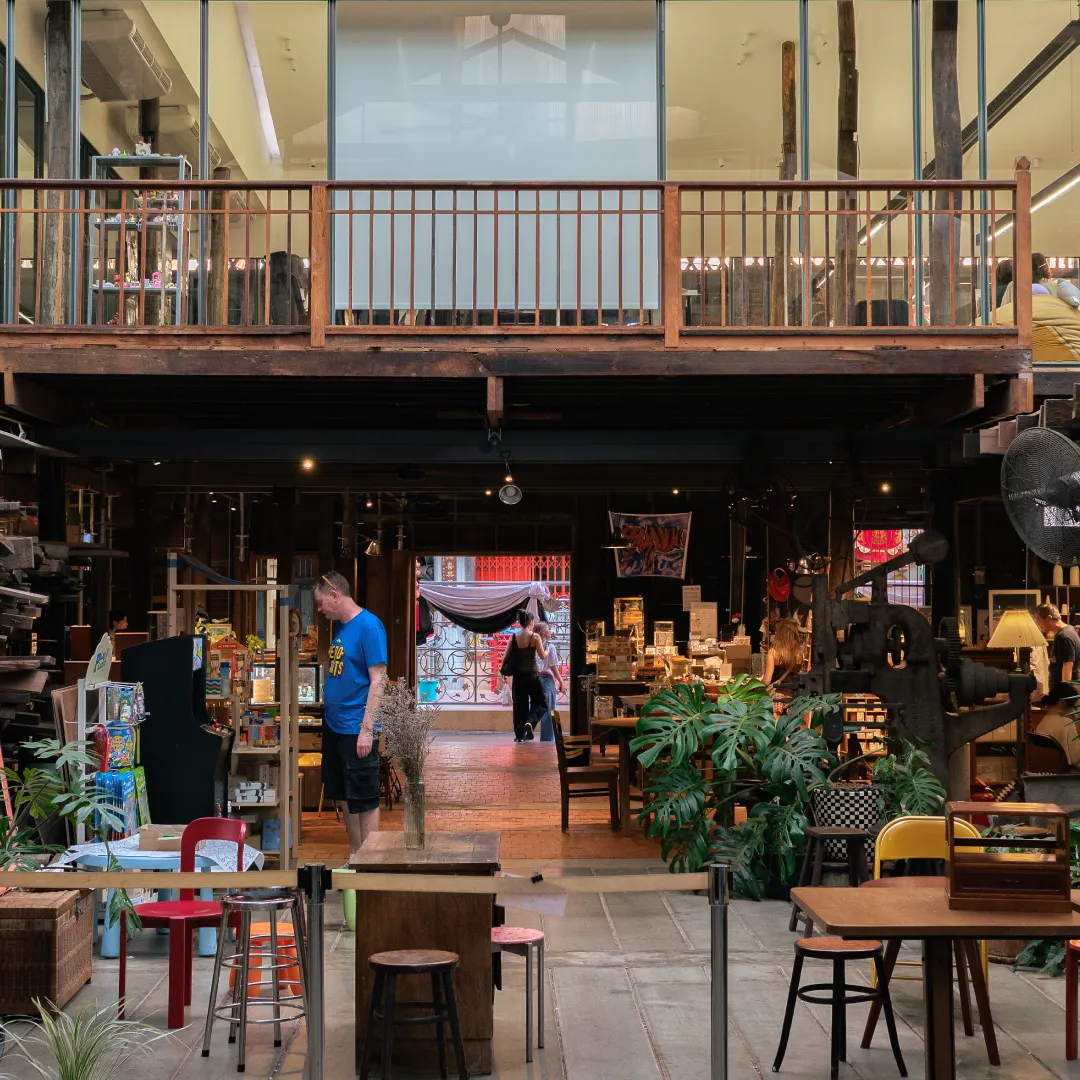
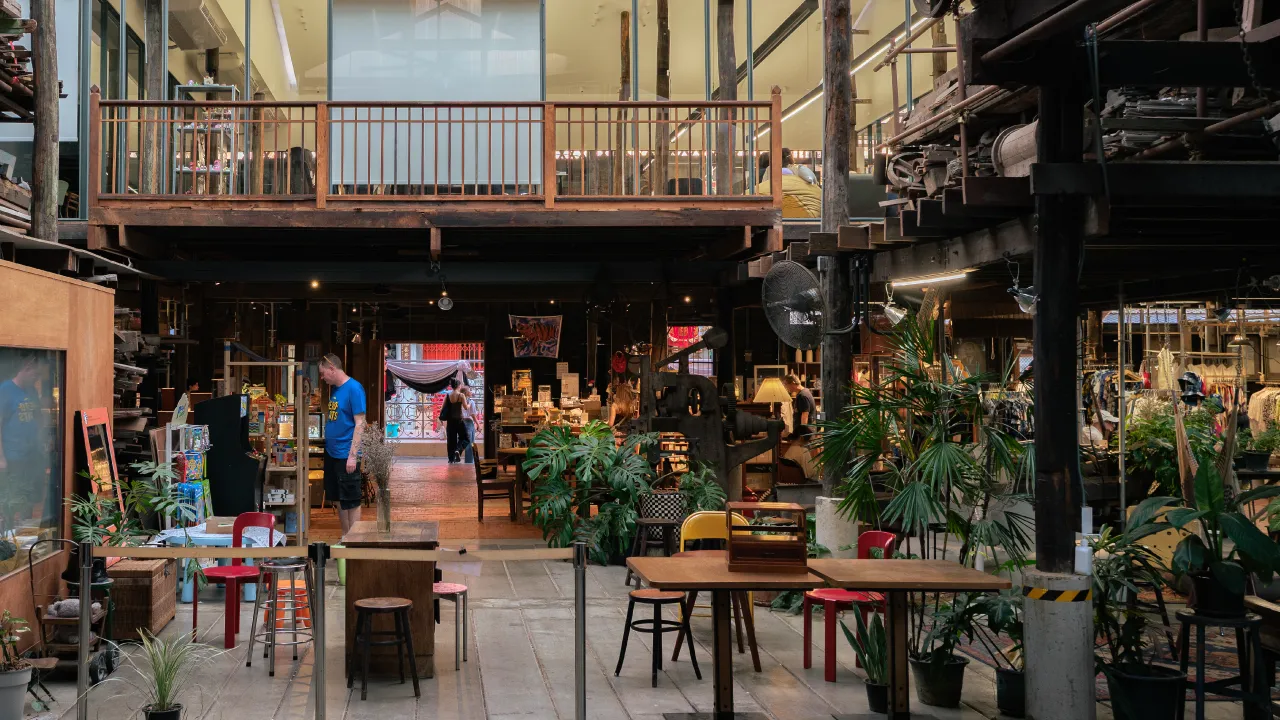
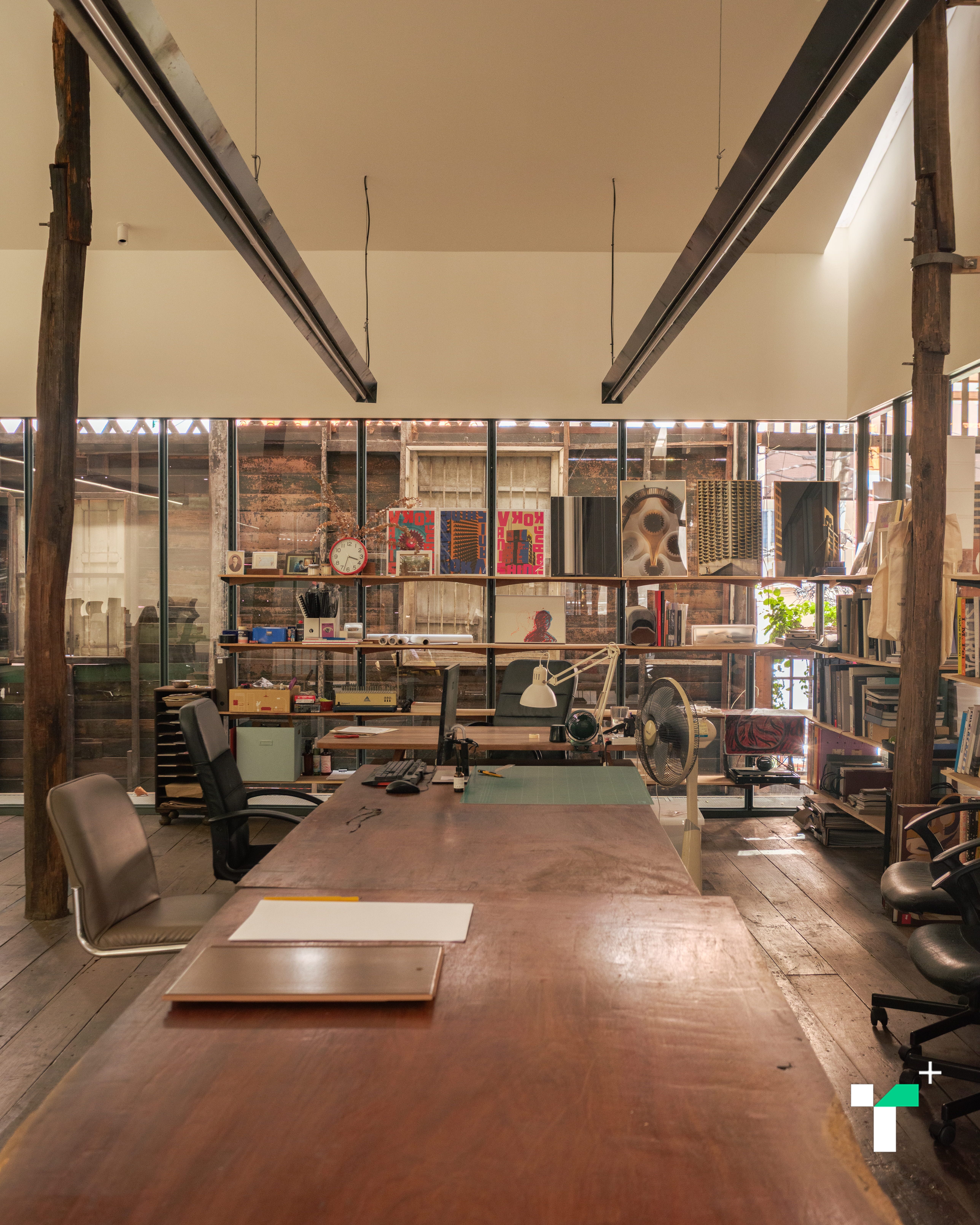
Physicalist occupies the second floor in a newly added glass box above the ground floor, which Kach designed as a public area. As the Talat Noi neighborhood shifted from commercial and industrial functions toward a cultural zone, the undercroft was transformed into Vanich House café—a place where people can sit, chat, and relax amid the original company hall’s structure.
Old furniture, still full of charm, complements the atmosphere. The space later expanded to include a select shop selling various design pieces from friends, alongside a Pacman arcade game—a fun idea intended for their daughter to save small earnings toward her tuition.
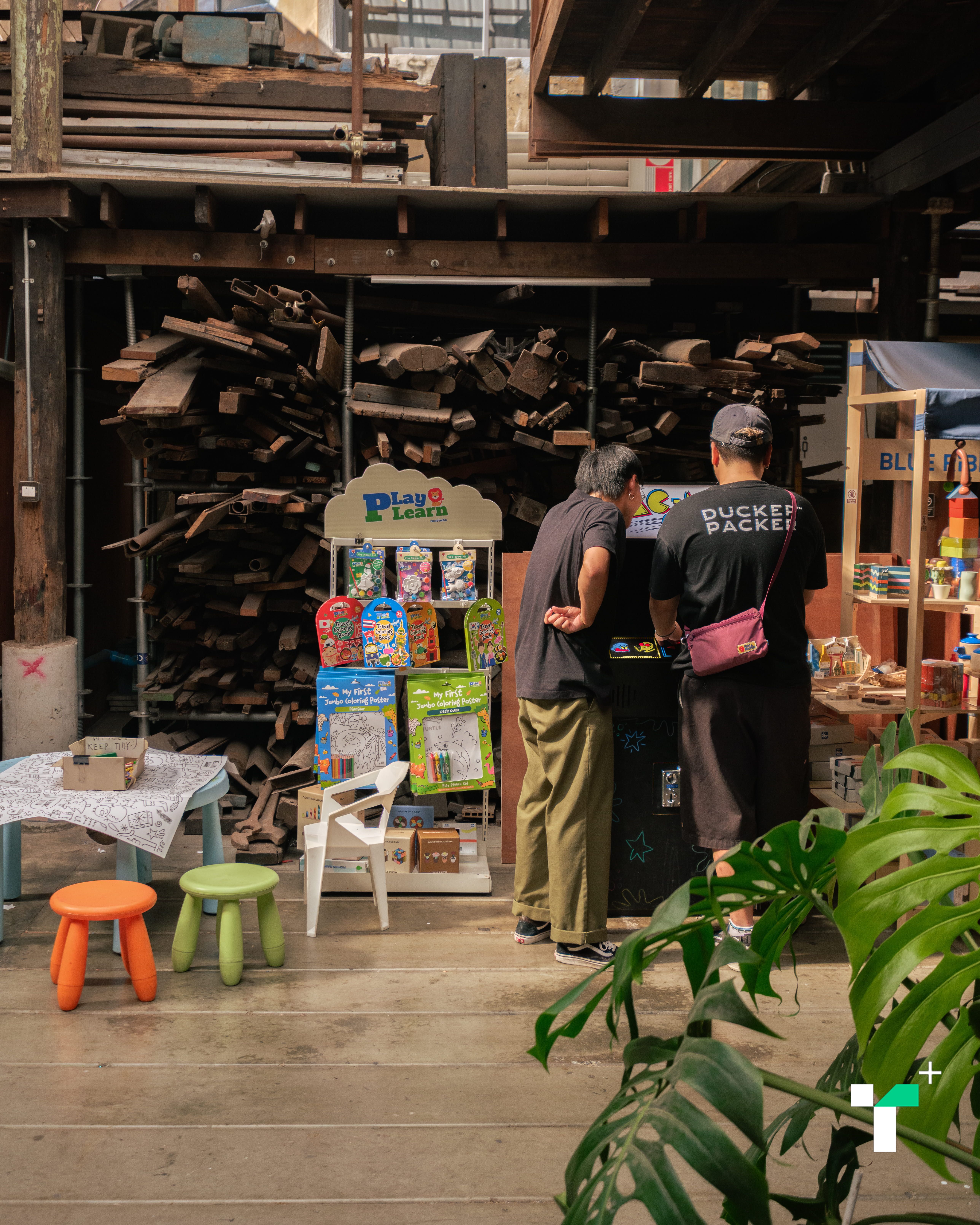
“It’s become a public space where you can come and sit without buying anything, just walk around, rest, and drink water. The atmosphere is of an old-style building with a garden,” Kach explained.
The original wooden building on Jow Sue Kong Alley has shifted from a machine workshop business to Vanich House and the Physicalist architecture firm, serving as a public space. Recently, Kach has started using Vanich House as a residence by converting a former worker’s room on the second floor into an Airbnb. This idea came from Pui, who thought it suited the Talat Noi neighborhood and took advantage of the beautiful river views.
The room’s design incorporated AI-assisted ideas and was named the Mechanic’s Room. Access is via a spiral staircase, with an electric hoist installed to ease lifting heavy luggage. This unique feature maintains the building’s original character, which Kach said guests have greatly appreciated.
Besides the café and select shop, there is a zone suitable for events and workshops, though this was not initially planned by Kach. Many activities have since been held, including markets, architectural case studies, art exhibitions by Thai and international artists, and workshops such as ceramic glass shaping run by the Facebook page Ban Goo Eng at the Contemp Creature area. Emerging designers also use the space, making Vanich House a venue that fosters conversations, inspiration, and relaxed collaboration.
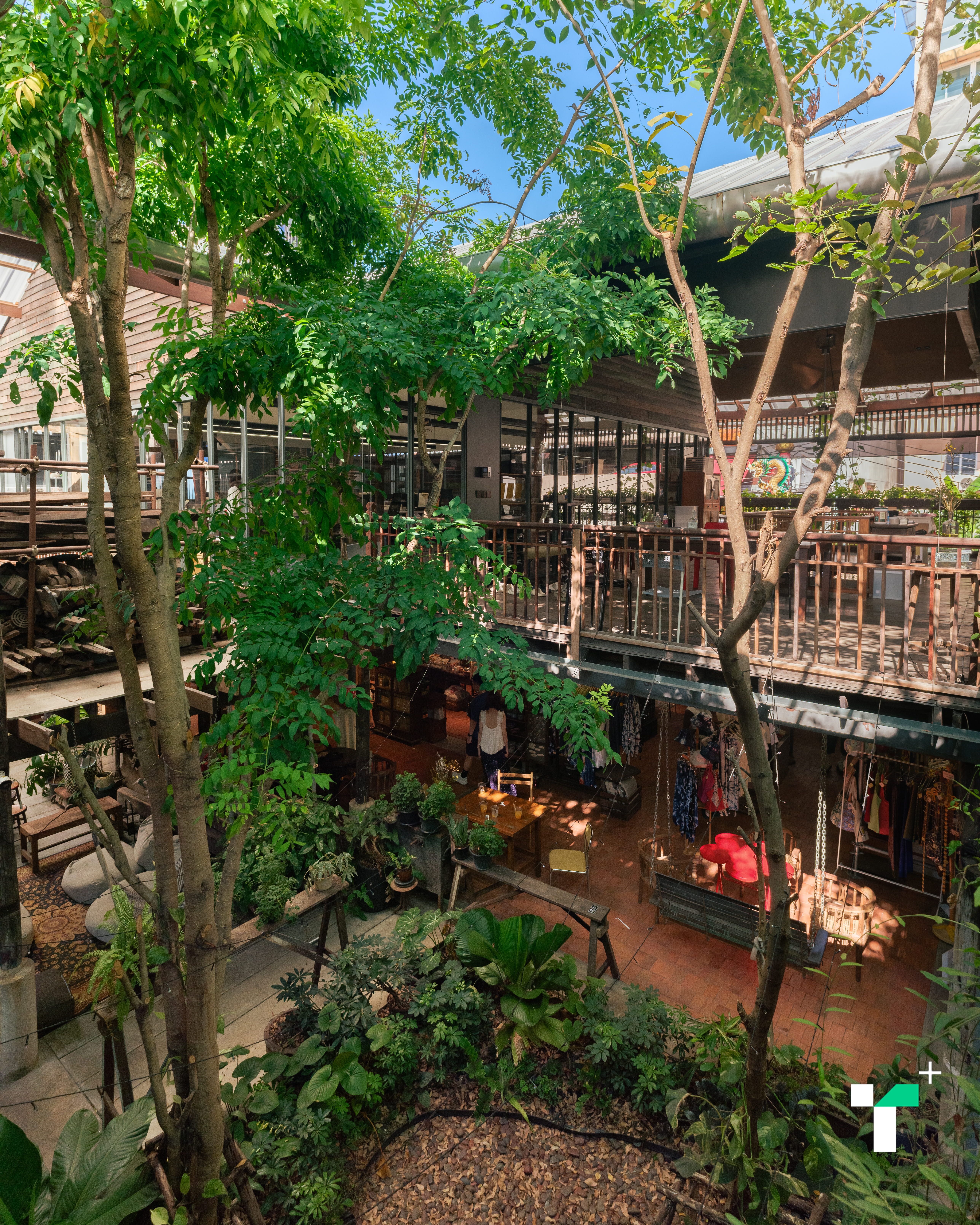
“My partner always says the product of Vanich House is the space itself. It’s loosely arranged to include F&B, commercial areas, workshops, and exhibitions. It’s like a home where the undercroft is opened for people to come and hang out,” Kach said.
Vanich House is located in Vanich Alley 2, opposite the Jow Sue Kong shrine. It is accessible by MRT at Hua Lamphong Station, followed by a 700-meter walk, or by motorcycle taxi. Besides food and drinks, there are interesting activities available, which can be contacted via Facebook: Vanich House.