

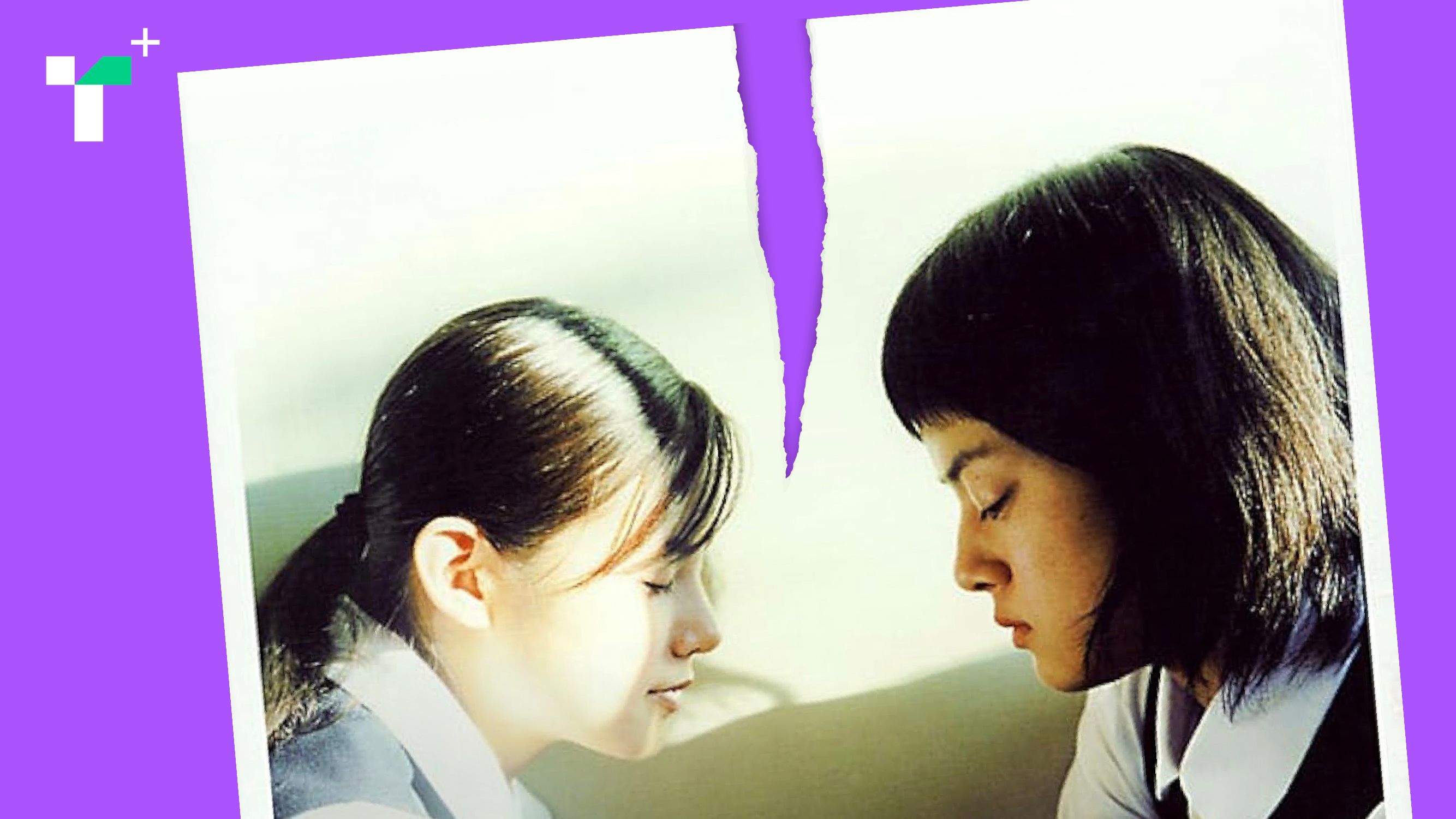
Have you ever wondered why some relationships hurt us so deeply?
It’s not pain from physical harm or fierce arguments that leave us unable to face each other; rather, it’s a growing unease that builds up inside whenever a notification from “that old friend” pops up on the screen. This feeling is a mix of exhaustion, unspoken anger, and a bond that’s hard to sever because we’ve known each other long enough to realize they won’t change—and we ourselves are reluctant to leave the relationship (or even if we want to, it’s not that easy to act on it).
There are shared secrets and repeated small hurts too minor to confront. Beyond our private issues, other friends try to mediate, pressuring reconciliation without understanding how long we’ve endured tolerating ‘just a little’ and letting things slide. If the friendship can’t return to how it was, we risk being labeled the villain who ruins the social atmosphere instantly.
Our minds are clouded with countless thoughts like comic strip bubbles above our heads. Meanwhile, the other person probably doesn’t have us on their mind at all.
Moreover, for some, managing relationships has never been a chronic problem. Whether toxic partners, exploitative coworkers, or difficult people, they handle it all smoothly, which only deepens our confusion.
But when our hearts start to feel bruised and we must still stay, we have to find ways to cope with this deteriorating friendship. This article is dedicated to the “kind souls who are hurting”—those who respect themselves and manage nearly every aspect of life well, yet find themselves trapped by the long-standing bonds of friendship.
Let’s begin by exploring the question: “Why do the standards we use to judge romantic partners and friends differ in length?”
In romantic relationships, we often focus on the future. If a partner makes us unable to see a happy tomorrow, a self-respecting person will find it easier to walk away, because they love their “future self” more than a relationship that eats away at their heart. But with old friends, the dynamic is different. Long-term friendships serve as an “identity anchor”—a psychological concept explaining that our sense of self isn’t created in isolation but defined through connections to external things like places, careers, and most importantly, relationships.
Breaking up with a lover is like moving house; ending a long-term friendship with overlapping social circles is like demolishing a building full of residents. We may not fear losing this friend per se, but we dread the collapse of the surrounding ecosystem—how will other friends in the group react? What about parents who trusted us with this friendship? And if someone asks about them, must we recount the whole story?
If you share these concerns, it reflects your desire not to cause discomfort for others, which leaves you suffering alone.
Most importantly, we might be clinging to an outdated image, trying to stay loyal to the child we once were who loved this friend deeply, allowing the present version of that person to hurt us repeatedly simply because we don’t want to destroy our own “history” or the good memories we share.
Next, why does greater familiarity often lead to less respect?
We often believe closeness creates a safe space, but in a deteriorating friendship, intimacy can open the door to boundary violations—missed appointments without explanation, ignoring feelings, or neglecting burdens once shared. These aren’t mere personality quirks; they question the very “respect” we owe each other.
If you’re always the “responsible friend” in your group, you might have asked yourself, “Why must I become the therapist, the burden-bearer, the sacrificer just because I handle life better?” This reflects how society often supports those who seem vulnerable while neglecting those perceived as strong.
When we set boundaries, we’re seen as narrow-minded, even though all we want isn’t a hero to rescue us during storms, but just a friend who won’t be the storm itself. Sometimes, we don’t even expect acknowledgment or thanks for our kindness. Yet, even with such low standards, expecting these basics has become difficult.
The reason respect often diminishes over time is due to the “Familiarity Trap.” Once the initial distance breaks down, friends see us less as outsiders to respect and more as extensions of themselves, free to vent or neglect as they please. Meanwhile, emotionally mature people tend to compromise to preserve relationships, unintentionally teaching friends that “hurting us comes without consequences.” Thus, boldness replaces respect, as they believe past bonds serve as insurance allowing them to harm us repeatedly without fear of losing us.
Could what we’re experiencing be called a Love-Hate Relationship?
This may be the toughest puzzle: we don’t hate the person, but we suffer from what they do. It’s a psychological battle between a friend who shared our joys and sorrows in the past and a self-centered person today.
Though we remain that kind person ready to advise and support, each time we give our heart, it feels like pouring water on a fire that never dies out—only to be hit back with choking smoke.
Often, we sympathize, thinking maybe our friend’s hurtful behavior is because they’ve just faced hard times. Then guilt kicks in: “If I ignore them, am I being cruel?”
But if we center ourselves in this story, a more important question arises:
If we allow ourselves to be trampled on just so they can keep their bad habits...
“Is that kindness or collusion in self-harm?”
It’s time to find an ‘exit strategy’ without ‘quitting’ the friendship.
When ending the friendship isn’t an option, and direct confrontation is exhausting for mature people like us (or has been tried without success), the author suggests a survival method: “Emotional Resignation” in various forms.
Redefine the relationship: Stop labeling the person as a “close friend” if that term brings burden. Instead, call them “someone with shared history,” “a witness from youth,” or any term that doesn’t imply they are the most important person. What once irritated you becomes emptiness. Your inner voice might say, “Well, others have treated me this way too, so what?,” or “Sad but indifferent,” or it might fall silent altogether. Disappointment fades to zero. This aligns with Social Exchange Theory (Thibaut & Kelley, 1959), which views relationships as a balance of “what you get” versus “what you give.” Lowering someone’s status lowers expectations, easing past disappointments until they no longer have the power to hurt you.
Step down from being a second parent: You can acknowledge what’s entrusted to you but need not carry it. Dare to “stay silent” when they choose to self-destruct. What you should do is return responsibility to them and their family. We’re not emergency rescuers, and a failing friendship isn’t charity requiring us to sacrifice ourselves to prove generosity. This isn’t abandonment but “restoring boundaries” to the relationship, clearly separating what belongs to us and what belongs to them. This fits the concept of Enmeshment (Minuchin, 1974), describing blurred personal boundaries where we carry others’ burdens as our own.
Practice being “as boring as possible”: When facing them, be politely friendly, exchange brief questions and answers, avoid opening space for boundary crossing or energy-draining advice, making interactions dull. They will then seek others who respond more vividly. This technique, called the Grey Rock Method, is a psychological tool for dealing with troublesome people by appearing uninteresting and indifferent without arguing or repeated explanations.
Ultimately, managing a fading friendship may not require a “cut-off” conclusion but rather a “repositioning” in our lives. We might still be in the same group, laughing in the same conversations, but no longer standing in the same spot.
Because growth doesn’t always mean bringing others along but accepting that some people can remain in our lives—just at a distance that doesn’t harm either side.
And that’s not cruelty; it’s a mature decision to preserve self-respect while keeping good memories intact, allowing us to recall them fondly without waiting for the friendship to completely collapse.
Author: Pitchawadee Chaiyachana