

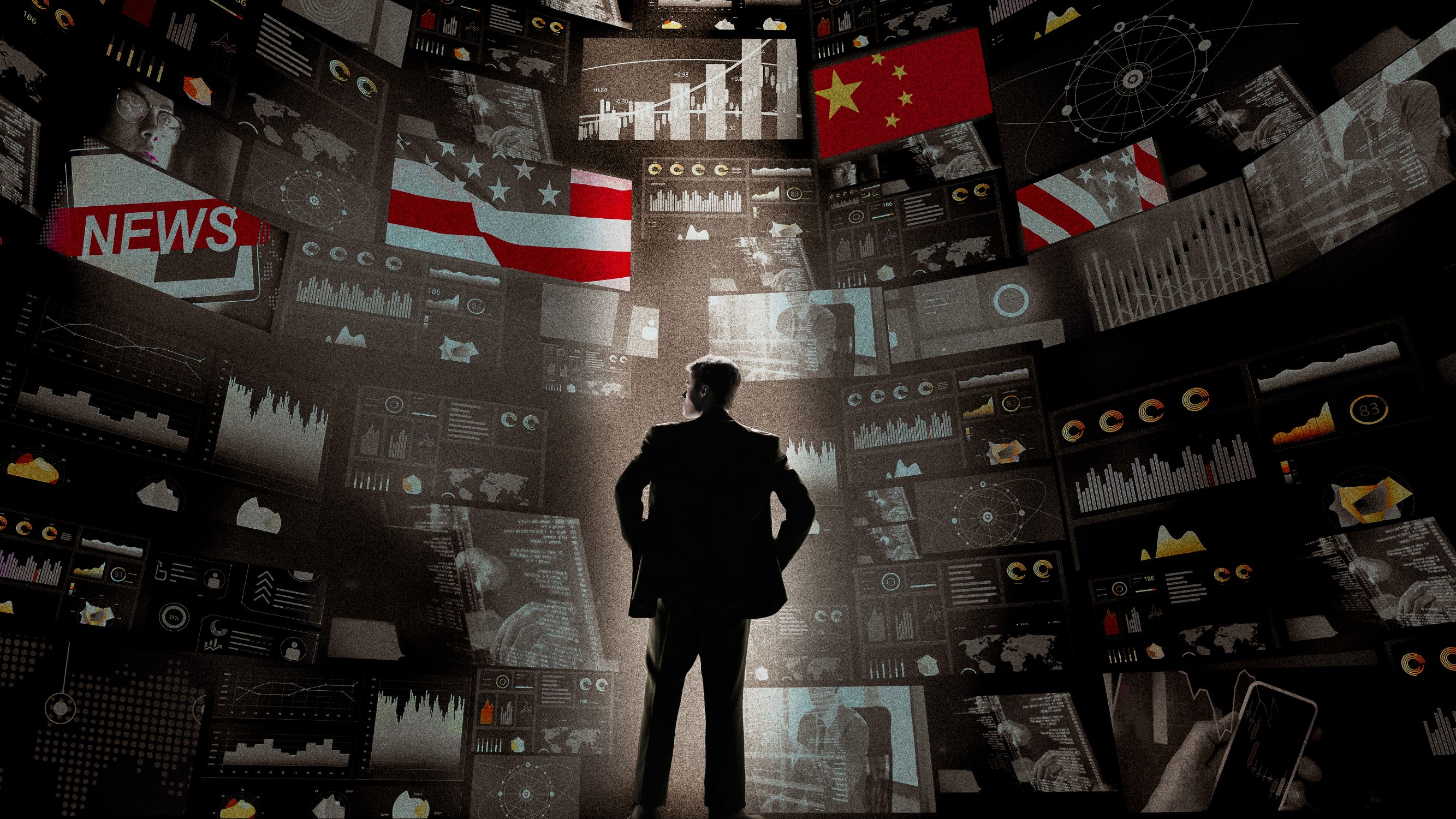
Previously, we tended to learn to handle one thing at a time, solving problems individually—for example, addressing economic downturns by adjusting interest rates, or seeking clean energy when the environment was damaged.
But in 2026, clinging to tackling challenges one at a time and waiting for national problems to resolve before adapting may lead to ongoing burnout and despair, because the reality is crises don’t come singly but in domino-like sequences, toppling one after another.
This condition is what scholars and global organizations call "Polycrisis"—overlapping crises from geopolitical, economic, and environmental factors merging into a disaster more severe than any single issue.
A clear example is the crisis at strategic points in the Middle East disrupting oil supply chains, causing energy prices and living costs to rise. When citizens struggle, some countries experience protests and unrest.
As global citizens needing to survive amidst these overlapping crises, we may need adaptive strategies divided into three key points:
Start by abandoning compartmentalized problem views and instead adopt systemic thinking. The Change Theory by Prochaska & DiClemente teaches us that change is not sudden but a gradual process—from Preparation to Action and Maintenance.
Knowing change unfolds gradually, in daily life we can slowly seek advantages, such as developing versatile skills or investing in assets resilient to political and economic volatility, so small efforts can strengthen our stability across multiple areas.
In a world where everything is interconnected and affects each other, the idea of maximizing efficiency might become a weakness. Conversely, flexibility emerges as a strength applicable in many cases.
We should not place our lives at risk from a single source, whether it’s one income stream, one energy source, or one social media platform. Building redundancy and alternative options in daily life is not wasteful but smart risk management amid unpredictable crises.
A silent threat accompanying Polycrisis is absorbing bad news and burning out unknowingly, as we may feel overwhelmed by global problems, leading to analysis paralysis where decisions become harder.
We might try setting boundaries on what decisions we can make, focus only on what we can control, shift attitudes from fearing failure to learning from mistakes, and let emotional intelligence guide us ahead of fear, so we remain creative in problem-solving even during crises.
The modern world needs not only specialists but individuals capable of constantly adapting management. The real danger of Polycrisis is not the crises themselves but relying on old ways of thinking and single-issue fixes to handle an increasingly diverse and complex world.
Therefore, understanding Polycrisis is not to instill fear but to see interconnected contexts as opportunities to create new things. Emergent Theory from the book "Emergent Strategy: Shaping Change, Changing Worlds" by Adrienne Maree Brown teaches that great change arises from small, connected actions.
As Michael Lawrence, a Polycrisis researcher at the Cascade Institute in Canada, commented, "We must turn this chaotic time into an opportunity to reorganize society."
In days when the world is unsettled by many issues simultaneously, survivors won’t be the fastest runners but those who see how every crack connects and know how to stand firmly amidst those divides.
#ThairathPlus #Thairath #GlobalCrisis #Polycrisis