

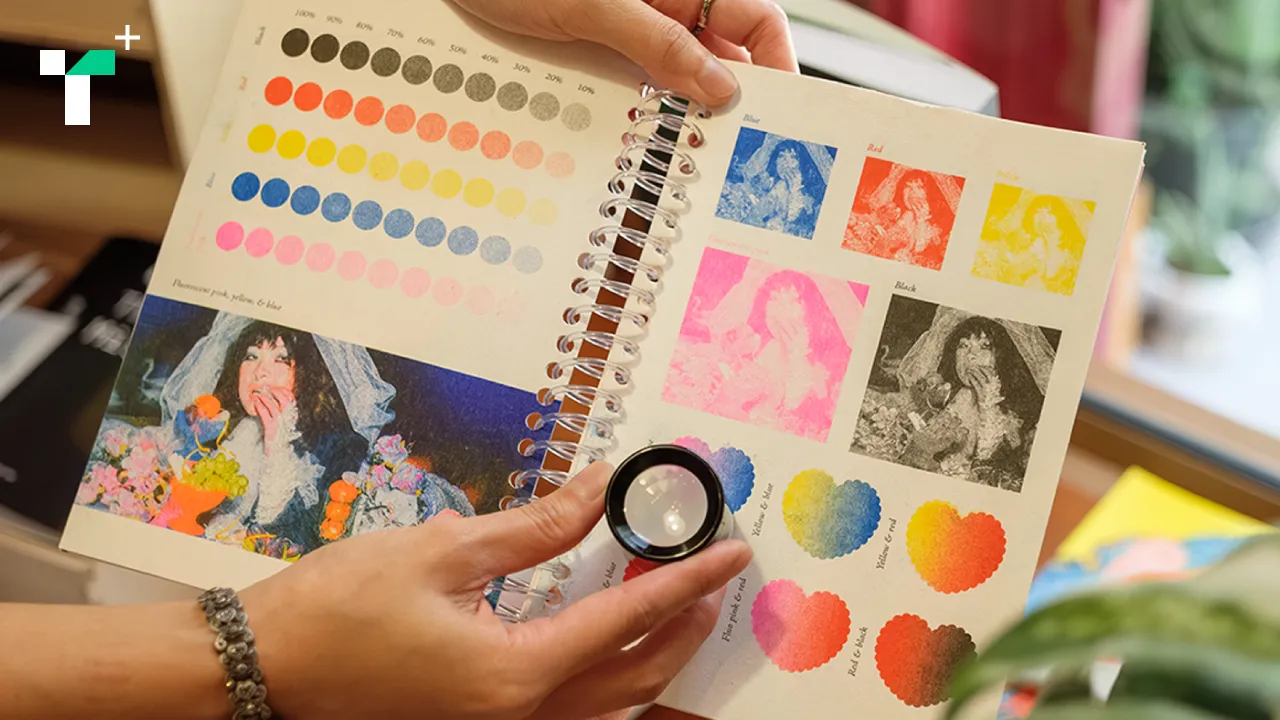
Is it true that people today have lost interest in print media?
This brief question challenges assumptions in the digital age and serves as the starting point to introduce 'Se—ri Studio,' a new creative space located in Soi Charoenkrung 43 that deliberately goes against the claim that print media is dying.
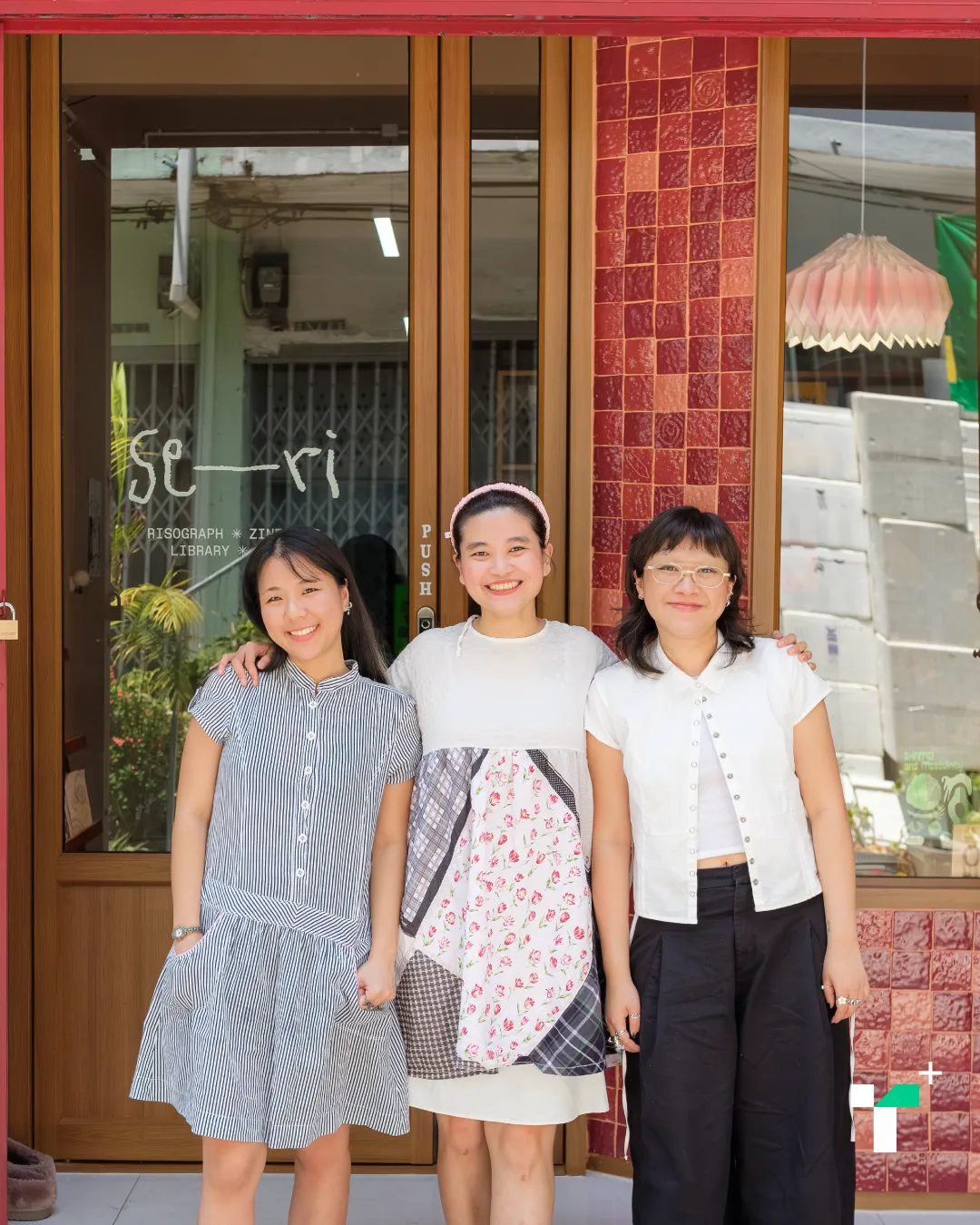
Here, you will find a Risograph print studio, a handmade book (zine) shop, a library, and a community space. It was created by three founders, each with diverse interests: Pin, who is passionate about zines and printmaking; Rada, who already works with books and graphic design; and Thian, who has a longstanding interest in opening a creative space.
Three dreams and one bookstore
Se—ri originated from the collaboration of these three founders while they were pursuing their master's degrees in England: Pin Panita Siriwongwan-ngam, Rada Rada Musikaratt, and Thian Preechaya Ostanont.
Pin said, “While in England, I socialized with an LGBTQIA+ queer Asian community there, which introduced me to people from many countries, especially from our region, that I rarely encountered in Thailand. Returning home, I felt such communities help build unity, so I wanted to create more spaces like that here. Thus, Se—ri’s main themes focus on queer and feminist issues, along with supporting Southeast Asian artists.”
Thian added, “Having lived in London, I saw many shops and spaces that provided safe places for queer and marginalized groups to be themselves. Although such groups are growing in Thailand, it still feels less defined.”
Looking at Thailand’s design scene, they observed that male dominance still strongly influences the field. Even though younger generations and queer artists create works addressing diversity and sensitive marginal issues, there remain too few safe, supportive spaces for these communities. Se—ri Studio was born to fill that gap.
Library and space
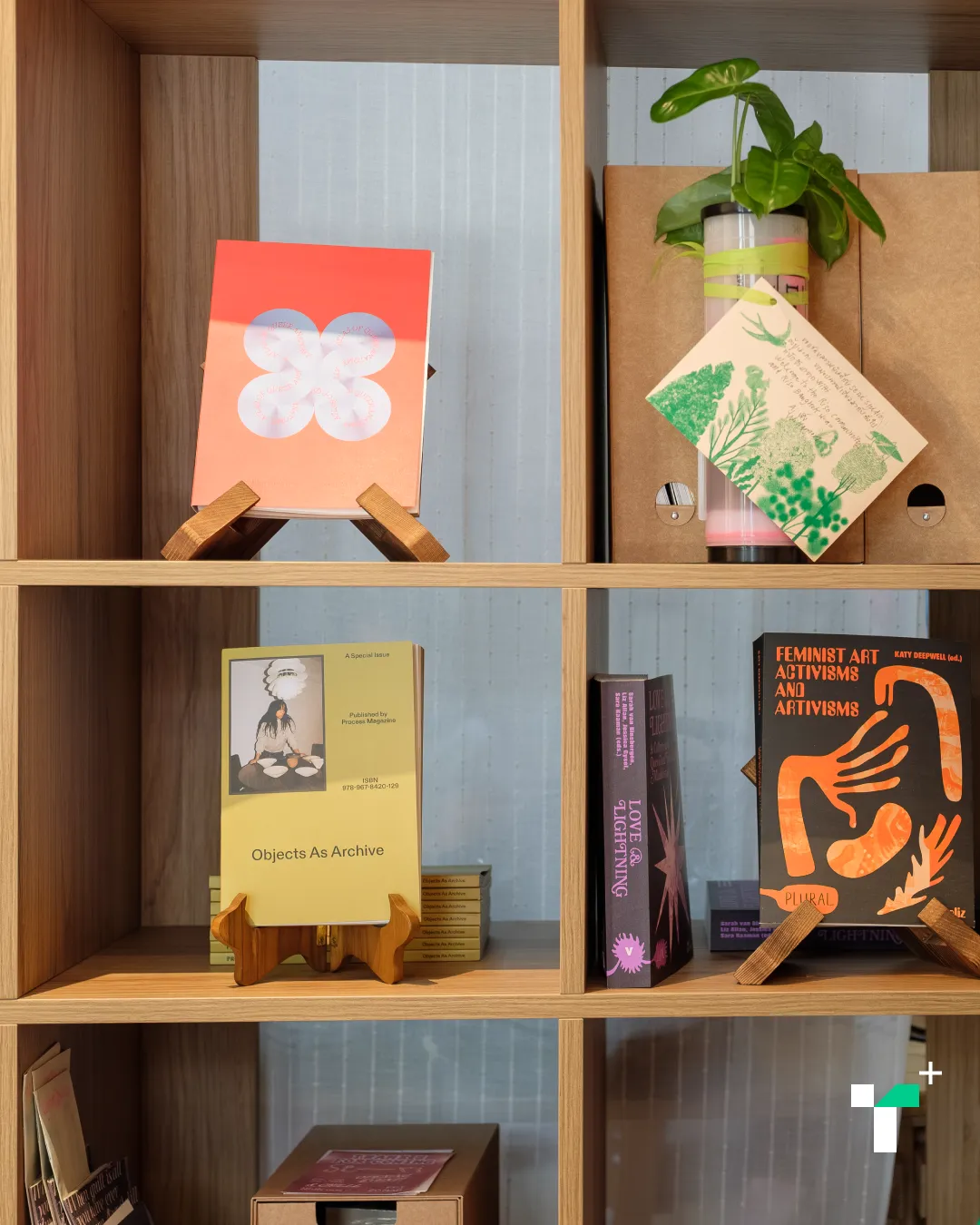
The library and space concept arose from the founders’ love of reading and book collecting. Each owns a personal collection ranging from general books to handmade and picture books. Combining these, the upper floor was transformed into a small library to share this unique knowledge collection with visitors.
This same area also serves as a workshop space. Thian shared that she has an interest in psychology and wanted to create a space focused on mental well-being. When joining Pin and Rada to open the shop, her dream project took shape with added depth.
Thian said, “The upper space blends many elements. We focus on mental health but also discuss queer and feminist topics, creating an increasingly open space for all genders.”
She continued that she previously organized 'Creative Night,' a discussion event inviting creative professionals from various fields to share perspectives and build a strong real-life community.
Sales and printing
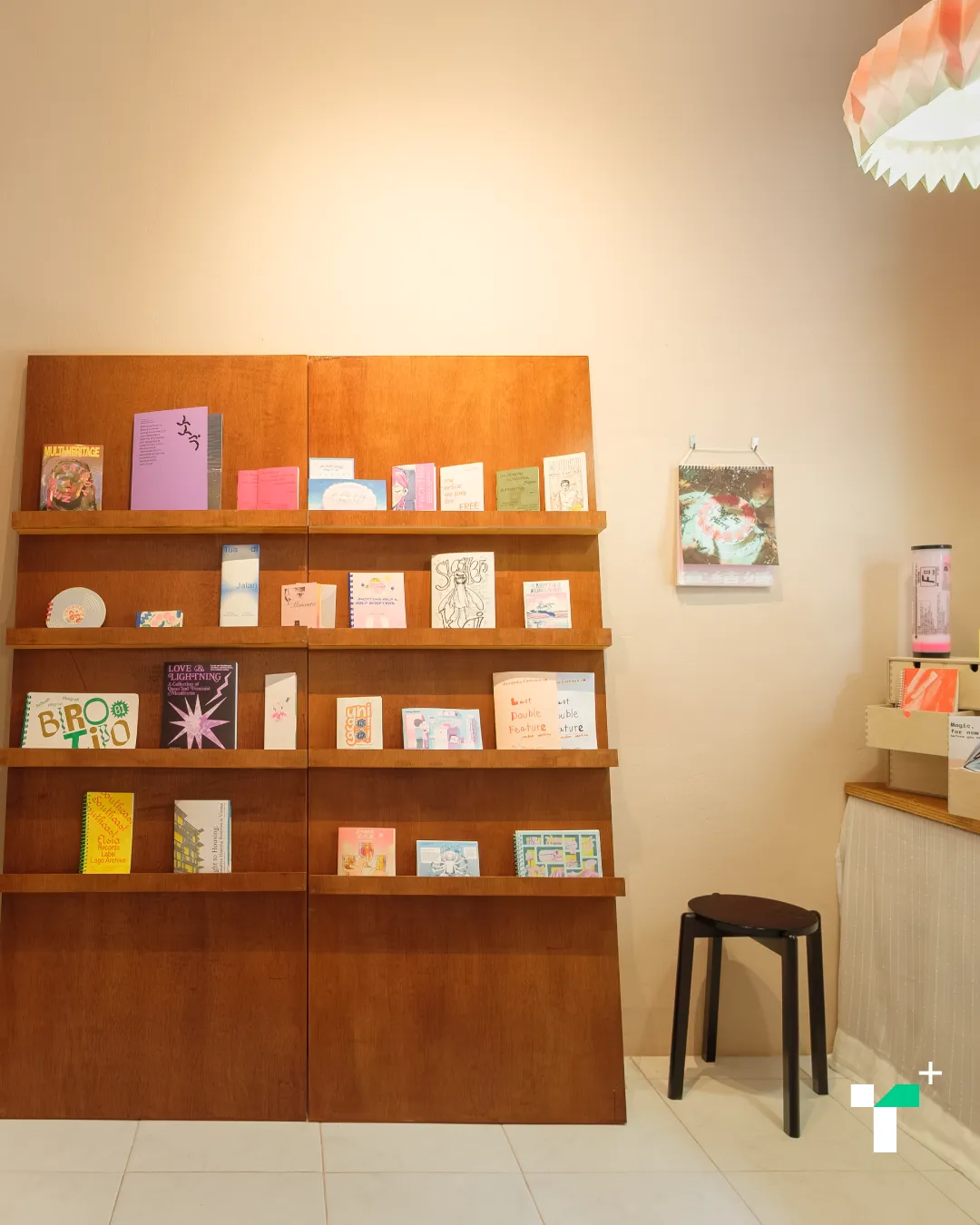
The ground floor is designated as a 'Zine Shop,' showcasing and selling handmade print media by independent artists, especially queer artists and those from East and Southeast Asia—groups they are keen to support and provide exhibition space for.
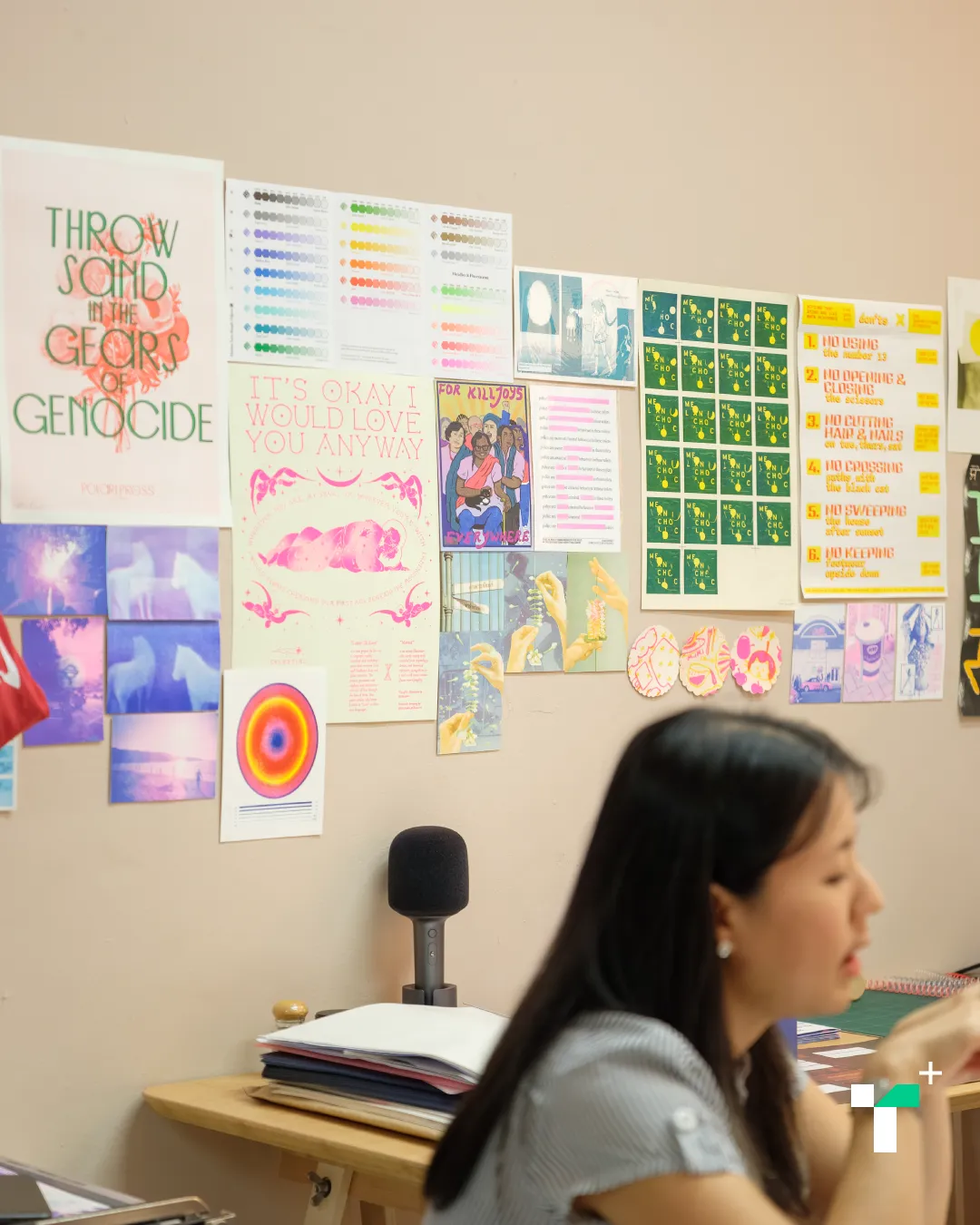
Meanwhile, the alternative Risograph printer plays a key role in producing works. Originally developed post-war for affordable mass printing, it has gained renewed interest for its unique charm that modern digital printers lack.
Rada explained, “Risograph’s charm lies in its single-color printing process, allowing us to see color mixing steps and the transparency of each color. When layered, overlapping marks appear, and each printed sheet may vary slightly with misalignments or ink gaps, all of which make each piece unique.”
Pin added, “The ink is soy-oil based, making it eco-friendlier and leaving fewer residues than typical digital printing. We see it as a promising future print method and want people to understand and access it more.”
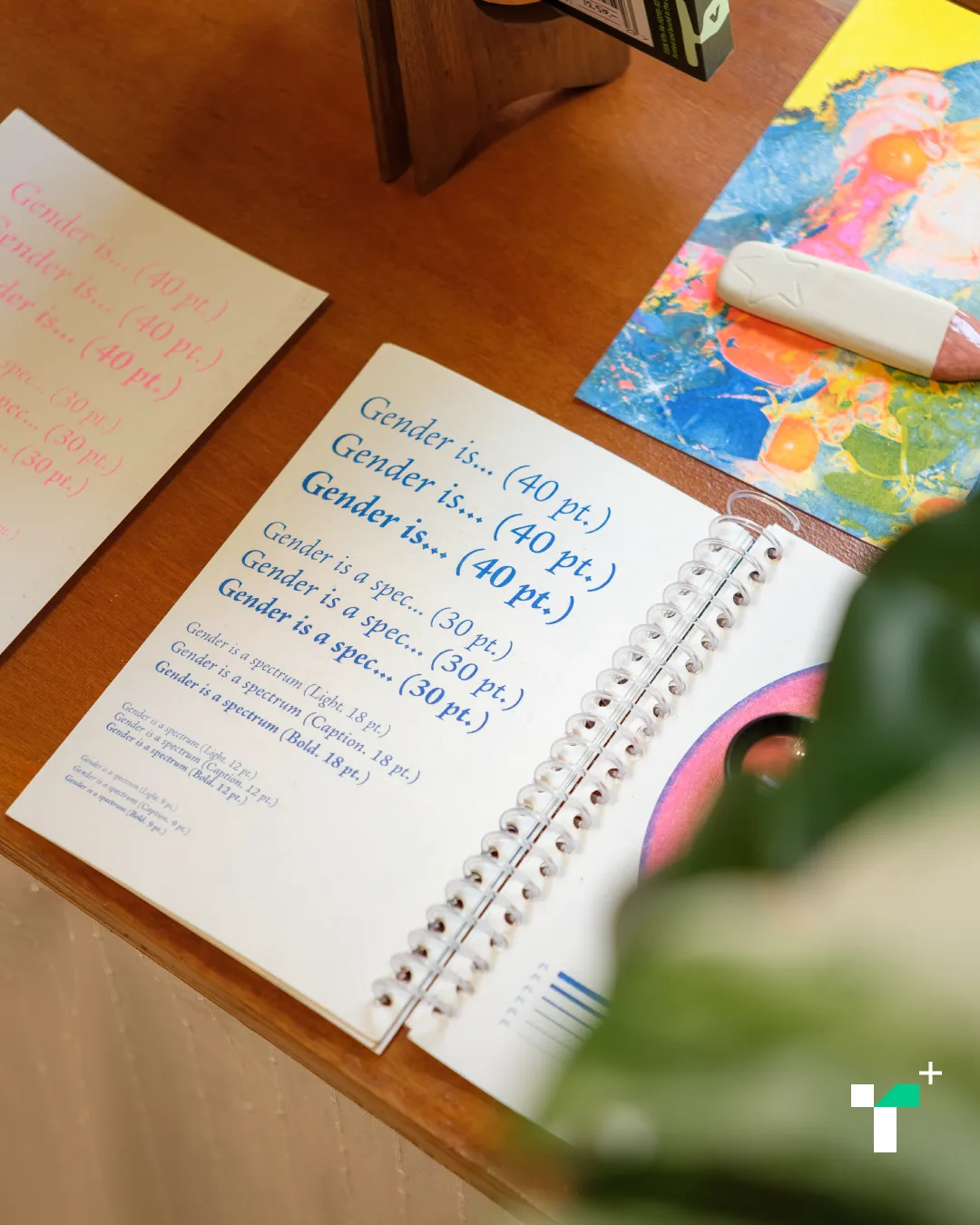
The fun of manually separating color layers and the anticipation of printing results has led the shop to prepare a 'Riso 101' workshop for those interested to learn and try printing their own works.
Ideology in the business arena
In the fast-paced, intangible digital era, Pin offers an interesting view that print media still holds power to 'connect' people. While digital media can create distance in communication, books compel us to pause, sit down, and physically handle each page, fostering closer intimacy—especially handmade print media like zines, which carry a strong rebellious spirit.
Pin said, “Zines are inherently rebellious because they don’t have to follow big publishers’ rules or conventional print norms. Creators can express any topic, often politically charged, without the strict monitoring typical of academic writing.”
Overall, Se—ri is a highly authentic space unlike many others in Thailand. This raises a key question about operating a niche independent bookstore business in Thailand, especially without significant institutional support—can it truly survive?
The three founders honestly admit that initially they questioned their survival, but they also see their niche focus as a major strength that gives them confidence to open Se—ri Studio.
Pin said, “We are determined and believe there is a customer base because we think no one else in Bangkok is doing this.”
Of course, sustaining this safe space requires income to cover utilities and rent. The real challenge for Se—ri Studio is not just attracting customers but maintaining balance.
Pin said, “We are learning how to balance ideological work with commercial tasks. For example, collaborating with activist groups involves one approach, while selling books or prints requires standard business rates to keep the shop viable.”
When asked about their stance on driving social change through printed pages, Pin shared a closing perspective summarizing Se—ri Studio’s core mission.
Pin said, “We might not be activists appearing on Hyde Park Corner or deeply academic political scientists, but what we can do is publish print media, a vital medium to communicate social and human rights issues in its own way. It can be a refuge for those fighting for these causes and a tangible community connector. Thus, art and zines uniquely bind people together.”
Ultimately, 'Se—ri' is not just a shop name but a declaration by its three founders to make this place a 'Free Space' for anyone who wants to experiment, create, or simply find solace.