

“Am I the only one who isn’t into the festival?”,
“Am I the only one who listens to Shugaze?”,
“Am I the only one who watches arthouse films?”,
“Am I the only one who ….”,
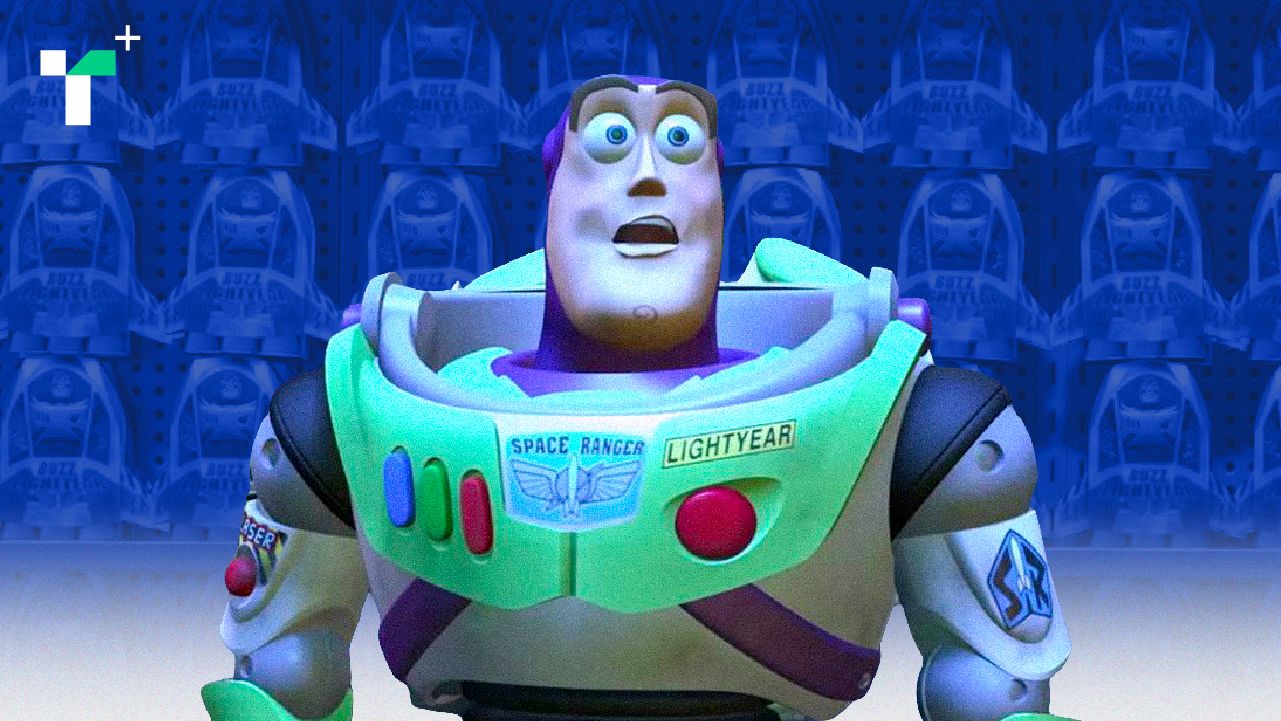
Recently, the ‘Buzz Lightyear’ meme from the animated film Toy Story resurfaced as a trend. Many people used it to tease the behavior of wanting to be ‘special,’ where someone might mistakenly believe their tastes or preferences are unusual or different from the norm, similar to seeing themselves as the main character in a movie. This meme reflects the character Buzz Lightyear, who is portrayed as a main figure, yet the same type of toy actually exists in large numbers on store shelves.
Often, questions like ‘Am I the only one who…’ seen in society or felt personally, aren’t really seeking to find if others are alike but rather seeking validation from others that ‘Yes, I am talented, cool, and unique.’
In fact, the desire for praise and acceptance is a natural human need that helps us feel good and valued. However, during times when our feelings are shaken or when we have ‘low self-esteem,’ this basic need can turn into a craving, leading us to try to be ‘special’ to fill an internal emptiness.
Behind this feeling aligns with a psychological mechanism called the ‘False Uniqueness Effect,’ a distortion in self-perception that causes us to overestimate our own ‘difference’ beyond reality and overlook that many others around us may share similar experiences or preferences.
Thinking oneself as ‘special’ or unique is neither abnormal nor shameful because it is a common psychological mechanism. But if we cling too strongly to it over time, it can create feelings of alienation and confusion, forming a barrier that makes it harder to connect with or understand others.
How do we unknowingly develop the ‘False Uniqueness Effect’?
This phenomenon is a psychological trap, explainable through human nature, where we tend to focus on our own thoughts, feelings, and behaviors, sometimes centering ourselves (Egocentrism).
When comparing ourselves with others, the brain shortcuts by using the ‘first information that comes to mind’ (Availability Heuristic) to judge. Naturally, our own stories and habits are what our brain remembers most vividly, while we aren’t as familiar with others’ experiences. This familiarity misleads us to overestimate our own prominence.
At the same time, humans engage in social comparison by evaluating ourselves through others. To feel better, sometimes we unconsciously ‘downplay’ others’ value, assuming fewer people share our level of ability than actually do, making us feel rare and outstanding in society.
Moreover, deep down everyone has an internal drive to enhance self-worth and maintain a good self-image (Self-Enhancement). The brain tends to ‘filter out’ information that conflicts with this belief, resulting in a self-serving bias. For example, when we succeed, we credit our own skill or effort, but when we fail, we blame external factors like bad luck or others.
If these self-protective and self-favoring mechanisms are too strong, they reinforce our belief that we are exceptionally unique, which is what is called the ‘False Uniqueness Effect.’
Negative consequences of the ‘False Uniqueness Effect’
At first glance, the phenomenon of ‘Am I the only one who…’ might seem like a simple attention-seeking behavior. Psychologically, however, it raises concerns, especially regarding relationships. Feeling ‘special’ or believing oneself unique can build walls, making us feel no one truly understands us deeply.
This bias also affects decision-making and teamwork. People trapped in this mindset often struggle in teams because they believe no one else has as deep insights as they do. Excessive confidence can turn into arrogance, disregarding others’ opinions, impairing connection, and ultimately causing resentment.
Meanwhile, when we invest effort hoping others will applaud our ‘difference,’ but instead receive indifference, self-doubt begins to arise. In some cases, discovering that others share similar traits or tastes can suddenly undermine our confidence.
How to cope with and overcome the ‘False Uniqueness Effect’
Because this bias is a psychological trap that holds back our feelings, we must start correcting it today. The key is practicing self-reflection, developing empathy, questioning old beliefs, and exposing ourselves to diverse communities.
First, develop empathy. Instead of assuming we are unique, try to ‘put yourself in others’ shoes.’ Open listening helps us realize we share many connections and similar stories with others more than we thought.
Next, regularly reflect on yourself with mindfulness to recognize what ‘triggers’ this bias. Don’t hesitate to seek honest feedback or perspectives from those around you if needed.
Also, question your assumptions whenever you start thinking you are outstanding or have superior tastes. Pause and challenge those beliefs by checking data, statistics, facts, or having honest conversations with others. These help bring us back to reality and break down this bias.
Additionally, immersing yourself in diverse social groups and meeting people from various backgrounds broadens your worldview, revealing human differences and, at the same time, common ‘shared points’ we have with fellow humans.
Ultimately, we may need to accept the reality that humans are not that special. In a world of billions, it’s natural to have both similarities and differences. We don’t need to pretend to be someone else just to chase ‘specialness.’ Instead, having the courage to like what we like without fearing social judgment builds true, lasting self-worth and fulfillment far more than forcing ourselves to be ‘special’ for fleeting acceptance.
References: