

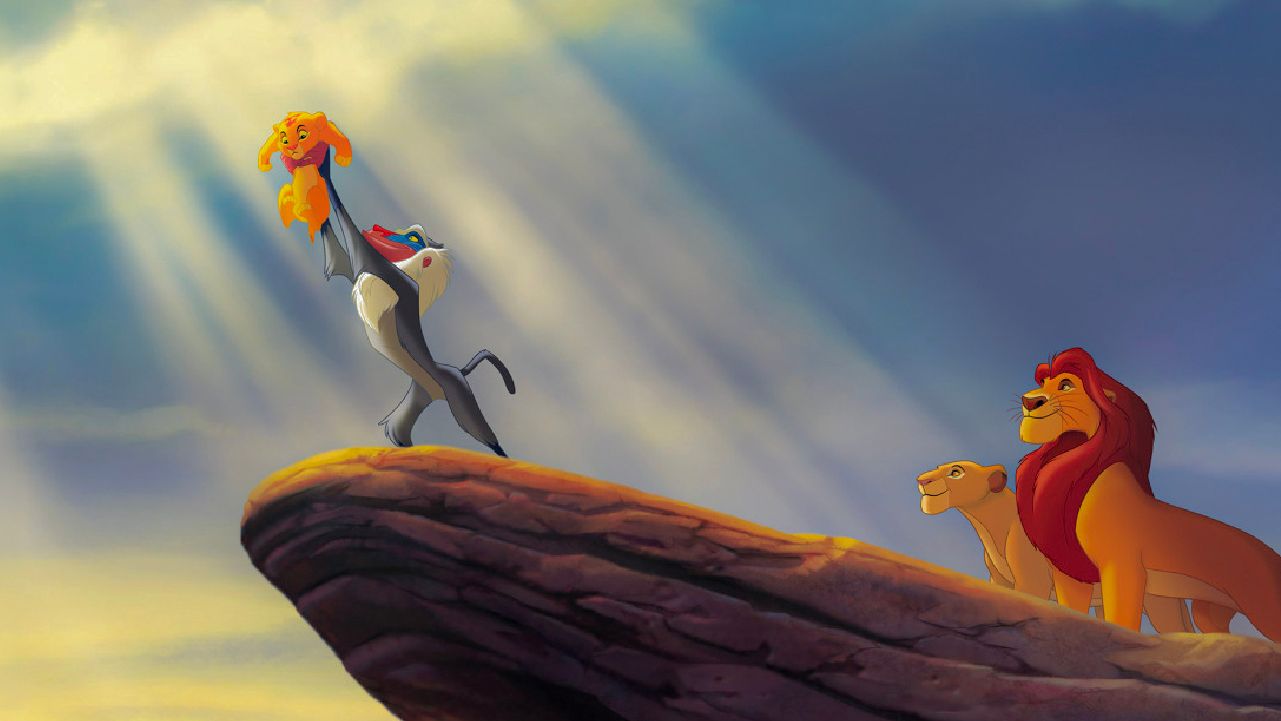
When mentioning 'lion,' the image that comes to mind is often the king of the jungle, with a thick mane, fierce eyes, and a hunting rhythm full of raw power. It is an animal that humans have long regarded as a symbol of authority, respect, and dominance at the top of the food chain.
But in the world of popular culture, lions appear not only in the savannah but also travel through film, pages, and TV screens as an 'icon of the era,' carrying meanings far beyond their familiar image.
They transform from roaring kings of the wild into characters whose roar echoes within the human heart.
Lions in pop culture thus become a symbolic language telling stories of fear, hope, faith, power, and the vulnerability humans try to hide beneath their majestic manes.
We decode the 'heart of the king of beasts' to see the humanity concealed within the roar of each era.
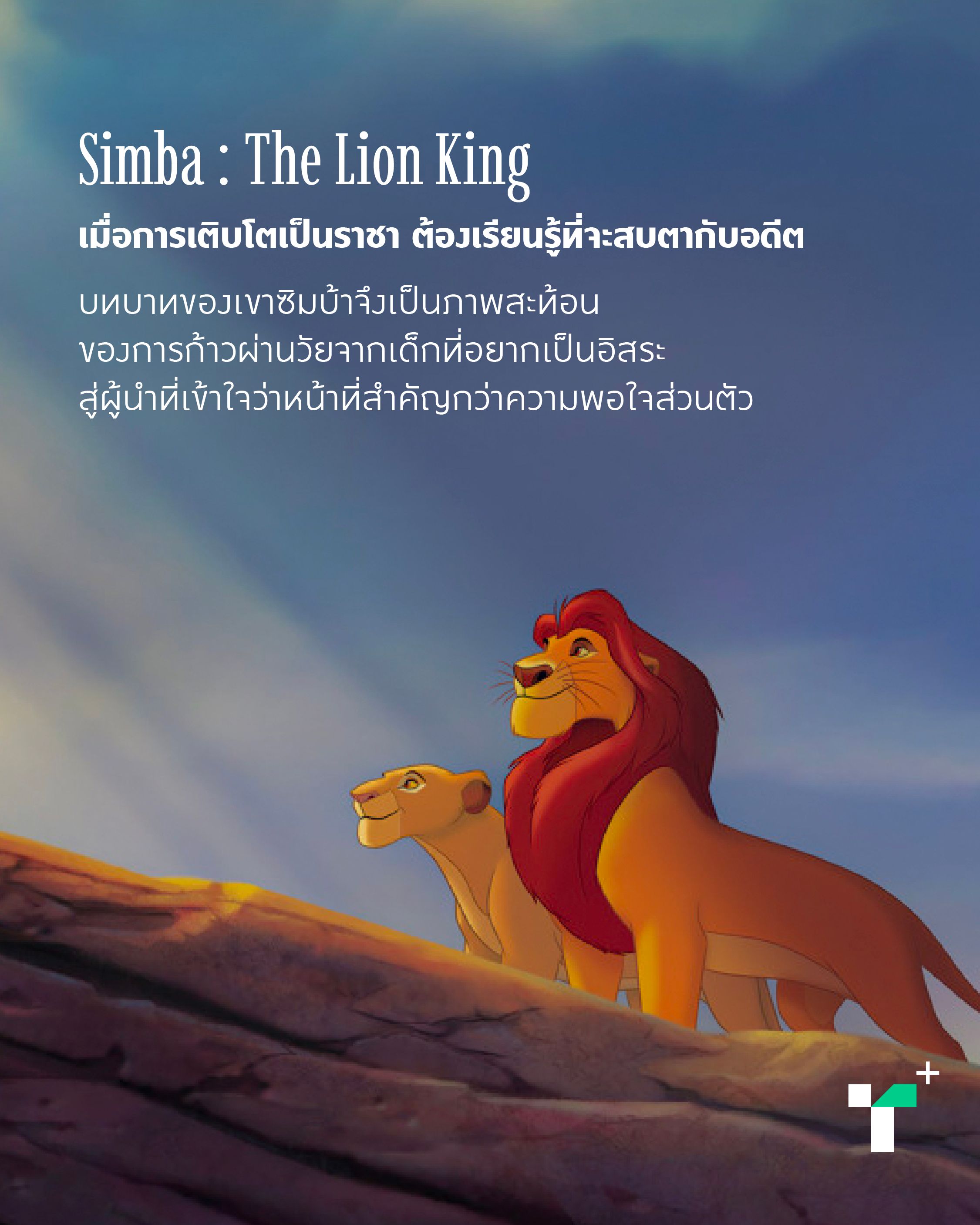
Simba begins life as an innocent heir, a world full of fun and promises of greatness. But after the tragedy of losing his father, he flees, choosing to forget and live carefreely to hide guilt and pain behind him.
Simba’s personality is not that of a brave lion from the start but represents a human who has failed, fled, and feared facing the truth. His core conflict is the guilt eating away inside. His journey is about returning to face the past without avoidance and accepting that pain is part of growth.
His role reflects the passage from a child seeking freedom to a leader understanding that duty outweighs personal pleasure. Simba’s kingship is not about bloodline but about accepting truth and choosing responsibility.
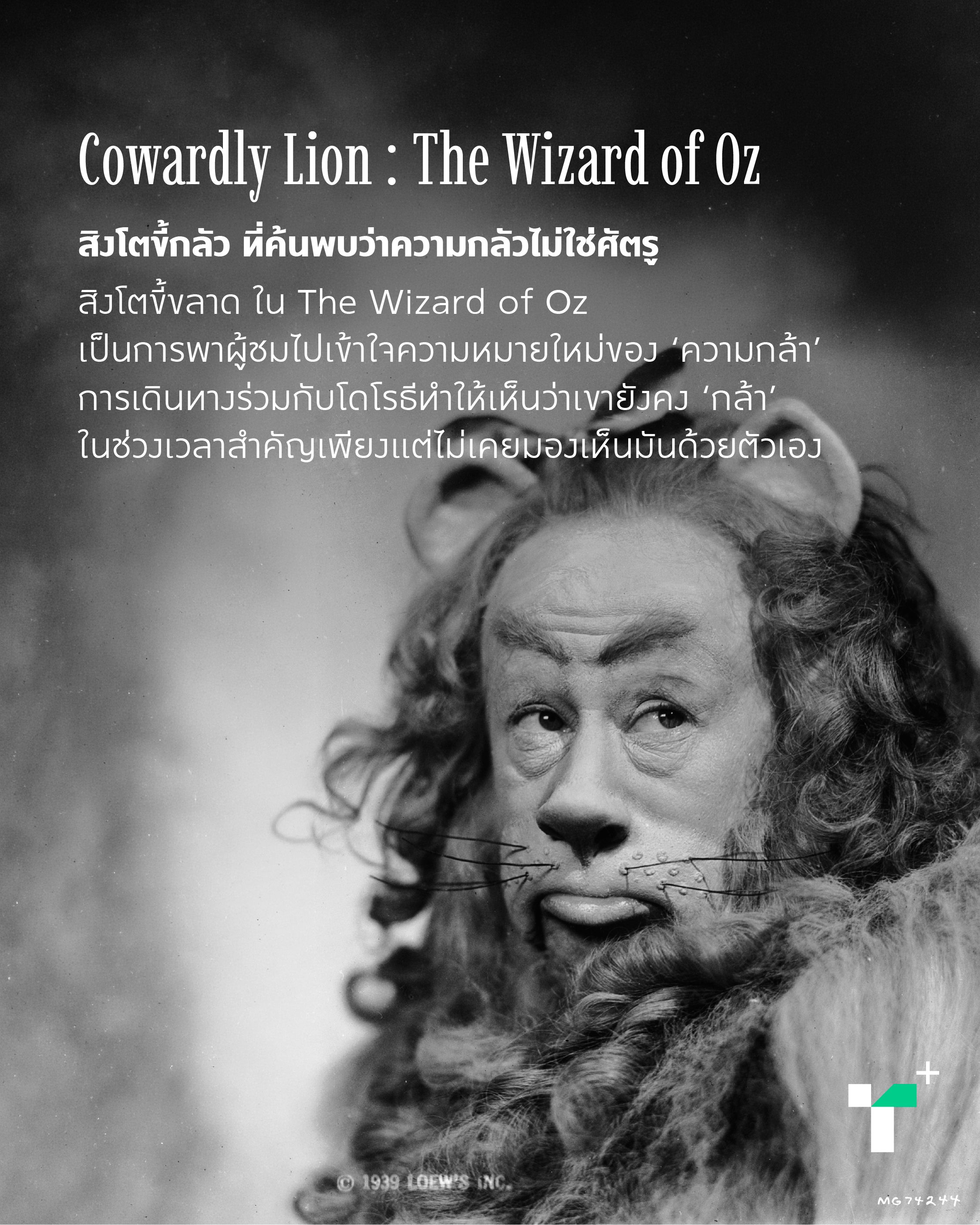
The Cowardly Lion is the most beautiful contradiction of the 'king of beasts' image. He declares himself cowardly, trembling at every loud noise, believing he is worthless for lacking courage.
He is fragile, insecure, and emotionally sensitive. His inner conflict stems from comparing himself to the great lion image society expects. He thinks courage means not feeling fear, though that is not true.
The Cowardly Lion’s role in The Wizard of Oz leads audiences to a new understanding of 'courage.' His journey with Dorothy shows he is always brave at crucial moments—he just never recognized it himself. This lion reflects humanity, kind to others but harsh on oneself, reminding us that courage is moving forward even when the heart trembles.
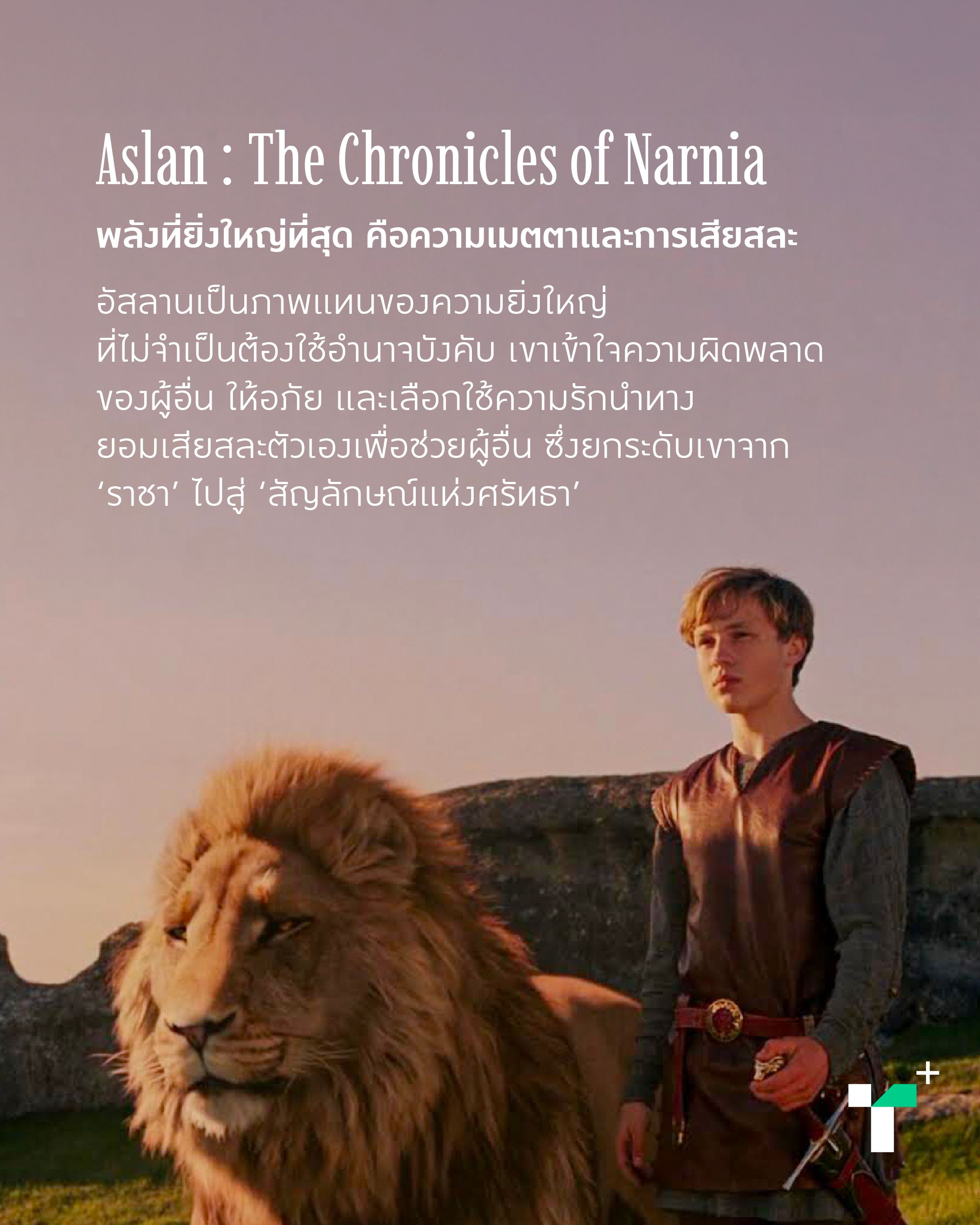
Aslan is not a hunting lion but a creator and protector. He is calm, dignified, and every action upholds high morality.
Aslan represents greatness that does not require force. He understands others’ faults, forgives, and chooses love as his guide. His key trait is self-sacrifice to save others, elevating him from 'king' to a 'symbol of faith.'
Aslan’s role is the ethical center of his world, a beacon of hope in darkness, reflecting the idea that true power is not conquest but protection.
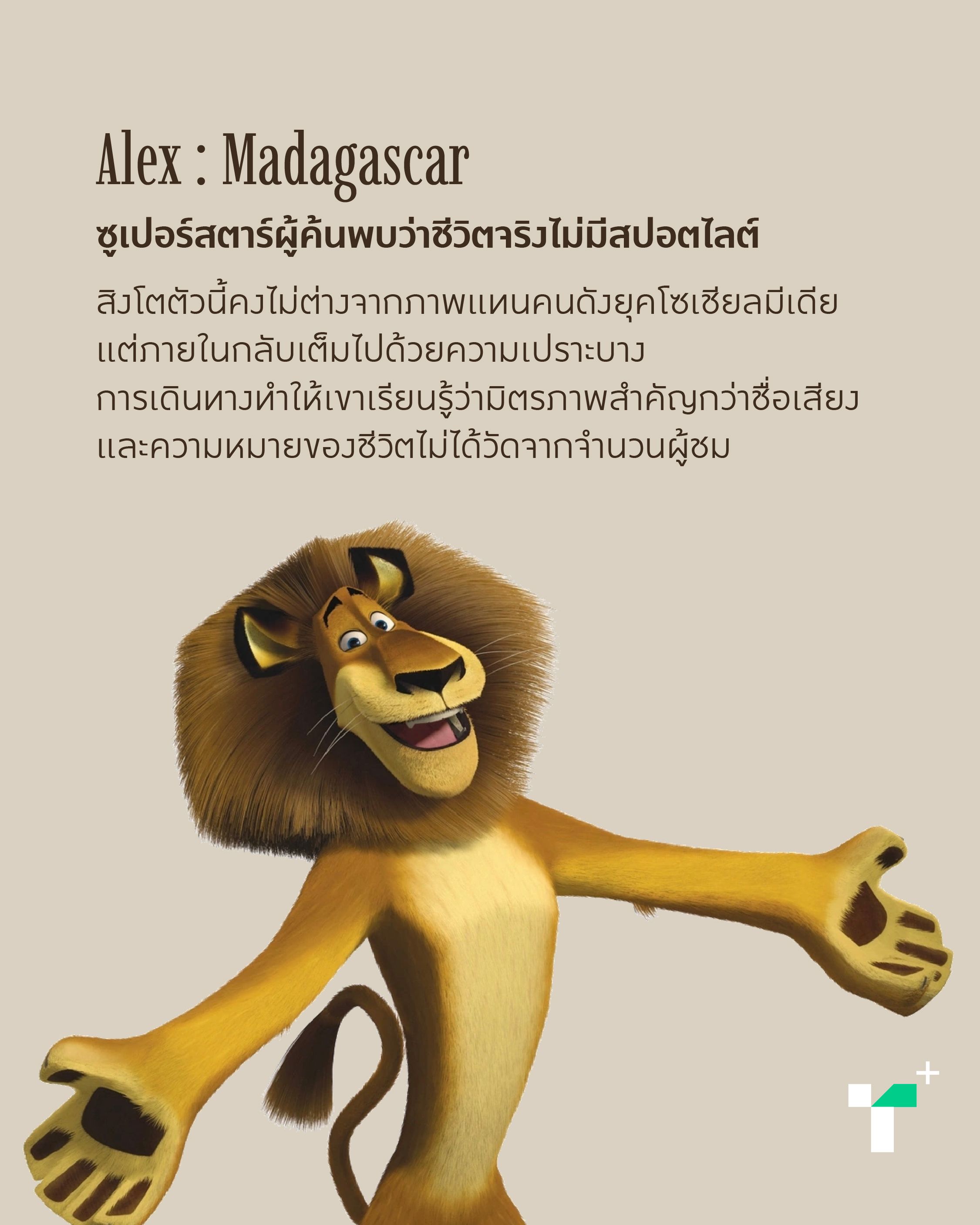
Alex is a city lion raised amid applause in a New York zoo. He loves fame, craves attention, and measures his worth by the audience's gaze.
He is confident yet selfish. His conflict lies in clinging to an image, losing sight of his true self. When forced out of his comfort zone, he faces nature, fear, and his primal instincts.
His story mirrors modern social media celebrities surrounded by lights and millions of engagements but internally fragile. His journey teaches that friendship is more important than fame, and life's meaning isn’t measured by audience size.
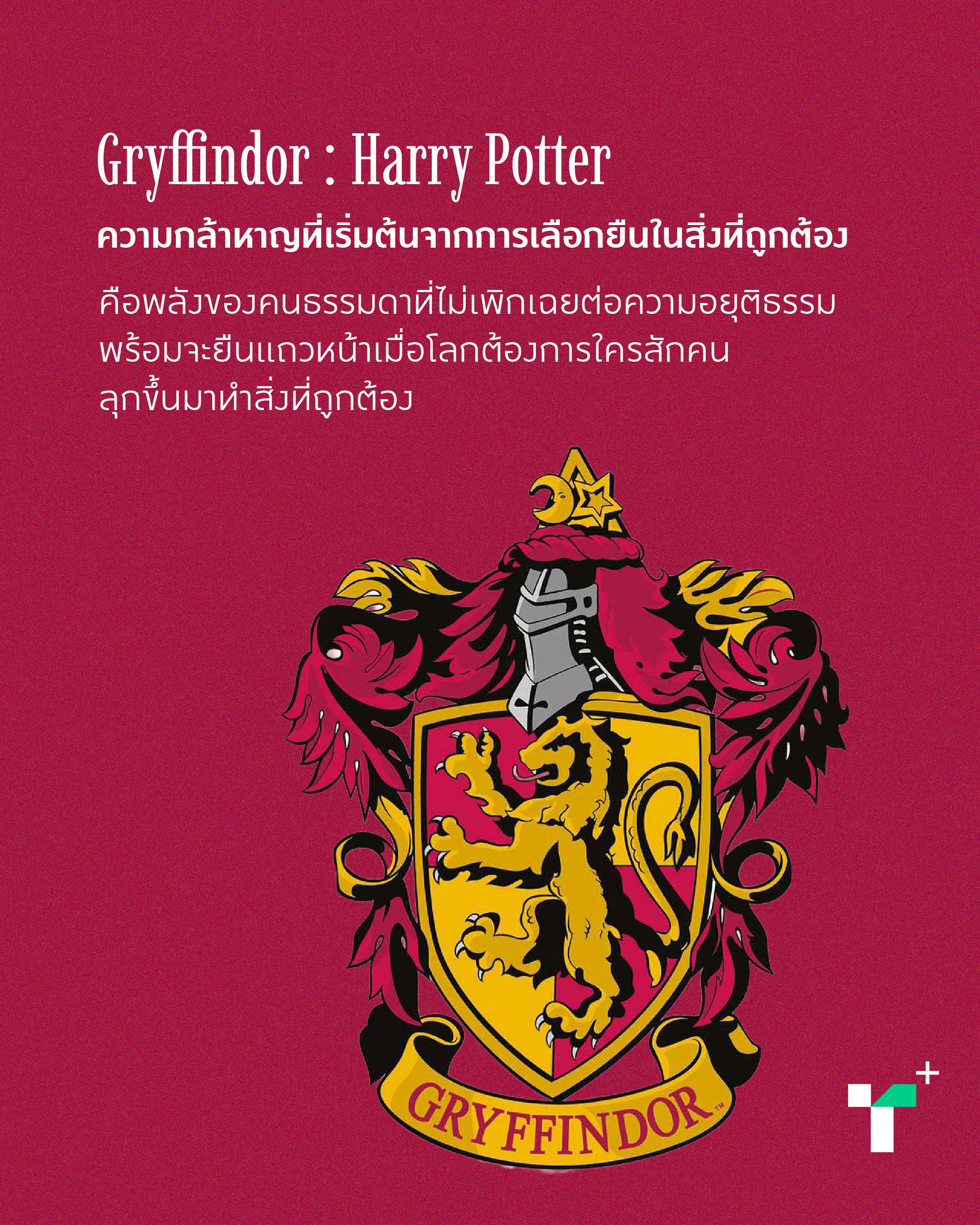
The lion emblem of Gryffindor doesn’t signify physical strength but moral values. This house honors bravery, honor, and protecting the weak. Gryffindor selects students not by skill or blood purity but by their willingness to stand for justice when pressured.
The lion symbol represents a 'fighter’s heart,' facing danger despite fear, as seen in characters like Neville Longbottom.
In Harry Potter’s world, lions roar not to assert power but to affirm their stance. It is the power of ordinary people who refuse to ignore injustice, ready to stand up when the world needs someone to do what is right.
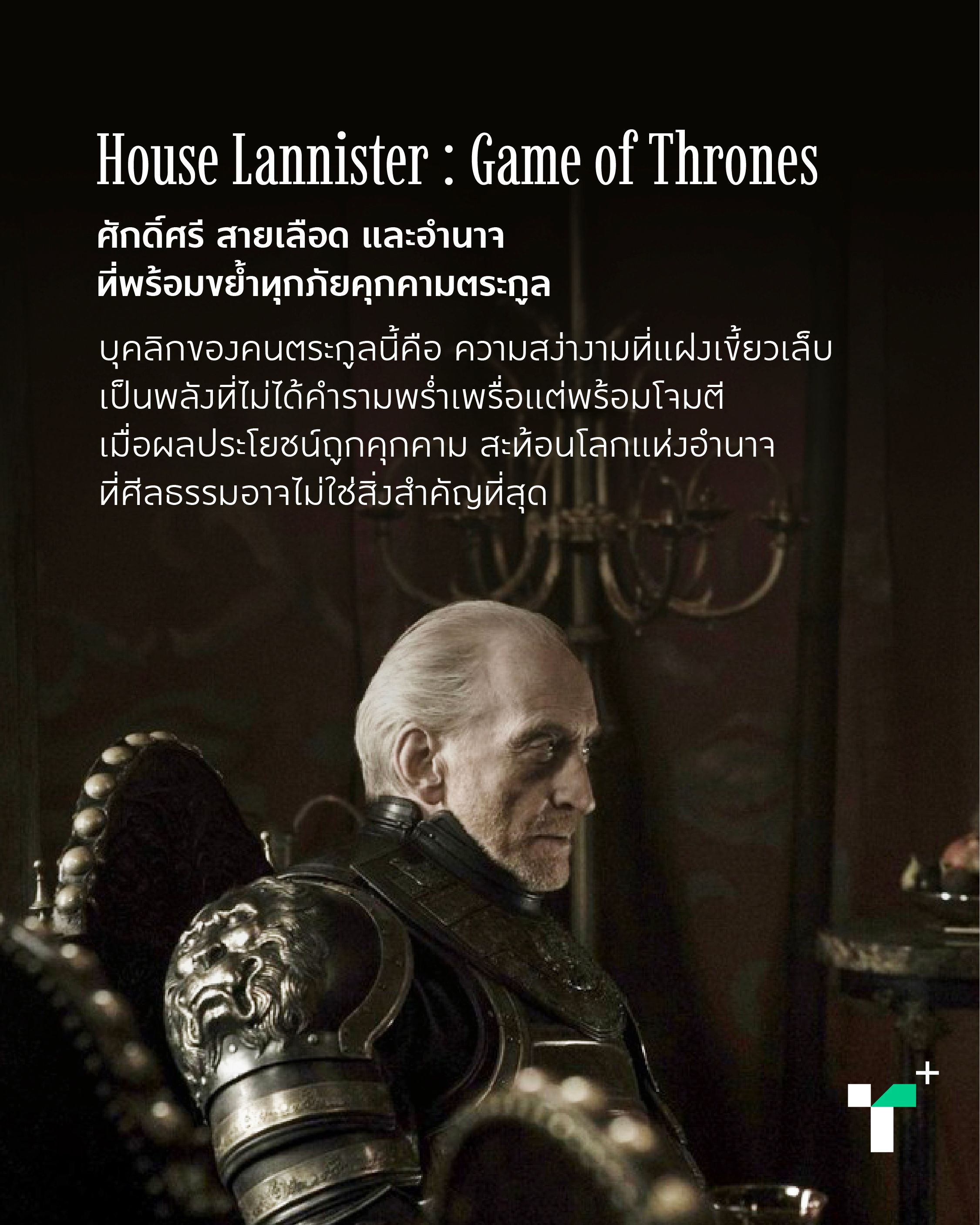
The golden lion of House Lannister symbolizes elite power, wealth, and cold politics. The family’s personality is elegance hiding sharp claws—a force that doesn’t roar unnecessarily but strikes when interests are threatened. It reflects a world where morality may not be paramount and serves as a symbol of ruling classes across eras: born with superior resources, networks, and a name that opens doors before ability speaks.
In today’s world, House Lannister is like a wealthy family controlling business, politics, and media; akin to a large corporation with a luxurious, credible image but internally full of power calculations, strategic moves, and willingness to use any means regardless of ideals.
From these characters, we see that the lion’s roar in popular culture is more than a predator’s territorial call—it echoes the human heart in every era. We witness growth and acceptance of the past in The Lion King, vulnerability redefining courage in The Wizard of Oz, and the power of mercy and faith in The Chronicles of Narnia as examples.
The lion’s story is an emotional language humans use to tell their own stories. Beneath the flowing mane, we see fears denied, hopes undimmed, faith sustaining in harsh worlds, and power that can both create and destroy. It is a large mirror reflecting that deep inside every person lies their own unique roar.
Beyond these examples, there is another lion worth knowing—presented as architectural decoration. One well-known example is the lions at the Narasiri Borommaratchachonnani project, expressing grandeur, magnificence, and commanding attention as Sentinels Leonis—guardians of elegance and honor, reflecting the perfect image of residence.
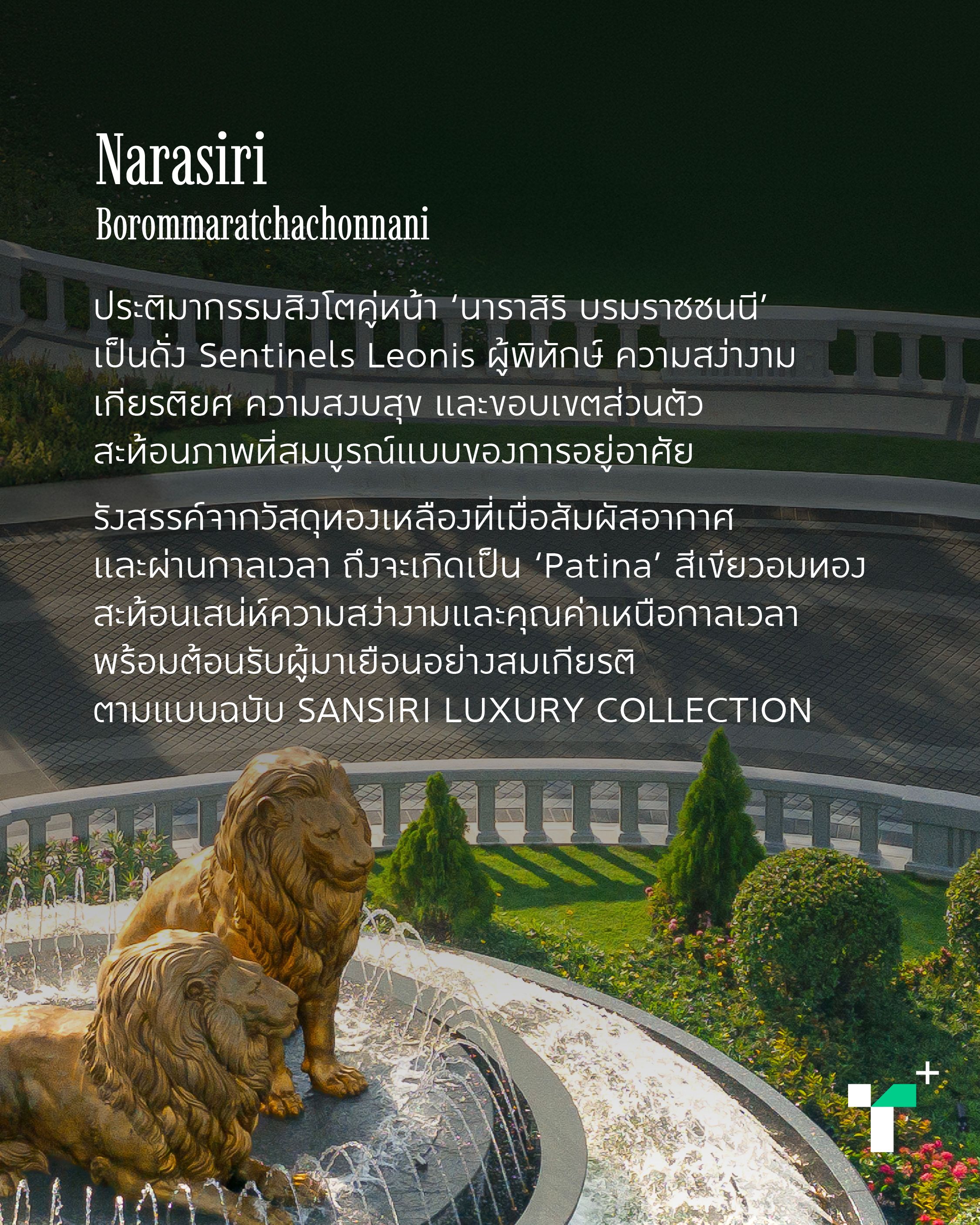
The large pair of lion sculptures stands at the front of the 'Narasiri Borommaratchachonnani' project, a symbol of guardians crafted from brass that naturally develops a greenish-gold patina over time, reflecting timeless elegance and value.
Sansiri interprets the 'pair of lions' to fit the context and meaning of creating living spaces, placing them at the entrance to communicate greatness, protect residents' peace and privacy, and welcome visitors with dignity.
'Narasiri Borommaratchachonnani' project is thus a reflection of aesthetics, elegance, success, and the identity of its owners, as well as conveying the uniqueness of 'SANSIRI LUXURY COLLECTION: THE FOREFRONT OF LUXURY' which embodies meaningful and perfectly livable luxury.
Discover the elegance and spirit hidden in the 'king of beasts' and the concept #BehindTheDesign of the lion in Sansiri’s project context athttps://www.facebook.com/sansirifamily/videos/1601790097673135/
Experience the meaning of “Lion” interpreted architecturally through a luxury project at Narasiri Borommaratchachonnani by clickinghttps://siri.ly/0U0YEI4and through all Sansiri platforms
Facebook: @SansiriPLC
Instagram: @SansiriPLC
Tiktok: @SansiriPLC
Youtube: @SansiriPLC
Because design does not begin with shape, but with meaning.