

"5 Habits of Successful People"
"Why You Haven't Reached Your Goals Yet"
"How to Make Every Minute Count"
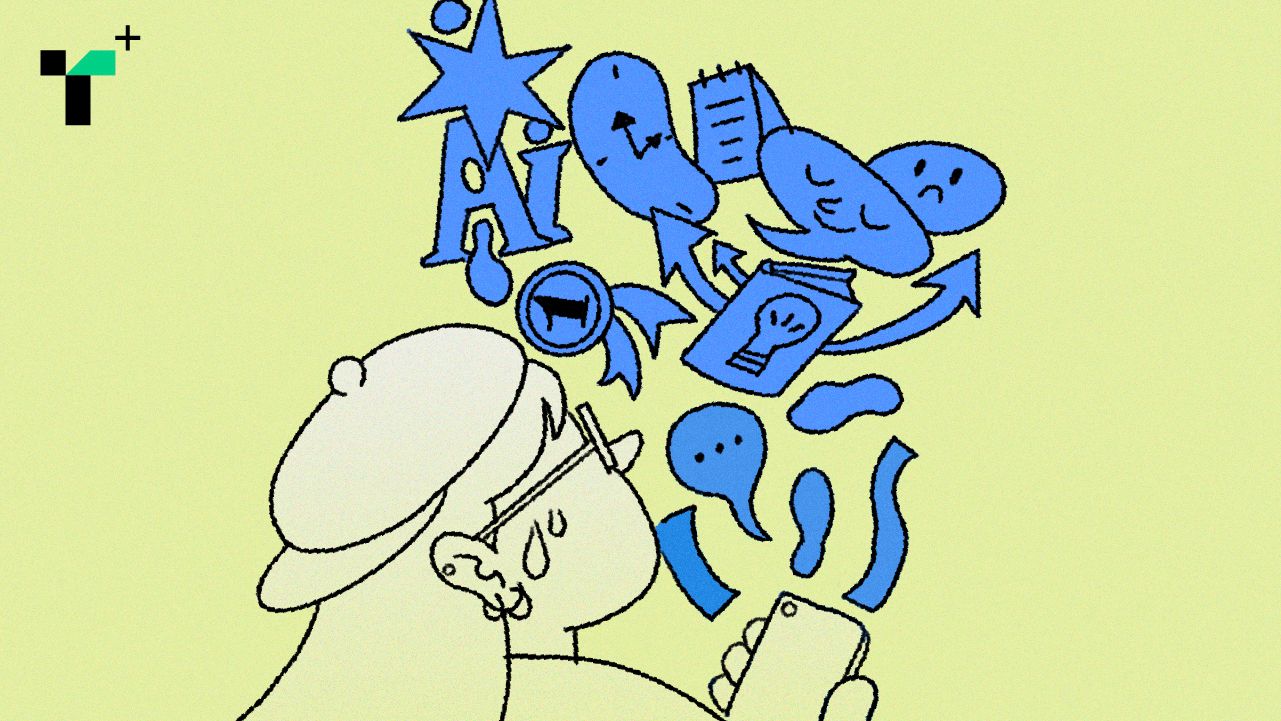
Today, no matter which social media feed we scroll through, we are unavoidably surrounded by self-development content. The principles of success and self-improvement flood daily life, leaving almost no room for vulnerability, failure, or mistakes.
But the crucial question is, if those fixed formulas could truly transform lives as they claim, the world would be full of successful and happy people following the 'millionaire habits' checklist. In reality, often when reading this content, what we receive is not inspiration as expected, but self-questioning about our flaws—are we really that lazy or not trying hard enough?
Often, the reason is that to generate views or sell books, creators must persuade consumers that "you are still not good enough." The self-improvement industry works effectively only by making us focus on our imperfections and crave a quick fix through their content. If we didn't feel something was missing in life, we wouldn't seek out this content in the first place.
Originally, these disciplines aimed to help humans understand, accept themselves, and live quality lives. However, today, they have become 'manuals' attempting to turn humans into machines that must operate at peak efficiency constantly (Self-Optimization).
We develop a habit of measuring everything in life by numbers or success checklists. The value of life becomes tied to being 'productive,' so many feel guilty whenever they rest. Even hobbies once meant for relaxation become 'pointless' unless they add value or new skills. Often, hobbies must create some social media impact, making us forget the basic truth that humans need rest—we have minds and souls, not just cogs running nonstop 24/7.
Moreover, this industry creates the 'illusion of a finish line' to lure us. They sell the belief that following steps will perfect life, but once we reach one goal, the content points to a bigger, more challenging target. This creates a constant feeling of 'falling behind' others. Chasing these illusions to outdo ourselves and others leads to endless exhaustion, ultimately causing burnout and emotional emptiness.
Additionally, relying on this content often offers an 'illusion of change' because some self-help books or content promote shortcuts or force unnatural constant positive thinking (Toxic Positivity), which fail to address root problems.
What actually happens is a short-lived sense of success and motivation that fades within days or weeks. When negative feelings return, we cycle back to new content to soothe the deficiencies created by the previous one, resulting in an endless loop.
How to break free from the negative feelings caused by self-development content
Negative feelings from self-improvement can be remedied without completely abandoning it because the desire to grow is natural. What needs changing is not stopping growth, but adjusting our mindset and how we view ourselves.
1. Stop treating yourself like a machine that must constantly upgrade. True self-development is a lifelong process of learning to 'understand' and 'accept' oneself. When we understand our patterns and accept flaws, we stop pressuring ourselves and have energy left for truly meaningful things.
2. Pay attention to 'others' besides yourself. How-to content often makes consumers obsess over personal success like money, status, and power. But humans are social beings needing connection. Good self-development reduces self-obsession and increases care for those around us.
3. Filter the 'narratives.' The self-development field contains both good and poor work. We don't need to dismiss it all but must choose wisely. Toxic content creates negative stories that make us feel flawed and inadequate, leading to shame or self-blame when we fail to follow formulas.
Ultimately, true self-development may not be about chasing goals until exhaustion or constantly pushing oneself. It involves learning through stories that help us understand ourselves and others better—stories that foster empathy and a realistic view of the world as it should be.
Though we may be imperfect in some ways, accepting this allows us to pass on positive energy, grow at the right pace, build good relationships, and embrace what truly matters to our minds long-term.
References: