

When we see a logo featuring a 'lion' directly before us, we hardly need any further explanation. This animal image immediately conveys certain meanings to us. Feelings of power, authority, confidence, and leadership arise automatically, even though it is actually just a single image.
This is the power of 'semiotics,' or in familiar terms, “an image that communicates meaning in place of words.”
The marketing world understands this mechanism well. Many brands do not communicate through lengthy text but instead choose symbols that people can instantly interpret. The lion is one of the most powerful symbols because, in shared human perception, the lion is not just a wild animal but the king, embodying awe and standing at the top without having to fight for it.
But more interesting than using a lion image in a logo is that some brands 'have a lion-like personality' even without using the animal's image, yet they still evoke the feeling of facing a real lion.
The idea of viewing brands through animal metaphors is another way to see that a brand is not just a product, service, or logo but has an 'identity' perceived like a human personality. This comparison helps clarify the brand's image because each animal carries emotional meanings that humans commonly understand, and the 'lion' is one of the most powerful brand representations.
To decode clearly, Brand Personality is a set of emotional traits and images that consumers automatically associate with a brand, much like when we say someone appears warm, trustworthy, ambitious, or composed, brands can be perceived similarly.
However, this personality does not arise from actual habits but from designing the entire experience—from product and price to communication, tone, imagery, and how the brand positions itself in the market.
Academic work on brand personality by Jennifer Aaker explains that consumers perceive brands through various personality dimensions such as sincerity, excitement, competence, sophistication, and ruggedness.
This means brands can genuinely have a 'personality' in people's eyes, which significantly influences purchasing decisions. This concept has become a fundamental foundation of modern branding by shifting competition from function to emotion.
Applying this framework to the lion image immediately reveals a clear personality. A lion-type brand is visible and stands on its own, arising from intrinsic attraction. This personality reflects leadership, confidence in value, powerful composure, and naturally commanding presence.
Behaviorally, lion-personality brands often lead trends or create new ones, setting the market's rhythm. Their communication is weighty and clear, understood instantly without much explanation. Products and services are designed to consistently reflect high standards. Though priced high, consumers willingly pay because the brand's value justifies it.
Emotionally, lion brands provide experiences that make consumers feel confident in their choice, feel they made the right decision, and feel elevated socially. This symbolic power surpasses product features even if no lion symbol is present.
Examples of lion-personality brands include Apple, which embodies these qualities fully. Apple does not just sell electronics but offers experience, design, mindset, and social status. Every product launch automatically draws the entire market's attention—this is the behavior of a 'king of the jungle' who does not race but commands all eyes.
Another clear example is Mercedes-Benz, symbolizing power and prestige in the automotive world. The brand does not compete on price or flashy features but stands on luxury, advanced engineering, and a long heritage. Owning this car symbolizes success.
Rolex is similar; watches do more than tell time—they are social language indicating status, success, and taste. The brand hardly needs to explain quality because its reputation speaks for itself.
BMW has the personality of a confident leader with a clear stance on “driving enjoyment.” The brand does not try to be everything for everyone but firmly owns its own niche.
Louis Vuitton is the lion in luxury fashion. The brand does not follow trends but creates them. Its logo alone has the power to elevate product value and user image completely.
Beyond personality, as mentioned earlier, one of the clearest lion images is the lion used as a symbol, openly declaring that the brand is a leader with power and greatness. Examples include:
Metro Goldwyn Mayer, the longstanding Hollywood studio, has had 'Leo the Lion' as its symbol since 1916. The roaring lion evokes power, grandeur, and world-class entertainment before the movie starts.

Image credit: fandom
Peugeot is a French luxury car brand with a history of over 200 years. The French carmaker has used the lion in its logo since the 19th century, originally symbolizing the strength, flexibility, and speed of steel saw blades the company produced before making cars. This symbol has reflected product qualities from the start.
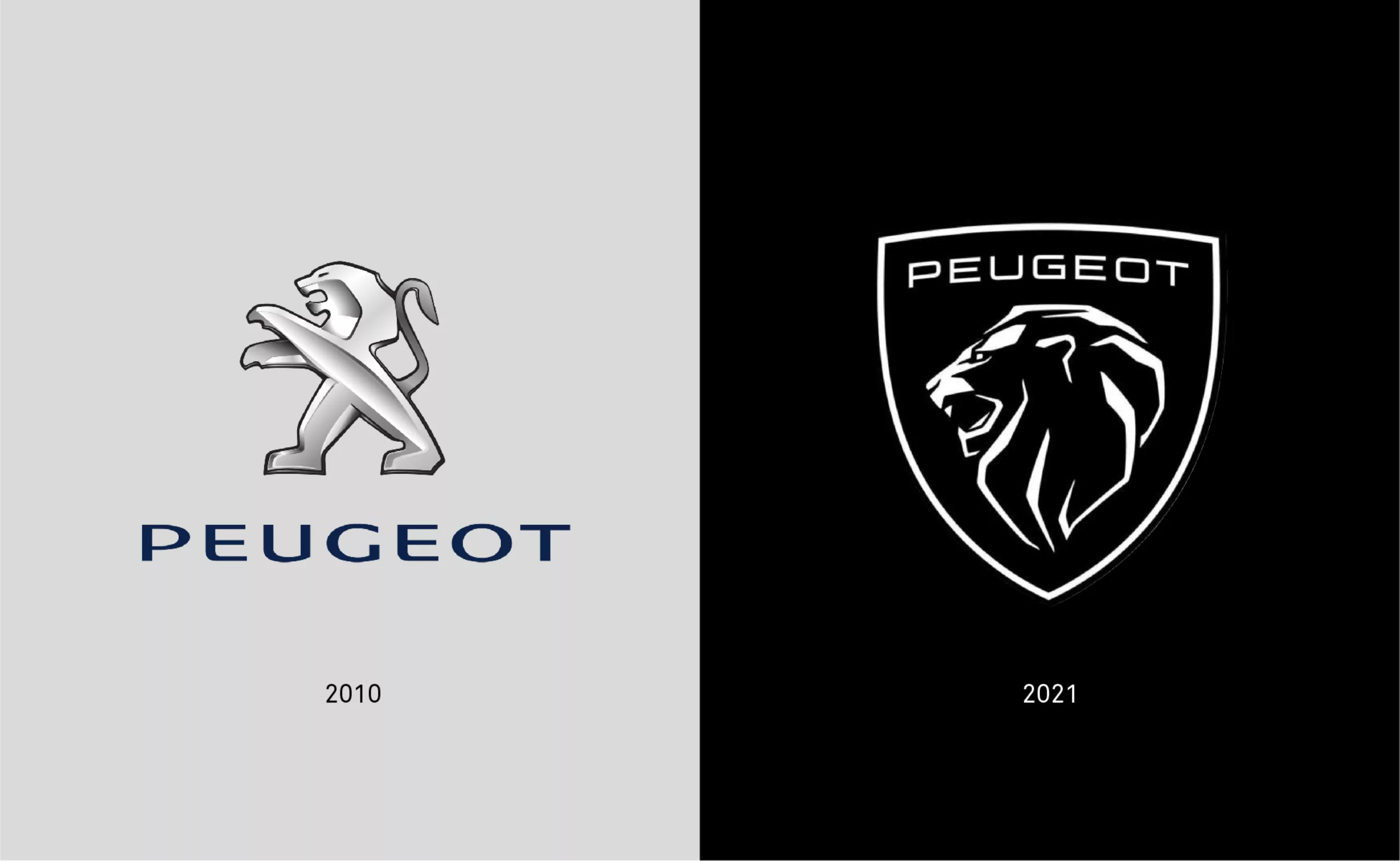
Image credit: grapheine
The Ritz-Carlton Hotel Company, a world-renowned luxury hotel brand, uses a crowned lion in its logo. The lion symbolizes power, strength, and protection, while the crown represents supreme authority, elegance, and sharp luxury. Together, they communicate that Ritz-Carlton is not just a luxury hotel but a symbol of exceptional experience, stability, and meticulous care at every level.

Image credit: cision
Another example is the airline Lion Air, whose logo features a large red winged lion symbolizing strength, speed, and agility. The lion's head is designed in a modern, stylish manner, expressing confidence and power. The 'Lion Air' name appears in a sleek italic font, reinforcing the company's modern and forward-looking approach. The red color conveys energy and enthusiasm.
Another example is the airline Lion Air, whose logo features a large red winged lion symbolizing strength, speed, and agility. The lion's head is designed in a modern, stylish manner, expressing confidence and power. The 'Lion Air' name appears in a sleek italic font, reinforcing the company's modern and forward-looking approach. The red color conveys energy and enthusiasm.
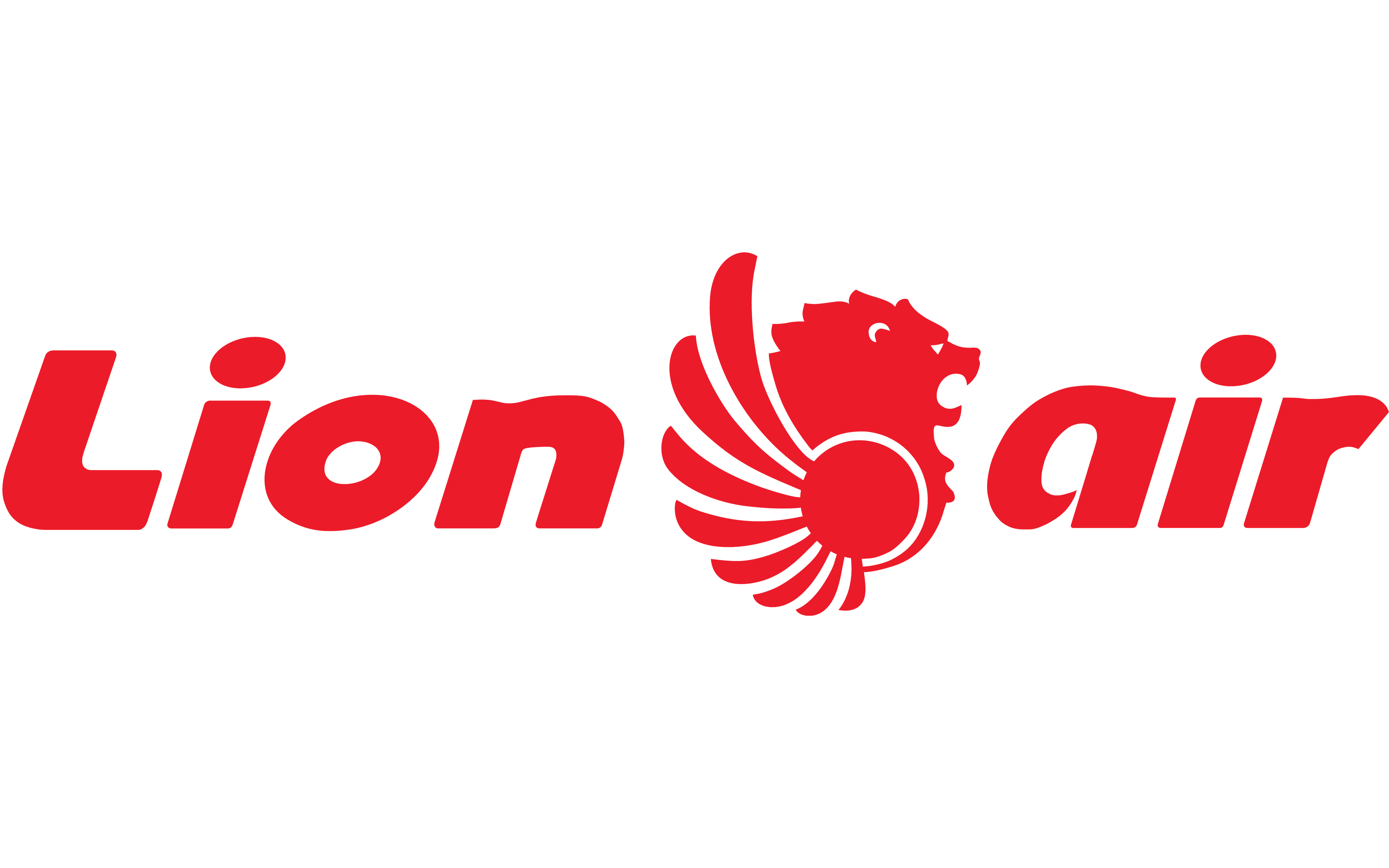
Image credit: Lion Air
Apart from symbols, semiotics is also used by incorporating lions into publicity materials, drawing on cultural images accumulated by humans over thousands of years as an 'emotional language' that communicates instantly without much explanation. The symbolic value of the lion leads to feelings of solidity, credibility, and elevated status automatically.
The 'King of the City Jungle' campaign by Mercedes-Benz S-Class, created by Framestore, is an example of using the lion to communicate comfort, tranquility, and the car's superiority.
It aims to make viewers feel that the car is not just a vehicle but a 'personal kingdom' that can transform stress, chaos, and burdens into calm and control—like a lion as 'king of the jungle' who maintains firm control and superiority inside its realm despite external turmoil.

Image credit: artstation
Another interesting ad offering a different perspective on the lion is IKEA's 'Relax into Greatness,' created by Mother London. This ad adapts the nature documentary style to communicate daily life relaxation. The core message is that 'quality rest' is vital in life, just as lions spend most of their day resting to conserve energy for important activities later. This highlights an often overlooked lion trait in a clear, relatable way.
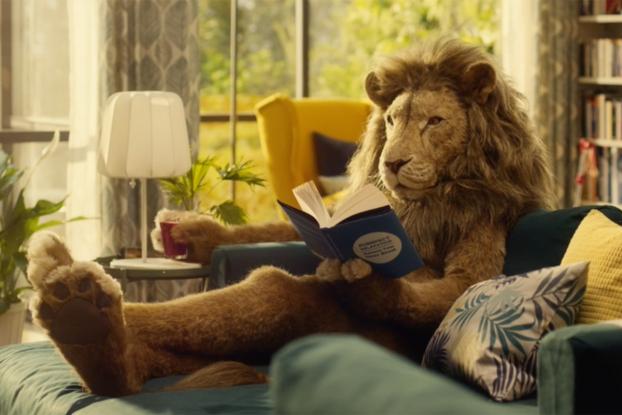
Image credit: cloudfront
Bringing the lion's personality into a brand, whether through semiotic interpretation, symbol design, or communication, explains the brand's position in people's minds. This aligns with contemporary branding ideas that a brand is not what the organization 'claims to be' but what people 'feel it is.'
When that feeling is clear enough, it is like seeing a lion standing calmly in a field, immediately recognized as the area's ruler.
Beyond semiotics and personality, another visible aspect is presenting the lion as a tangible symbol. One widely discussed example is the lion sculpture at the Narasiri Borommaratchachonnani project, embodying grandeur and commanding attention.
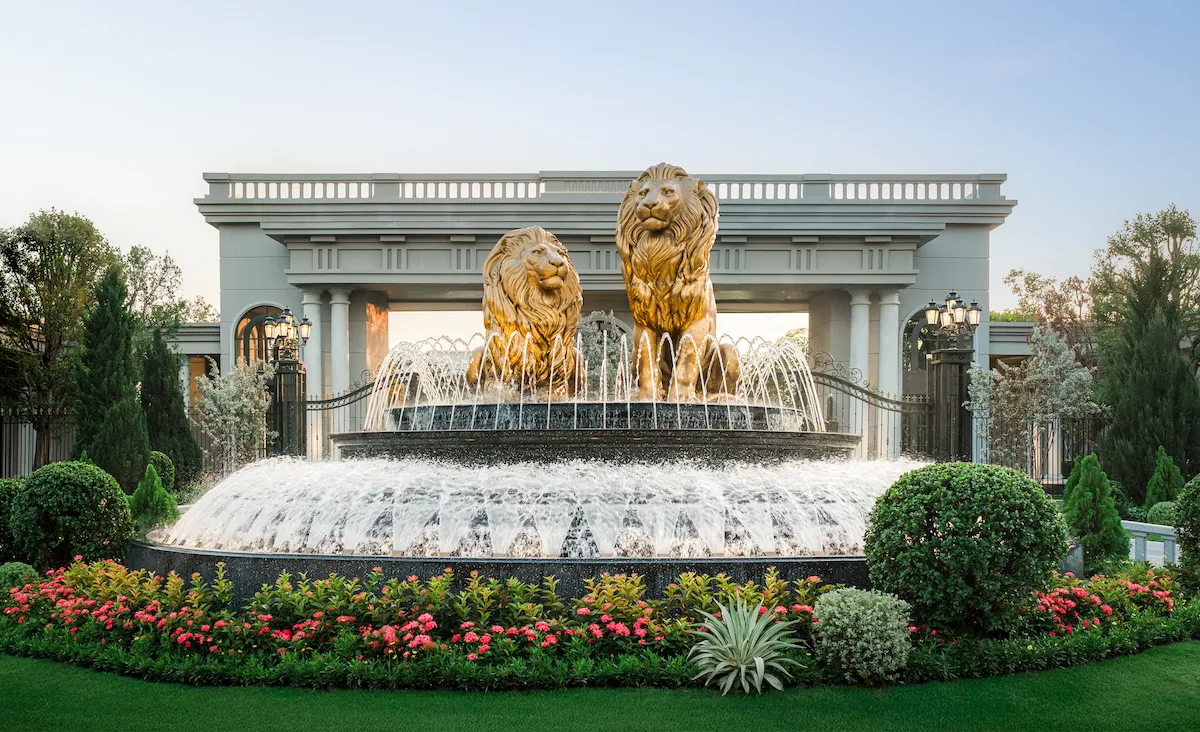
This is the story of the 'lion' not just as a symbol but expressed as a meaningful design element reflecting elegance, serving as Sentinels Leonis—guardians of grace and honor, embodying the perfect image of residence.
Crafted from brass, it naturally develops a greenish-gold 'patina' over time, presenting timeless value.
Sansiri interprets the 'paired lions' by placing them at the main entrance to communicate greatness, protect residents' peace and privacy, and warmly welcome honored guests.
The 'Narasiri Borommaratchachonnani' project thus reflects aesthetics, elegance, success, and owner identity, conveying the essence of 'SANSIRI LUXURY COLLECTION: THE FOREFRONT OF LUXURY,' meaningfully and realistically.
You can follow the behind-the-scenes concept #BehindTheDesign of the lion in the Sansiri project context athttps://www.facebook.com/sansirifamily/videos/1601790097673135/
Experience the meaning of the “lion” interpreted into real architecture through the luxury project Narasiri Borommaratchachonnani athttps://siri.ly/0U0YEI4
and all Sansiri platforms
Facebook: @SansiriPLC
Instagram: @SansiriPLC
Tiktok: @SansiriPLC
Youtube: @SansiriPLC
Because design does not start from shape but from meaning.
References