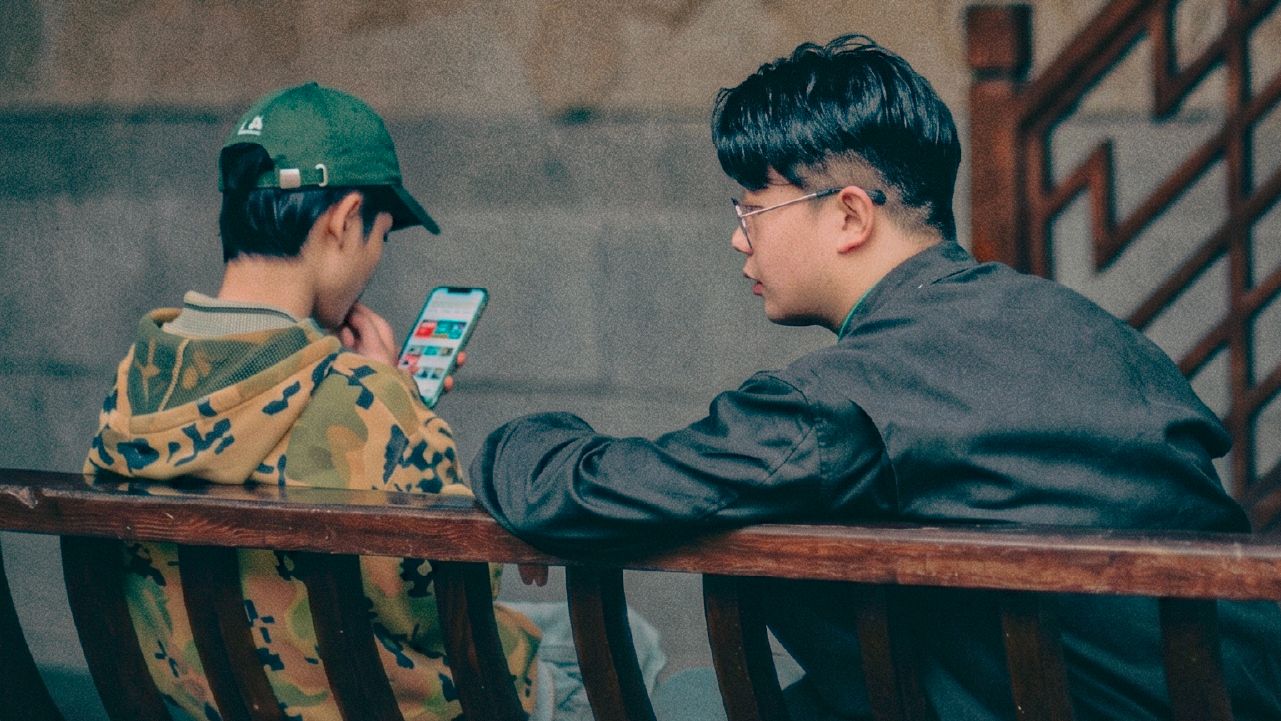
In the daily life of city dwellers, we are almost always close to people we don't know—whether on the BTS, in cafes, or even in tight elevators. Strangely, the closer we are physically, the more distant it feels, as if talking with 'strangers' is a burdensome task we want to escape from. This causes many people to feel nervous and lack confidence when starting conversations with unfamiliar people, even though it really is just a simple thing.
The main reason we hesitate to greet strangers is that most people overthink before speaking. We might assume the other person doesn’t want to talk, fear looking odd, or worry that the other party will ignore or refuse to respond to us.
But that is just our own overthinking. In reality, most people are not closed off to talking with strangers. Having someone say a small thing, like a greeting, can actually ease an awkward or quiet atmosphere (such as when stuck in a long elevator ride).
When we repeatedly think this way, we get used to not talking by default, forgetting that almost all relationships start from something very simple. No one begins with deep, complicated conversations that require overthinking at the first meeting. Every relationship goes through small moments between two people. The key is not a fixed formula on how or what to start with, but rather changing our 'mindset' before focusing on 'what to say.'
The simple principle of starting a conversation with a stranger is called Small talk—light, brief chat without a serious or deep goal. It’s just words to 'open the space' so people who aren’t close can begin interacting naturally. This can start from general topics everyone can relate to, such as the weather, location, current events, or small everyday matters.
Though it seems superficial, this kind of conversation acts as a mechanism to build familiarity, reduce tension, and gradually develop into deeper talks or closer relationships later on, using a few additional techniques:
Starting with light, brief conversations is an important chance to shift attitudes and add moments to a quiet atmosphere. It opens a small space for encountering new things—whether perspectives, stories, or just a pleasant atmosphere for a short time. When we stop pressuring ourselves with overthinking, the conversation relaxes naturally, and that relaxation helps it continue. Beginning with general topics that everyone can access—like the place, food, weather, or shared situations—makes both parties feel more equal, with less need to watch words or feel unintentionally judged.
What to avoid is the opposite of the first advice: steer clear of heavy topics like work early on. Work-related talk is important but can impact lives deeply. Some may be unemployed or struggling, and conversations about work can imply status or comparisons, potentially leading to stress and diminishing a simple atmosphere. Trying to force clever or special opening lines or speaking too fast can also cause confusing conversations that don’t continue well.
What truly brings a conversation to life isn’t being a good talker but listening in a way that makes the other person feel they aren’t speaking alone. Listening here means not just waiting to respond but genuinely focusing on what the other says before replying based on that. This helps the conversation flow better than just throwing out new questions without connection.
Another thing many unknowingly do is try to control the conversation to fit a dialogue they have in mind. Trying to steer the talk the way you want can create unnecessary tension. In contrast, speaking naturally at the right moments and letting the conversation flow naturally makes everything feel more normal.
Finally, handling moments when the conversation stalls is inevitable because talking with strangers has no fixed script. Brief silences or not knowing how to continue aren’t signs of failure—they’re normal moments. It’s okay to have a few seconds of silence. The easiest way to handle it is not to rush fixing it perfectly. You can let it be silent for a while, then pick up a new topic from the surroundings, or even end the conversation then and there without harm. Not every conversation needs to continue.

Looking at all these together, these tips don’t teach us to become great talkers but help us talk more naturally.
In the end, talking with strangers doesn’t require perfect or smooth conversations. Just listen genuinely, let the flow happen, and accept that some conversations end simply—because sometimes, those brief moments can become good memories too.
References