

Economic problems, wars, politics, the rise of AI, and daily turmoil all reinforce the fact that we are living in a volatile and hard-to-control world.
When faced with instability, people respond by seeking ways to cope, whether through survival guides or mental healing methods. As the world becomes more turbulent, many increasingly consume ‘How-to’ content, sometimes becoming deeply absorbed in it because it offers comfort—the belief that amid confusing global situations, at least we still have some control or guidance.
However, the world does not operate by fixed formulas like those in manuals, since many external factors are completely beyond our control. Sometimes, trying to force life to fit a How-to framework to fight uncertainty can actually cause heavier stress.
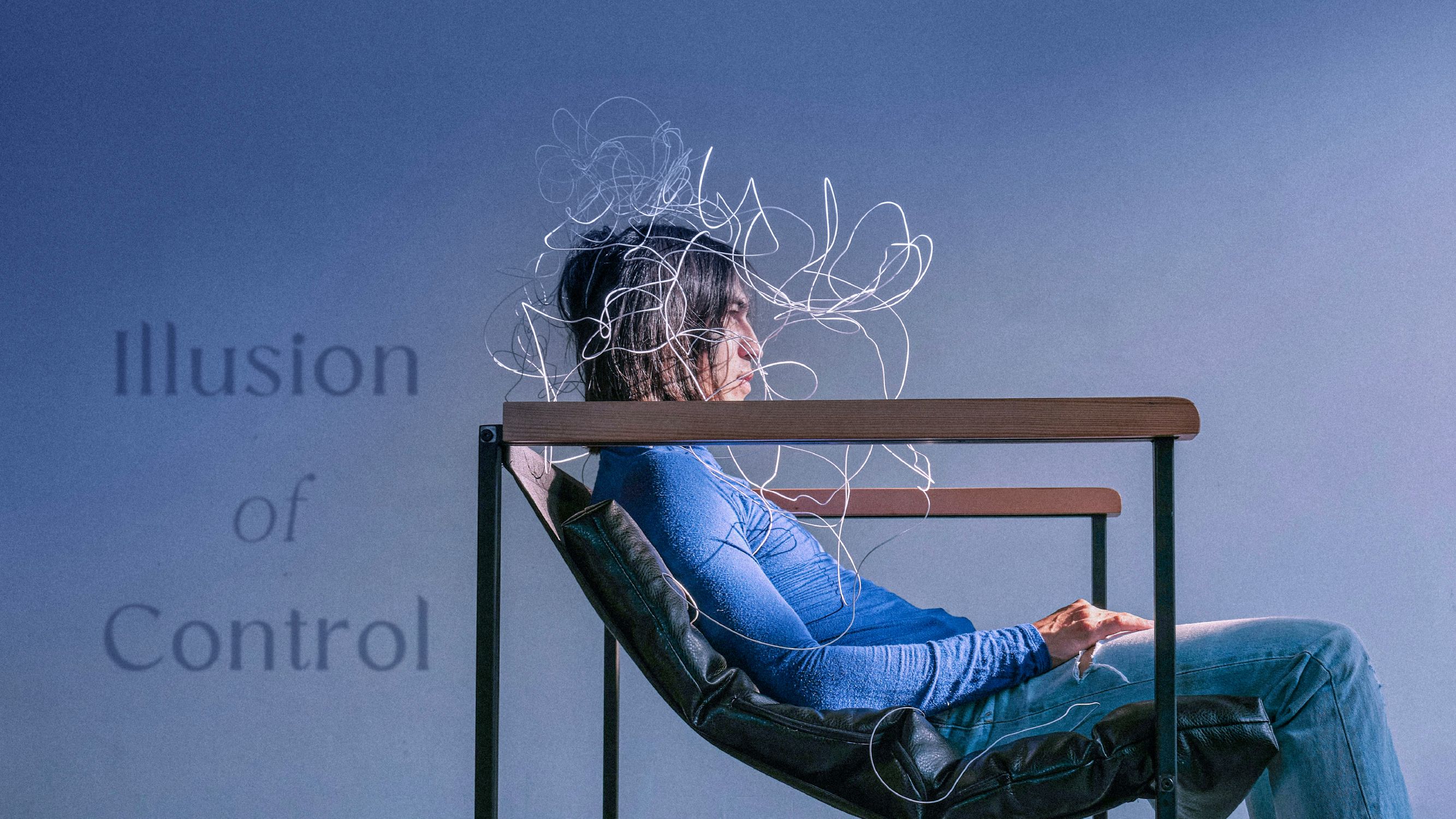
Being overly attached to survival methods in guides can trap us in a cognitive bias called the 'illusion of control,' where people tend to overestimate their ability to influence situations beyond reality.
This is seen as a confusion in cause and effect that deceives us into feeling our actions can change outcomes, even though in reality some events are uncontrollable or often just coincidences.
While feeling in control can bring comfort, it can also lead to overconfidence, causing people to justify themselves and misjudge situations or take risky decisions.
Importantly, this illusion often brings anxiety. The urge to control everything stems from insecurity because subconsciously we believe that managing everything as expected will keep us safe.
The paradox is that such thinking ties our happiness and well-being to external factors beyond our true power—others’ opinions, natural disasters, or global crises. So, the more we struggle to force the world into order, the more we get stress instead of control, especially when many things do not go as hoped.
In truth, we may only need to prepare and accept reality. Our emotional suffering arises from refusing to acknowledge that some situations are beyond our control. Accepting life’s conditions and not resisting what we cannot change is key.
This does not mean surrendering or accepting bad situations but realistically distinguishing what we can and cannot control. When we stop resisting reality, we reduce wasted energy on anger, frustration, or worry. This helps us stay mindful and see a way forward even in an unstable world.
References: